
 close
close


 LOGIN
LOGINRugby Coach Weekly is the largest digital resource for youth coaches, trusted by 15,000+ coaches, teachers and parents every month.
Get access to
- 2000+ drills and games
- 350+ ready-made practice plans
- Expert coaching advice
- Training sessions for players from U6 to U17+.
On the run feedback
Former Wallabies assistant coach Nick Scrivener tells us how he hones the skills of his players and how you can sharpen your own squad’s handling skills. He’s keen to keep the flow of training going, so he gives his feedback “on the run”.


CREATE FLOW
When I set up activities, I want them to flow. Therefore, I feedback “on the run” rather than stopping and starting too often. There needs to be a balance between continuity and information, when too much information stifles activity. This enhances a core skills session where we may want to work
to a high intensity and pump out plenty of repetition.
I know this sounds very basic but it is important the explanation and demonstration is very clear. Then players can do plenty of repetitions, with coaches throwing in feedback as players move from point to point. Afterwards, I might give them more detailed feedback as different players need different feedback at different times.
However, I always use common language and terminologies.
HANDLING FEEDBACK
In a handling drill I might say “inside hip” which is where I want the players to catch the ball, or “fingers to the sky” for catching or “fire the wrists” to pass, all with the name of the player - these will not be new terms to the players.
They will already know why we are concentrating on these skills and we may make reference to the execution of the particular skill in previous matches or training.
When I am observing an activity, I also look for trends. It is easy to pick up one-off instances. If there are new areas to address, these will be done later.
WHAT AND WHY
In any activity, you also need to make the “what” and “why” very clear too. For example, we might be focusing on the breakdown. If we were penalised a lot in the tackle area for lying on the ball in a match, we work on tackle stability/balance and positioning post tackle or rolling away if we cannot stay on our feet.
The “why” is reducing the penalty count, the “what” is executing tackles better or the rolling away post tackle.
Essentially, we want the whole squad singing from the same hymn sheet in a short period of time – and keeping things simple is the best way to achieve this.
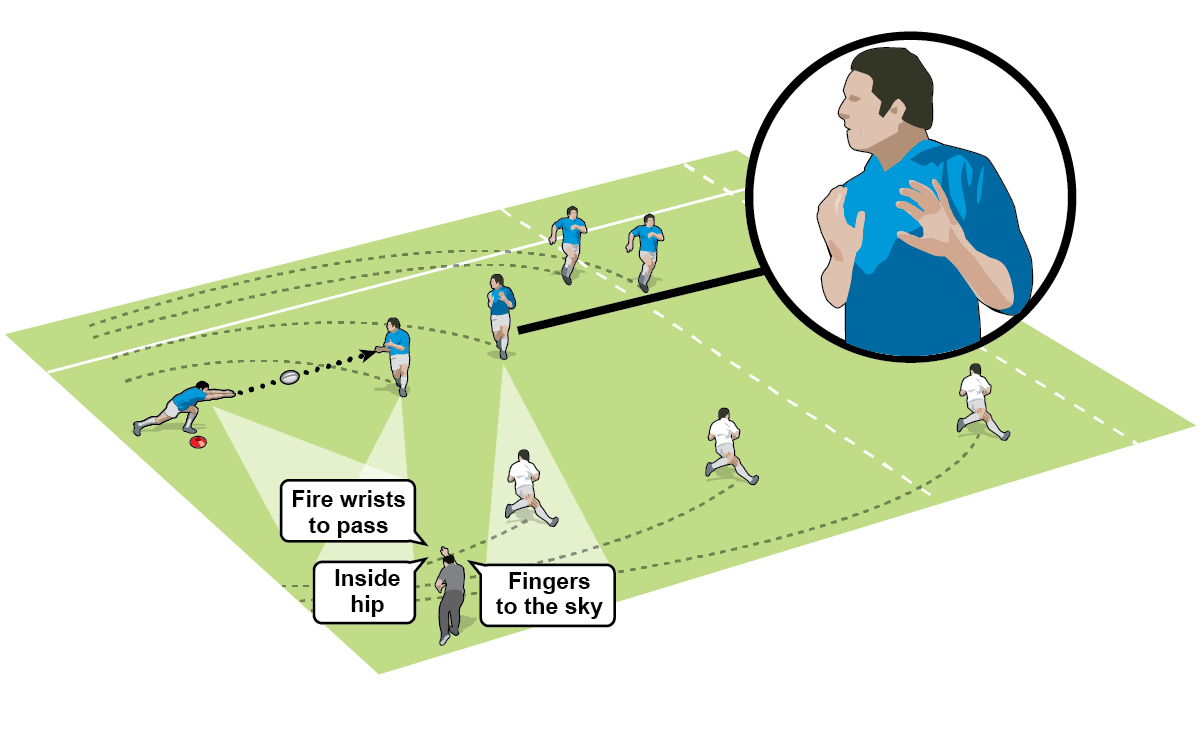
FEEDBACK ON THE RUN
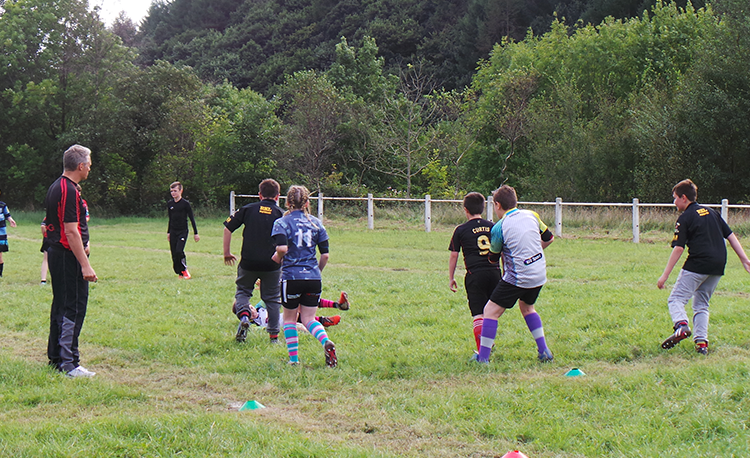
The feedback is a trigger that players will have heard before. In this exercise, “fire the wrists” means twist the wrist joints, “inside hip” is where I want players to catch the ball and “fingers to the sky” is help with the catching skill
Related Files
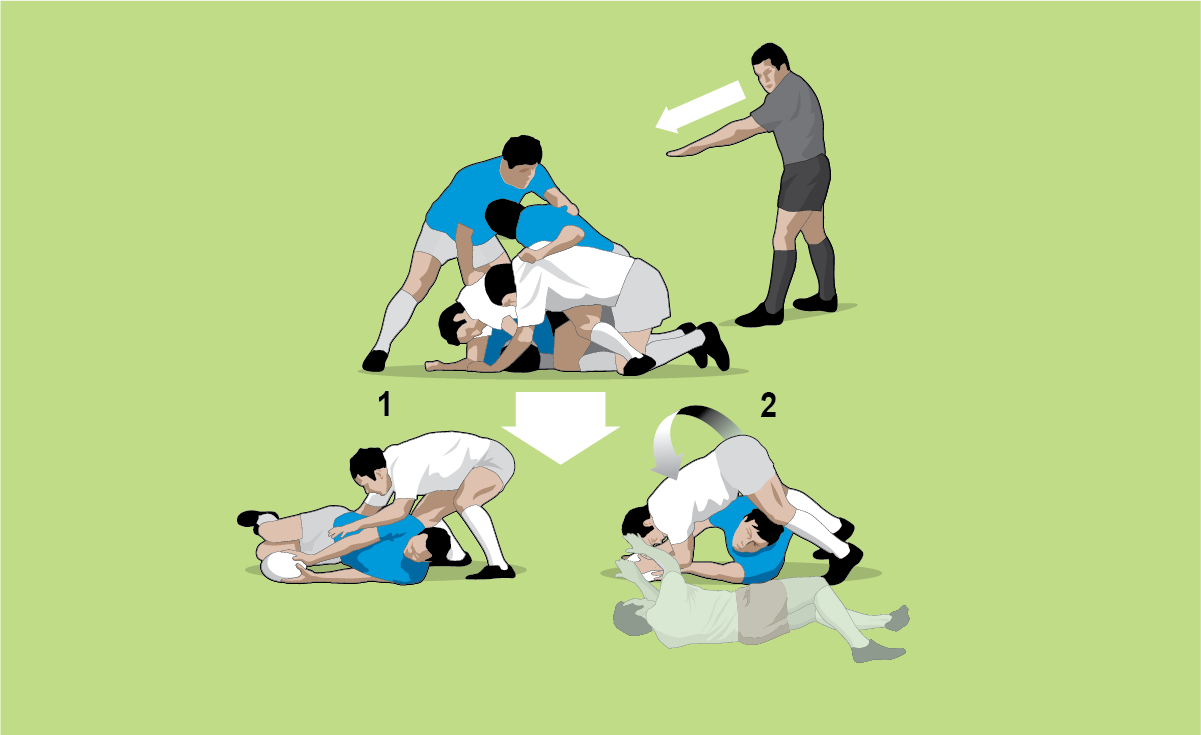
WHAT AND WHY
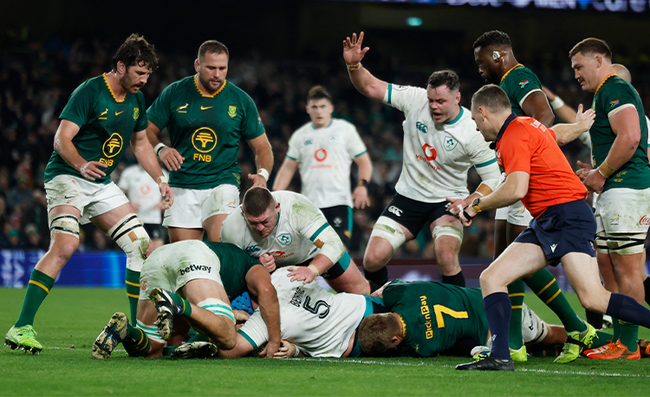
We might work on areas where we have been penalised in matches. For instance, where we picked up penalties for going off our feet, we either (1) improved our stability over the ball, or (2) if the player felt he was going off his feet, he worked on rolling away quickly

Dan Cottrell
Latest Issue
Subscribe Today
Subscribe Today

Newsletter Sign Up
Coaches Testimonials

Colin Shaw

Gary Lee Heavner
Subscribe Today
Latest Issue
Be a more effective, more successful rugby coach
In a recent survey 89% of subscribers said Rugby Coach Weekly makes them more confident, 91% said Rugby Coach Weekly makes them a more effective coach and 93% said Rugby Coach Weekly makes them more inspired.
Get Weekly Inspiration
All the latest techniques and approaches


Rugby Coach Weekly offers proven and easy to use rugby drills, coaching sessions, practice plans, small-sided games, warm-ups, training tips and advice.
We've been at the cutting edge of rugby coaching since we launched in 2005, creating resources for the grassroots youth coach, following best practice from around the world and insights from the professional game.
