
 close
close


 LOGIN
LOGINBasics for experts
All players need core skills. That can be difficult if some of the players take a long time to get the basics right. You need to keep all your players interested and that is tough. Here are some ways to deal with this. By Colin Ireland and Dan Cottrell


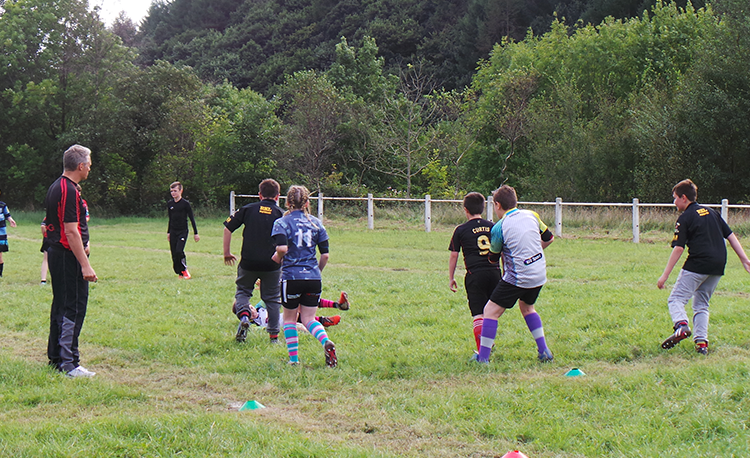
Your squad is made up of players of all abilities both athletically and in their competence in technical aspects. You want the more gifted or advanced players to keep moving forward and developing while trying to bring those less talented up to a level where they are proficient and can become more involved.
A common mistake
Often coaches will base their drill or activity on the weakest players, holding the more talented back. The talented player is not challenged and, therefore, can switch off or even regress. It is essential that you do not make this mistake and put in place a coaching environment that challenges all players regardless of their ability.
How to do this
In any primary school class, you will find they are split into three or four groups for maths and language. These groups are based on ability and let the children work at a level that challenges them. As they develop they can change groups up or down depending on how they are coping with the work.
This is an ideal method to use in your coaching sessions, so when you are covering passing and focusing on the basic techniques: Hold the ball in two hands, look where you are passing, swing it across your body, release it so it is passed at the receiver’s hands which are held up as a target.
- Lowest ability – Do this exercise in a line of four walking and passing.
- Middle ability – Do it jogging.
- Top ability – Do it running at game pace.
This is a very simple example of how groups can cover the same basic technique but still be challenged - you know your squad and can split them accordingly. If your lowest level group can pass the ball along the line at game pace, the challenge is to develop what you can do for the middle and top ability groups. So…
- Middle group do this activity faced with static tackle bags.
- Top group do it against live opposition.
Being adaptable, setting the right level of challenge and ensuring all the players are working on improving their ability will let your squad progress quickly and in time make all the players competent and comfortable in a game environment when pressure is added.
You can use the passing exercise on the next page to do this. The weakest players can just work on one type of pass while the top group can do it at pace, with defenders and longer passes.
Mix it up quickly
Don’t spend too much time with these groups split up though. The players need to know how to adapt their skills to the different abilities of the players around them. The better players should be encouraged to support the weaker players.
Therefore, when you bring the players back into mixed groups, the better players should be leading their new groups. For example, you might say to one player that they should be advising the others on what they’ve learned to do.
I run an exercise where a better group has less time to complete the tasks, with added complexity. That might be that they have to make additional passes or solve a problem.
I then mix up the groups, and we run a similar exercise, and the players have to take control of how to solve the problem with the players they’ve got. For instance, with a group of five, a tackled player might be covered by another player, with another passing two players running on a pass.
Related Files

Latest Issue
Subscribe Today
Subscribe Today

Newsletter Sign Up
Coaches Testimonials

Colin Shaw

Gary Lee Heavner
Subscribe Today
Latest Issue
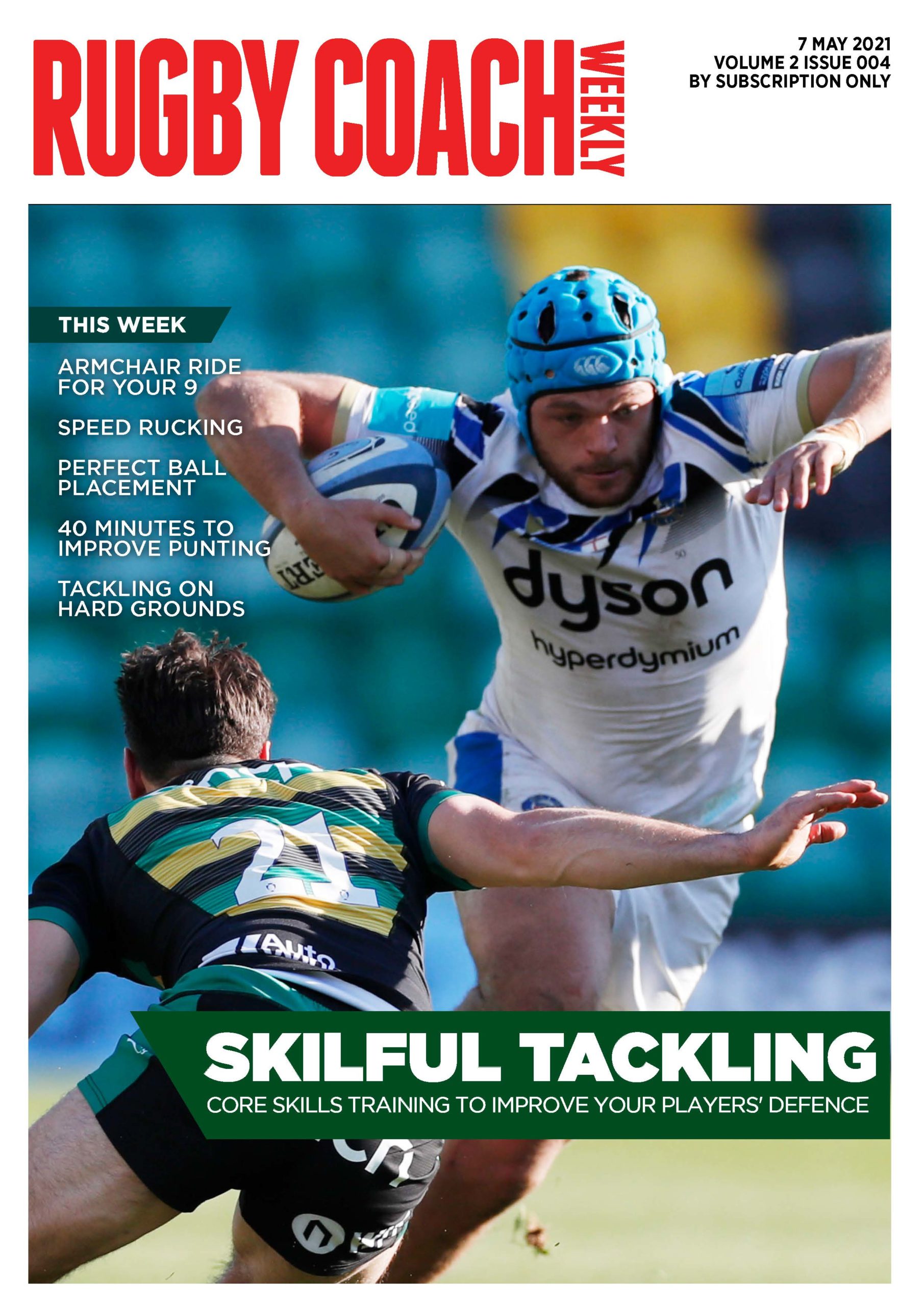
Be a more effective, more successful rugby coach
In a recent survey 89% of subscribers said Rugby Coach Weekly makes them more confident, 91% said Rugby Coach Weekly makes them a more effective coach and 93% said Rugby Coach Weekly makes them more inspired.
Get Weekly Inspiration
All the latest techniques and approaches


Rugby Coach Weekly offers proven and easy to use rugby drills, coaching sessions, practice plans, small-sided games, warm-ups, training tips and advice.
We've been at the cutting edge of rugby coaching since we launched in 2005, creating resources for the grassroots youth coach, following best practice from around the world and insights from the professional game.
