
 close
close


 LOGIN
LOGINRugby Coach Weekly is the largest digital resource for youth coaches, trusted by 15,000+ coaches, teachers and parents every month.
Get access to
- 2000+ drills and games
- 350+ ready-made practice plans
- Expert coaching advice
- Training sessions for players from U6 to U17+.
Concrete ball to crunch a good defence
Editor Dan Cottrell adds further context to two sessions.


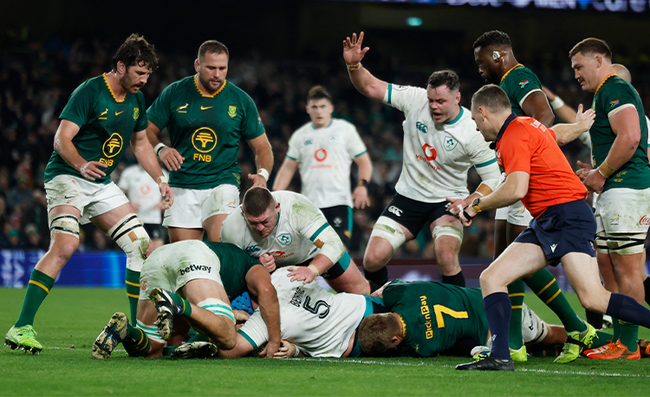
As it says on the tin, a pick-and-go has a player gather the ball from the back of a ruck and then run to the side of the ruck. It’s deemed a safe method of going forward, and to counter this, defensive organisation starts at the edge of the ruck. The very nomenclature of these ruck defenders, “guard” or “pillar” suggests strength and aggression to stop this type of attack.
That doesn’t stop attacking teams using the tactic and with some success. Not unsurprisingly, it’s much used in the last 5m of the pitch to squeeze over the try line. With the forward picking up the ball from a crouching position and driving towards the line, it takes away the loss of ground and time that a pass from the base of a ruck to a waiting player takes up.
However, as we so often see, it’s not guaranteed that the forwards will get over the try line. There’s an element of risk and reward here. Do you keep hammering away at close range where the defence is at its thickest? Or do you pass the ball away from that congestion to where the defence is thinner?
It’s possible to say that if you are 2m short of the line, what’s the difference between that and being 5m short of the line with a pass. The advantage of a pass is that it take you away from the congestion around the ruck.
That’s one for your players to work out. It brings in all the elements of the referee, conditions and perhaps the situation of the game.
If they fail, then your players might feel that they have lost some momentum. That’s why they might keep going with the safest option, even if it’s not given them much joy.
Support players key
The key to creating a strong attacking platform from a pick-and-go is the role of the next two supporting players.
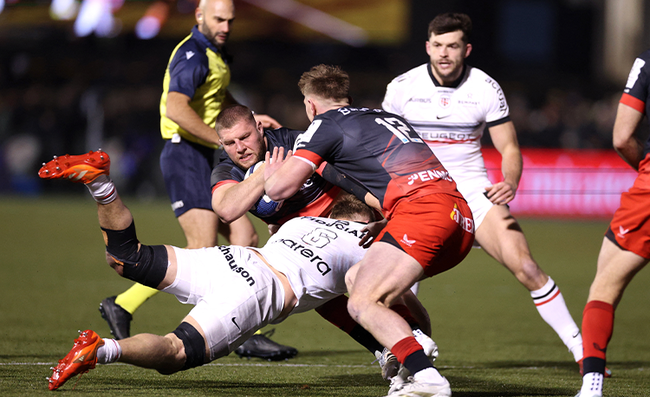
The ball carrier will drive forward, get tackled and go to ground. With all the defenders in close proximity, the next defender has a good chance to go for the ball. And two defenders make the task of the first supporting attacker even more difficult.
That’s why you need two supporting players. They must be active in the contact area, more so than in open play. Referees are acutely aware of players not presenting a positive picture over the ball. A player who flops over the ball is more likely to be penalised in this area of the pitch, especially because defenders will be going for the ball. In other areas of the pitch, with the defence more spread out and less likely to be competing, a momentary “flop” and then recover can be excused.
I’ve adopted the name “concrete” because it gives the sense of heavy duty protection around the ball.
The picker will have their supporters close by and well-aware of what’s going to happen next.
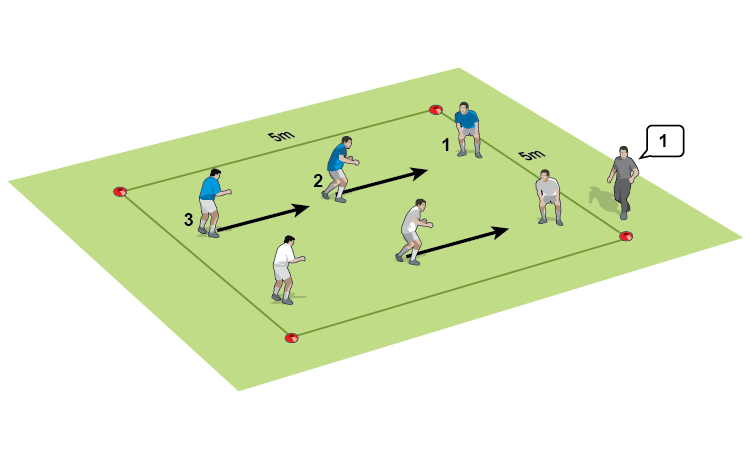
It’s a call that can be made to rally the players to the play. The better teams will know that it’s going to happen in advance and react quickly. And some players will be happier to pick up than others. Practise this with the session on page 4.
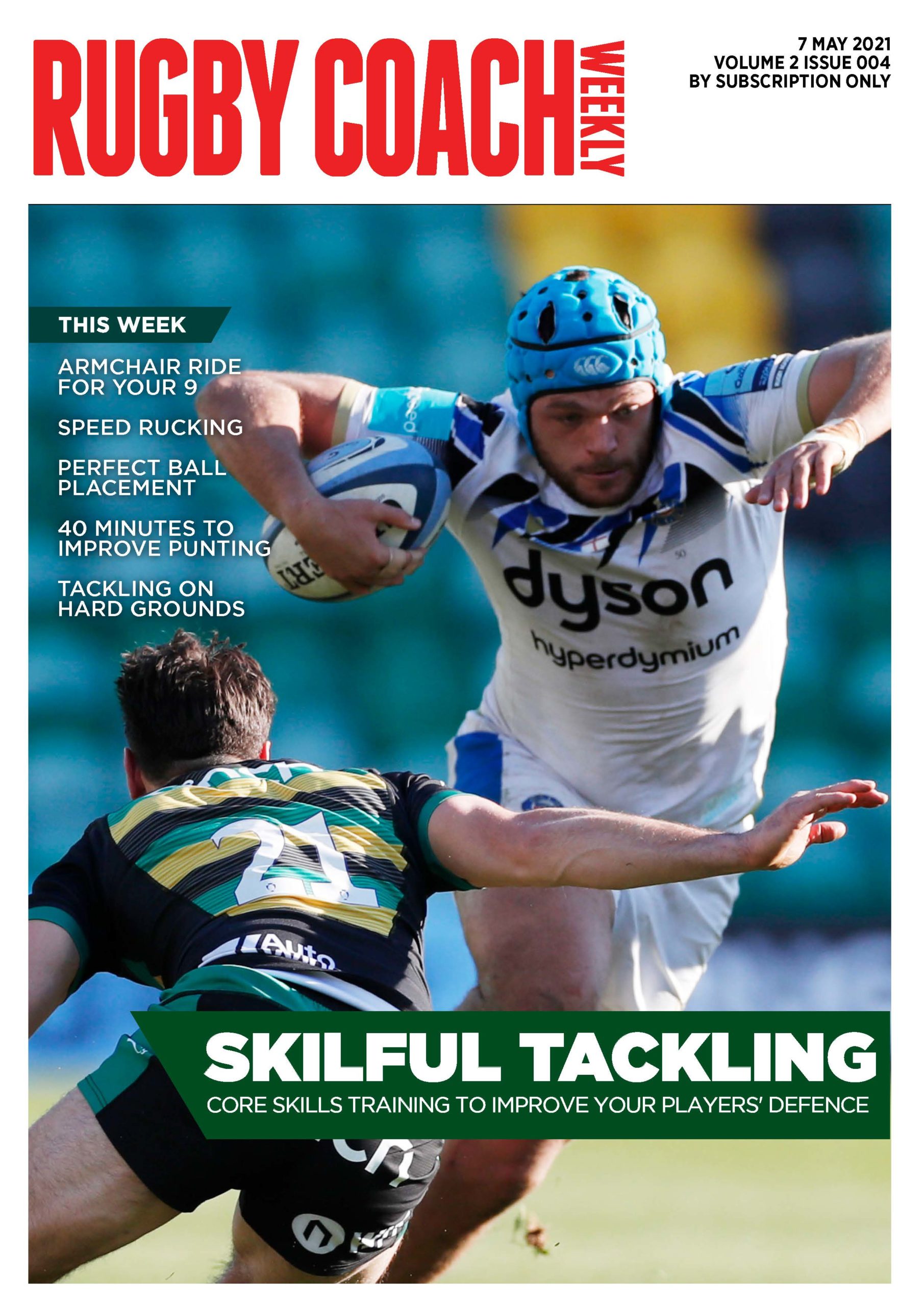
Revise and refine your tackling processes
Tackle training is an ongoing process throughout the season. We’ve got to constantly come up with ways to keep our players interested and involved, and still learning.
I am, myself, interested in the process of learning as a way of revising good techniques. Revision means making sure we haven’t forgotten things, or relearning the bits we have misremembered. That’s why on page 5. I’ve tried to create a good revision module on tackling. The final part of the session looks like a normal activity. It might be a little different from the ones your players have used before, but it’s still tackling.
The first part of the session focuses on one point. In this case, it’s getting the ear in tight to the ball carrier, which should keep the eyes open and the shoulder close to the target. I’ve used tackle tubes purposely to isolate this movement. It’s a soft landing and allows the players plenty of chance to repeat the feeling without suffering too many bumps and bruises.
I’ve found the overall effect to be quite quick in terms of transference from the focus to the whole. The players should feedback on what’s happening and whether they’ve managed to keep their ear tight into the ball carrier.
In particular, it’s been useful to develop the weaker shoulder for a player. That’s the shoulder they don’t like to tackle with.
Arriving from the weak side and then engaging with the weak shoulder doesn’t fit comfortable with their “line of sight”. That line of sight helps them get their ear in closer. Because it’s not preferred, it tends not to be practised as much. The session can help overcome that.
Related Files

Dan Cottrell
Latest Issue

Subscribe Today
Subscribe Today
Newsletter Sign Up
Coaches Testimonials

Colin Shaw

Gary Lee Heavner
Subscribe Today
Latest Issue
Be a more effective, more successful rugby coach
In a recent survey 89% of subscribers said Rugby Coach Weekly makes them more confident, 91% said Rugby Coach Weekly makes them a more effective coach and 93% said Rugby Coach Weekly makes them more inspired.
Get Weekly Inspiration
All the latest techniques and approaches


Rugby Coach Weekly offers proven and easy to use rugby drills, coaching sessions, practice plans, small-sided games, warm-ups, training tips and advice.
We've been at the cutting edge of rugby coaching since we launched in 2005, creating resources for the grassroots youth coach, following best practice from around the world and insights from the professional game.
