
 close
close


 LOGIN
LOGINRugby Coach Weekly is the largest digital resource for youth coaches, trusted by 15,000+ coaches, teachers and parents every month.
-
Coach with confidence
-
Improve your teams faster
-
Run great sessions with less effort
- Expert coaching advice from TOP Coaches
- Training sessions for players from U6 to U17+.
Climb the right mountain when you’ve just lost



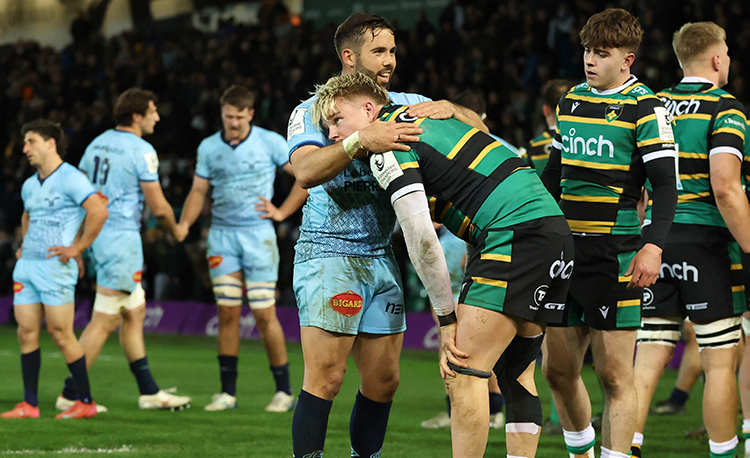
It doesn’t matter which nation you support, when your team loses, the media immediately jumps to a mass of negative conclusions. I suppose they need to sell papers, yet I find many of these so-called expert opinions over-egged and undercooked.
It’s interesting to see how these reactions reflect our own experiences of losing. Of course, we don’t have a national press or millions of fans to satisfy, but I expect any player or coach who’s lost a big game won’t be sleeping too easily on the subsequent night.
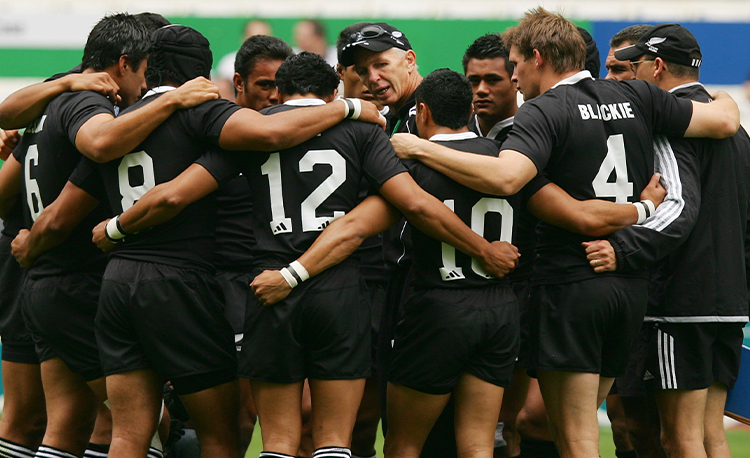
In the fug of the day-after, when emotions are still likely to be slightly frayed, we know we should treat a loss as something that’s “part of the journey”. Instead of Emotional Intelligence, I think it’s worth considering our Losing Intelligence. This is a mix of putting our minds and mental state in the right places, and then moving forward to coach (and play).
Essentially, we mustn’t pay lip service to empty phrases, like “the journey”, and “lessons learned”. We’ve got to have proper plan to implement our coaching sessions in a more effective way than previously.
That does not mean we always have to change. What we might be doing could be taking time. Our teams are always a work-in-progress, with players coming in and out of form, returning from injury or becoming injured. More of the same could be good. We have to sell that though.
We might also need to sell that idea to ourselves. Have we set out on a strategy that doesn’t suit what we want to achieve? At what point do we change our minds? It’s easy to see a change of mind as a weakness. I reckon that’s only the case if we are constantly adjusting our plans. Being prepared we admit we might be wrong shows humility. How we do it is far more important. Excuses make us sound weak. A resolve to improve is better.
A good way to approach these situations to use the philosophy of “win or learn”. I think we can learn from winning too. It’s good to remember what the real reasons for the win were too.
To learn, we should follow a process. Why not try this one. I call it “Climbing the right mountain: the ALPS”. We have a struggle ahead, so we should: Analyse why we lost, Learn from those findings, Park the loss, Start afresh.
Analysis is breaking down the loss into its component parts. It’s also connecting them. A poor performance at the breakdown might be connected to poor passing or poor set-piece ball. Learning is finding out ways to change what we do, or stick with it. Parking it, probably the hardest part, is consigning the loss to history and not talking about it again. Starting afresh is looking ahead and looking forward to training and playing. Hey, that’s why we love the game...isn’t it?

Dan Cottrell
Latest Issue
Subscribe Today
Subscribe Today


Newsletter Sign Up

Coaches Testimonials

Colin Shaw

Gary Lee Heavner
Subscribe Today
Latest Issue
Be a more effective, more successful rugby coach
In a recent survey 89% of subscribers said Rugby Coach Weekly makes them more confident, 91% said Rugby Coach Weekly makes them a more effective coach and 93% said Rugby Coach Weekly makes them more inspired.
Get Weekly Inspiration
All the latest techniques and approaches


Rugby Coach Weekly offers proven and easy to use rugby drills, coaching sessions, practice plans, small-sided games, warm-ups, training tips and advice.
We've been at the cutting edge of rugby coaching since we launched in 2005, creating resources for the grassroots youth coach, following best practice from around the world and insights from the professional game.
