
 close
close


 LOGIN
LOGINBetter questions to improve your coaching craft
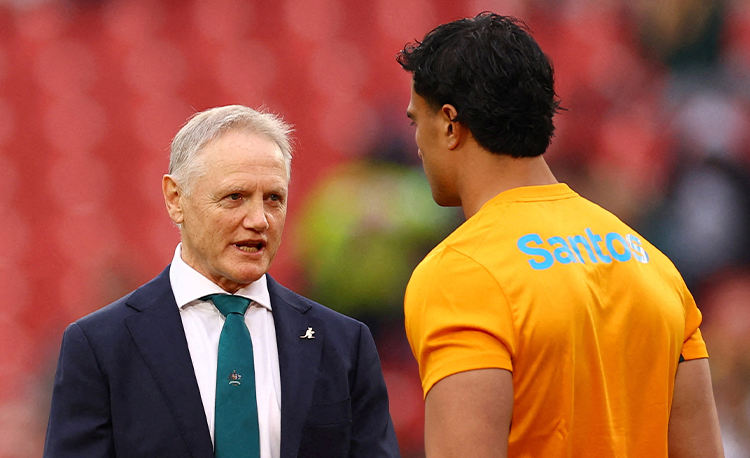
With all the new terminologies, methods and ideas (many conflicting), what are some of the more important areas of coaching craft?
Ranging from building resilient athletes, gritty players, self organising players knowing when they are showing a growth mindset to coaching methods such as game-based learning, ecological dynamics whilst acknowledging socio cultural dynamics, what one key area stands out? For me, it is understanding your athletes, their needs, motivations and how we can communicate effectively to collaboratively achieve their goals and markers.
Asking good questions
From this, I want us to consider; are we asking good questions of our athletes or being asked the right questions from our players?
I feel asking the right questions can both build relationships and close the gap through understanding athlete’s motivations, areas of importance for their development and how can the environment be structured to suit their needs. I believe sports coaches of athletes of all ages should act as pedagogues (teachers) and adopt comprehensive and holistic roles in the moral development of their athletes through their adopted and shared practices, languages, and beliefs.
If coaches are to develop knowledgeable athletes who are willing and able to make decisions, capable of performing learned tasks when under pressure and not under direct instructions, it requires collaborative transfer of knowledge or greater ownership by athletes of their development, with support from the coaches in an involved yet scaffolding style approach to their athlete’s development.
Higher order questions
Research by Kidman (2001) addressed ideas such as coaches developing player’s complex skills and tactical knowledge through encouraging abstract thought processes by asking high order questions, which require athletes to apply, analyse and synthesize information.
This transformational style of leadership has the coach steering as opposed to controlling decisions and actions. It encourages player discovery through evolutionary planning and organising of tasks whilst keeping sight of overall objectives and showing empathy to get the best from the athletes.
Coaches acting as orchestrators whilst attempting to create a successful teaching setting requires coordination of activities to scan or investigate, monitor and respond with honesty to players. This may require some transparency from coaches to offer rationale for processes. It may also require negotiation of processes with players to meet individual and collective performance measures of those being coached whilst matching evolving circumstances for learning and development against attempting to keep sight of overall objectives.
Mentors who develop
Coaches, as a knowledgeable mentor to the athlete should engage in contextual and collaborative learning relationships, with questions forming a strong part of this, to ensure optimal psychological functioning for maximal sporting performance.
They should assist players to identify problems as opposed to solving them, asking questions, offering ideas and assistance for how to think and act as opposed to offering solutions. Asking questions (like examples offered below), understanding the answers and whom they’re coming from will give you a snapshot for today yet this needs to be continually addressed and worked on, understanding people, personalities and environments shall change.
No one would have imagined or expected the past 12-14 months we have had; therefore, be willing to ask questions of yourself and others to change ideas or structures and match what your athletes or players need today whilst being reflective and flexible to change to what they need in future.
Question examples
Examples of reflective questions to get to know your athletes:
- What can I do to help you or support you?
- What would you do differently if offered a second chance?
- What is it you see? What did you notice? What caused it to happen?
- What type of coach would you like me to be for you?
- Where can I/you ask for help to enable me/you to improve a skill or technique?
- What was most useful for you today/this week/this season?
- What are you grateful for today?
- What are you planning on doing after today’s practice?
- What 2-3 emotions are you feeling right now?
- What can you accomplish that doesn’t depend on others?
- What’s the real challenge here for you?
What can we do to overcome this challenge?
Jonny is working with the University of Queensland and Rugby Australia, looking at age-grade player’s engagement and understanding what motivates, engages and drives players’ participation. He is an experienced age grade rugby coach and NLP practitioner.
Be a more effective, more successful youth rugby coach
- Win more games, without sacrificing the crucial element of fun
- Develop every player, regardless of vast differences in ability
- Run a respected, professional programme - even with a full-time job and limited time
Subscribe for full access
Or register and unlock 2 free articles,
receive our weekly newsletter, and
get a FREE coaching e-book.
Or if you are already a subscriber login for full access.
Latest Issue

Subscribe Today
Subscribe Today
Newsletter Sign Up
Coaches Testimonials

Colin Shaw

Gary Lee Heavner
Subscribe Today
Latest Issue
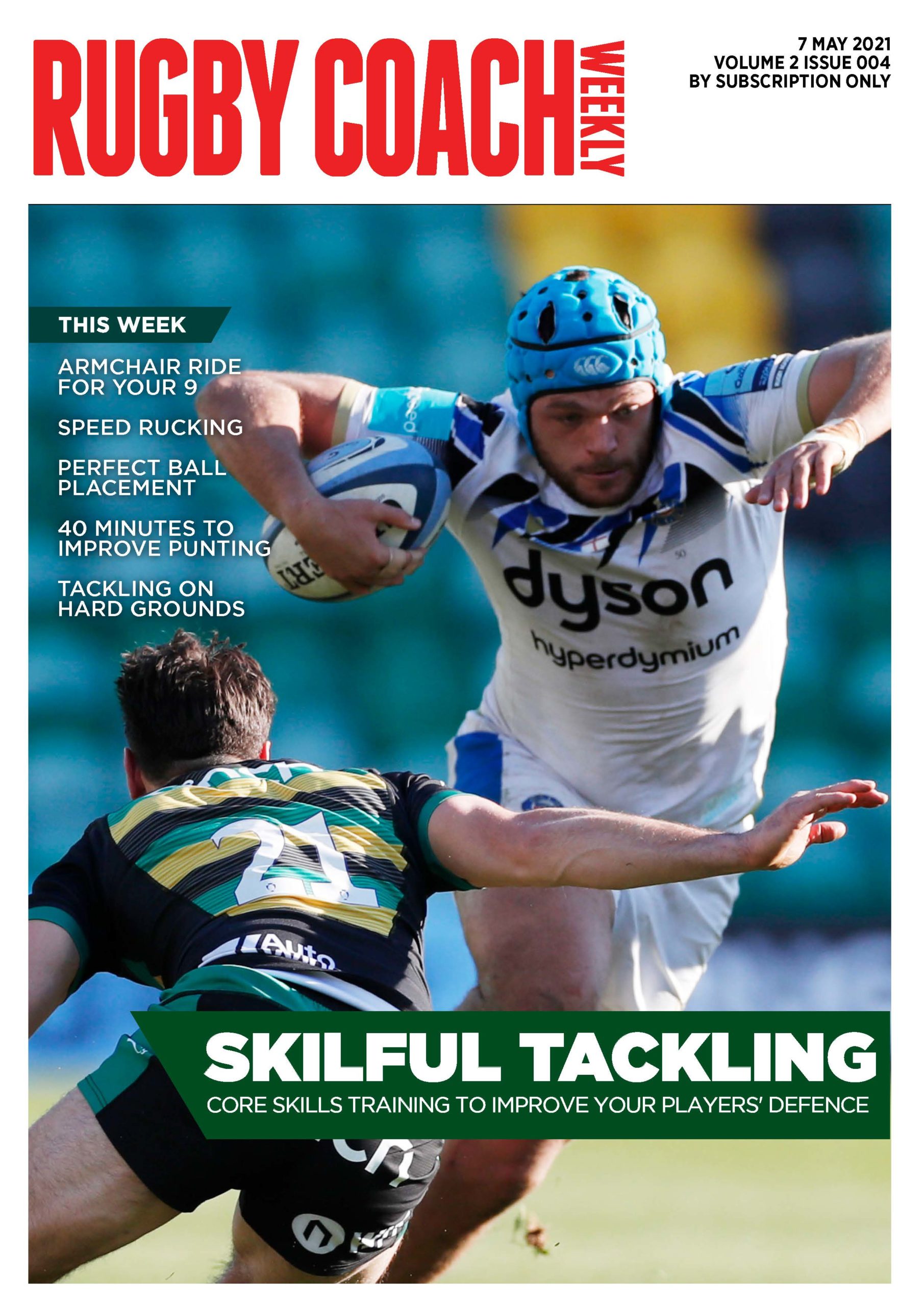
Be a more effective, more successful rugby coach
In a recent survey 89% of subscribers said Rugby Coach Weekly makes them more confident, 91% said Rugby Coach Weekly makes them a more effective coach and 93% said Rugby Coach Weekly makes them more inspired.
Get Weekly Inspiration
All the latest techniques and approaches


Rugby Coach Weekly offers proven and easy to use rugby drills, coaching sessions, practice plans, small-sided games, warm-ups, training tips and advice.
We've been at the cutting edge of rugby coaching since we launched in 2005, creating resources for the grassroots youth coach, following best practice from around the world and insights from the professional game.
