
 close
close


 LOGIN
LOGINStop creating slow ruck ball
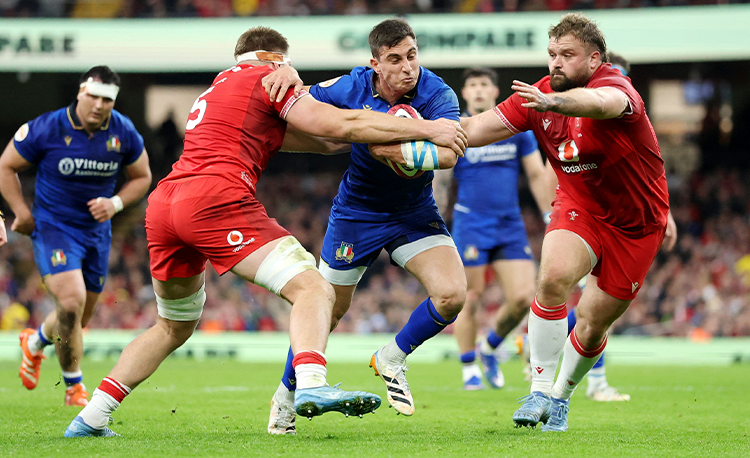
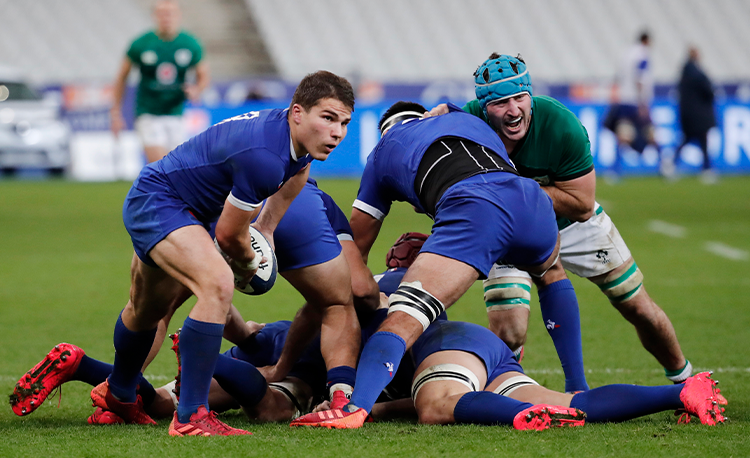
Winning rucks is not good enough unless you can generate “quick ball” from them. Quick ball means defences will not be set, allowing your players to exploit gaps.


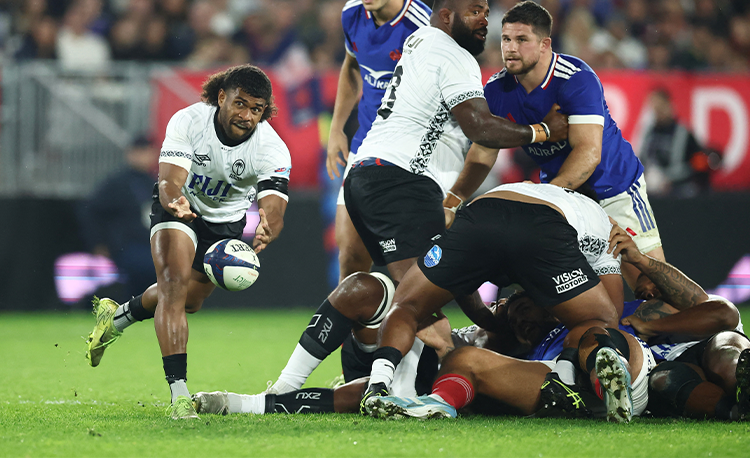
There are three elements to producing quick ball: Pre-contact, in contact and post contact.
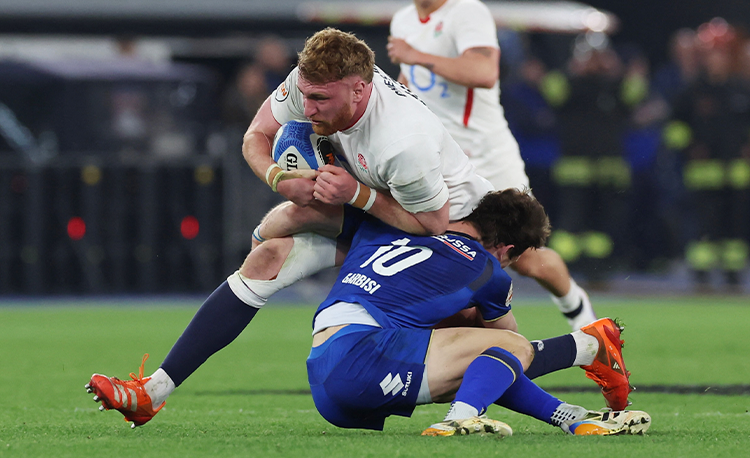
Pre-contact: Deals with the ball carrier creating the best possible situation to take contact. They will be using a combination of footwork, body angle and momentum to ensure the tackler or tacklers are less likely to win the tackle contest.
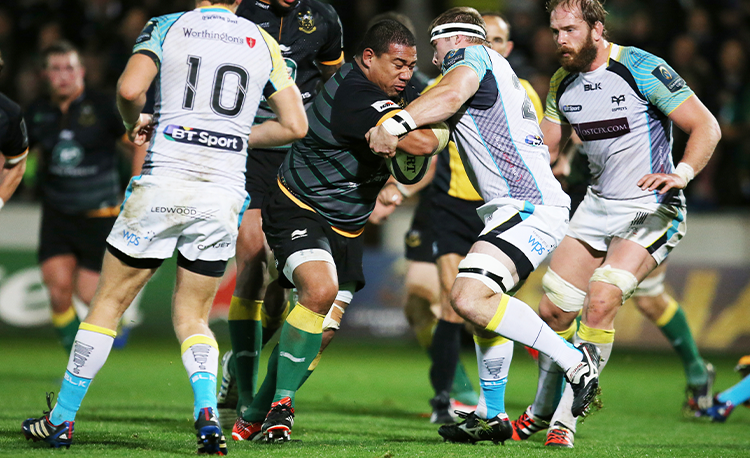
In contact: The ball carrier has to use their body shape and leg drive to continue to win the contest. They will want to present the ball to his team in the best possible way.
Post contact: The support players will need to protect the ball.
We are going to look at the pre-contact element and then using quick ball. The players need to connect the reasons together.
First, we are going to concentrate on pre contact, where you can use some of your bigger ball carriers to take short passes close to the gain line to create quick ball and also the best use of footwork to create what we call “weak shoulder” tackles.
On page 5, Sean Holley, the former Ospreys and Bristol head coach, explains how with the right footwork you can steal more yards.
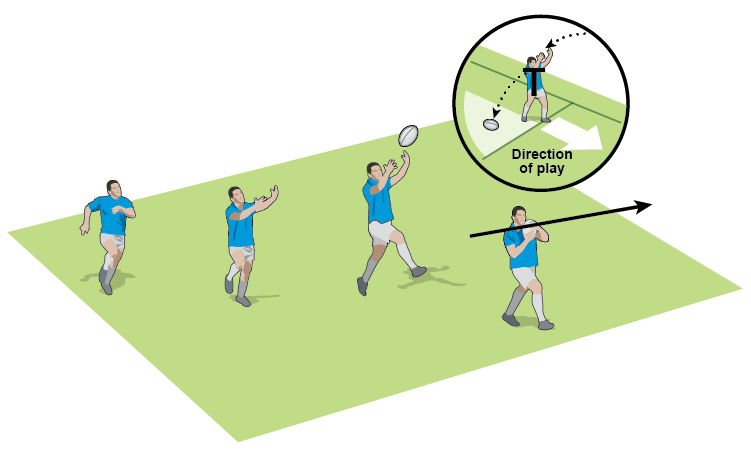
Then Russell Bolton is going to show us how to exploit “quick ball” with his maximum pace passing exercise on page 6.
Each week, you can add in an element to your training. Next week you could work on “in-contact” with ball presentation and realignment for “exploiting the gaps”.
What is “quick ball”?
At the top level, quick ball comes out of a tackle contest within one to three seconds of the ball carrier’s forward movement stopping. In that time, the defence will have had little chance to reorganise properly, potentially opening up opportunities to be exploited.
About three to four seconds is actually about right at lower levels, because even if defences are poor at being organised (inexperience or fitness), it is probably the case that the attack is not ready as quickly either.
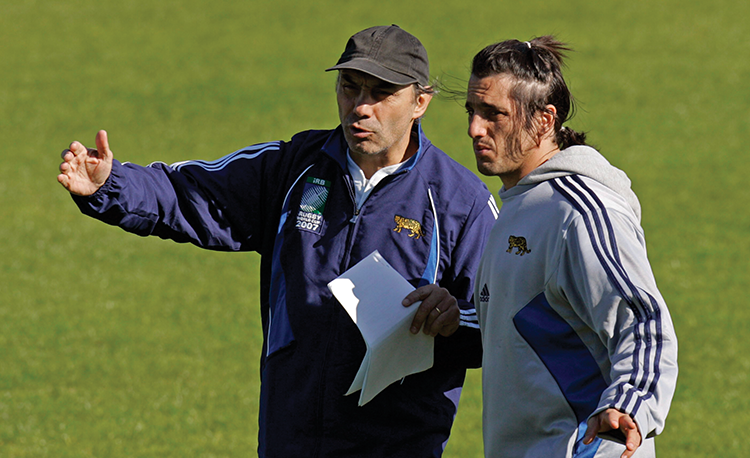
BE READY FOR QUICK BALLDarren Edwards, formerly coach at Bath, Newport Gwent Dragons, and Wales U20s, reckons that alignment is one of the most underrated attacking skills in the game at the moment.
He says that even if you generate “quick ball” you have to be in position to exploit that possession. The key lesson is to make sure you connect all the parts of play together by the end of every session.
Say to the players: “Let’s get quick ball, but let’s also be in a position to use it.” |
Related Files

Latest Issue
Subscribe Today
Subscribe Today
Newsletter Sign Up
Coaches Testimonials

Colin Shaw

Gary Lee Heavner
Subscribe Today
Latest Issue
Be a more effective, more successful rugby coach
In a recent survey 89% of subscribers said Rugby Coach Weekly makes them more confident, 91% said Rugby Coach Weekly makes them a more effective coach and 93% said Rugby Coach Weekly makes them more inspired.
Get Weekly Inspiration
All the latest techniques and approaches


Rugby Coach Weekly offers proven and easy to use rugby drills, coaching sessions, practice plans, small-sided games, warm-ups, training tips and advice.
We've been at the cutting edge of rugby coaching since we launched in 2005, creating resources for the grassroots youth coach, following best practice from around the world and insights from the professional game.
