
 close
close


 LOGIN
LOGINRugby Coach Weekly is the largest digital resource for youth coaches, trusted by 15,000+ coaches, teachers and parents every month.
-
Coach with confidence
-
Improve your teams faster
-
Run great sessions with less effort
- Expert coaching advice from TOP Coaches
- Training sessions for players from U6 to U17+.
Coach your rugby players in these five principles of continuity


Get over the gain line

Every attack aims to get over the gain line. Otherwise the defence will have the advantage because they will be moving forward.
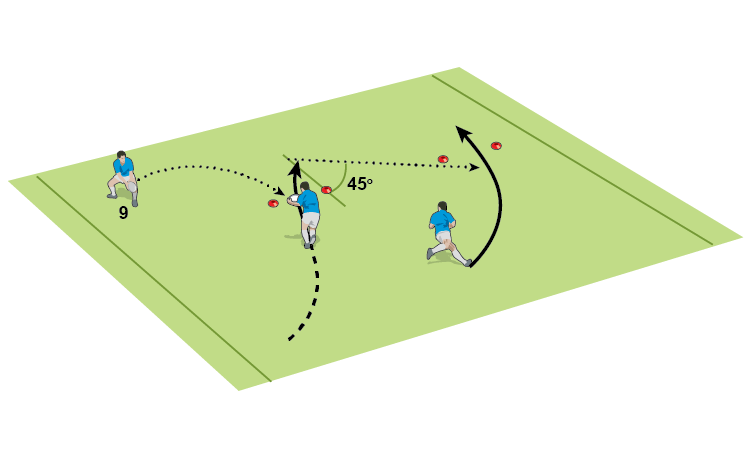
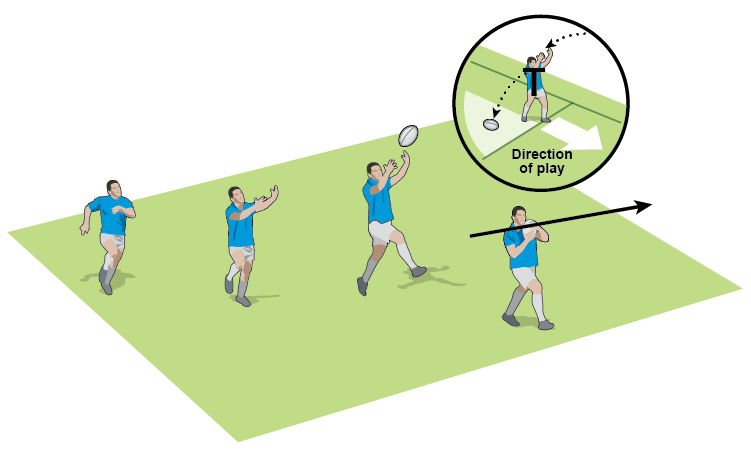
The diagram above shows what happens when a runner gets over the gain line. The strike runner receives a short pass and attacks the space between the two defenders. He stays on his feet in contact and drives forward over the gain line with short, strong steps.
Two support players arrive from deep and at pace, to drive on the ball carrier. When the ball carrier goes to ground, support players quickly secure the ball.
The defenders are now on the back foot and have to retreat. If the attacking team can secure quick ball they can go forward again while the defenders are still retreating.
Set targets
The ball carrier needs to fight to stay on his feet and drive forwards when he takes contact. This sets a target for the arriving support players to attack and forces the defenders to keep moving backwards.
Ball presentation
Presenting the ball after the tackle is crucial to continuity. It’s important your players use their core strength to place the ball with two hands far from the tackle and towards their own team.
To practise this, work your players in pairs. Get one to tackle and the other to present the ball. Then add support players who can pick and run or pick and pass to beat another defender.
Dynamic support play
Once the tackled player has presented the ball your support players need to keep the attack going and the defence moving backwards.
The support players need to drive the defenders away from the ball on the ground. Arriving support players must target one defender only and drive them from low to high, back and away from the ball.
The ball must be protected at all costs and the scrum half (9) needs to be able to pass unimpeded.
Decision making
Decision making at the breakdown is very difficult to practise and can only effectively be done through games and match-like situations in training.
Constantly question players about the decisions they have made and why. This will help them and their team mates think about what they are doing and, importantly, why.
This article is from Rugby Coach Weekly.

Dan Cottrell

Latest Issue

Subscribe Today
Subscribe Today
Newsletter Sign Up


Coaches Testimonials

Colin Shaw

Gary Lee Heavner
Subscribe Today
Latest Issue
Be a more effective, more successful rugby coach
In a recent survey 89% of subscribers said Rugby Coach Weekly makes them more confident, 91% said Rugby Coach Weekly makes them a more effective coach and 93% said Rugby Coach Weekly makes them more inspired.
Get Weekly Inspiration
All the latest techniques and approaches


Rugby Coach Weekly offers proven and easy to use rugby drills, coaching sessions, practice plans, small-sided games, warm-ups, training tips and advice.
We've been at the cutting edge of rugby coaching since we launched in 2005, creating resources for the grassroots youth coach, following best practice from around the world and insights from the professional game.
