
 close
close


 LOGIN
LOGINThree rugby kicking tactics to win more games

Quite often teams leave the kicking game to chance and the impulse of the fly half. Here are some simple rugby coaching tactics you can easily apply to your kicking game which will immediately and positively impact on the way your team plays.
1. Kicking for pressure
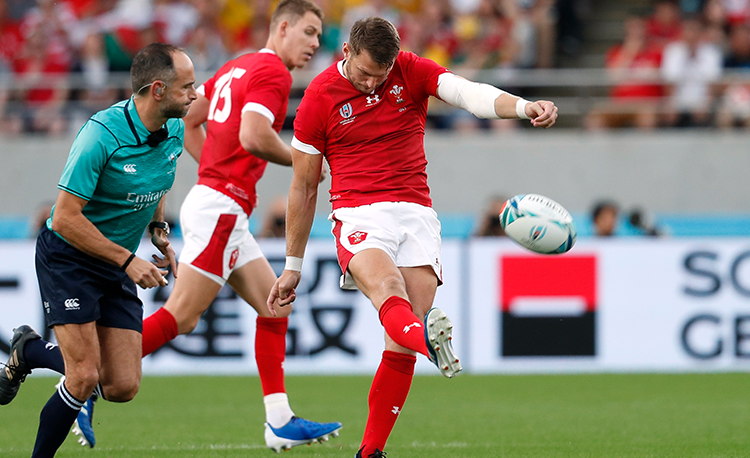
You can use the high ball and the "wiper kick" to apply pressure on your opponent. The idea is to make their defence work hard whether to catch or gather, then force them to return the ball to you, and by doing so put your team in a better position.
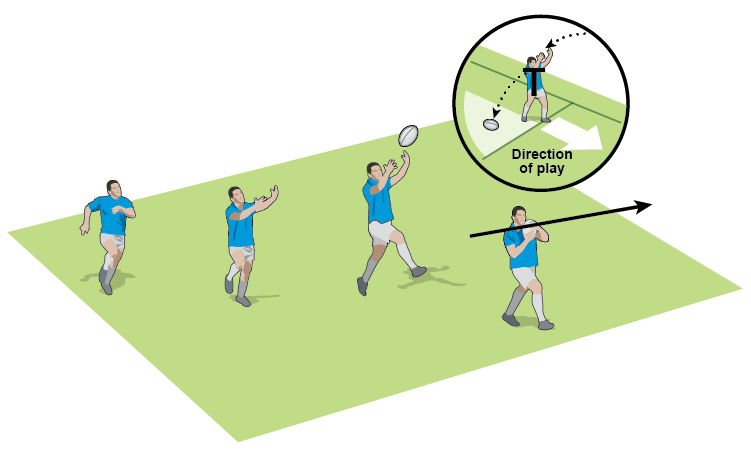
The high ball: the challenge is to get your chaser to meet the ball and their catcher at the same time. Your chaser can then either win the ball (with the catch or in the contact), force an error (such as a knock on or a dropped ball), force a ruck or maul, or more likely force the defenders to quickly kick away the ball, probably into touch.
The wiper kick: this is a diagonal kick away from the opposing forwards. This rugby skill is used to drag your opponents around the pitch. Ronan O'Gara and David Skrela used this tactic well during the 2007 Six Nations tournament.
Mixing up these two kicks can push your opponent into defending deeper. This can create gaps in their defensive line, particularly since their wingers and full back may have to track back in defence.
2. Kicking for position
The aim of this rugby tactic is to get your team to places on the pitch where you want to be. Kicks to the corners are a good way of putting pressure on the opposition and forcing a better position for your team.
The challenge of kicking for position is either to get the ball to roll into touch, or force your opponent to field the ball (and then possibly give away a lineout as they clear the danger). This tactic requires chasers, but also players who can track back to field any return kicks. Usually teams only kick for position in the opponent's half.
3. Kicking for disruption
Chip kicks, grubber kicks and cross kicks are ways of "kicking over" your opponent’s defence with the aim of giving yourself an excellent chance of retrieving the ball. These rugby skills work most effectively when your opponent’s defensive line has been difficult to break down and you want to create some forward momentum.
Click here to view a clip of cross kick from the Crusaders v. Stormers game in Cape Town, 29 February 2008. After a classy build up, Dan Carter's cross kick puts Sean Maitland in at the corner. There's also another clip to show that it's not just for the professionals.
Which kicking tactic is best for you?
Most sides will decide on the type of game they will play before or early on in the season. They will then play to this style throughout the season. This decision may, or may not, involve the type of kicking game they will play in every game.
If you are able to, try to evaluate the conditions, your side and the opposition on match day before finalising your kicking game plan. Then stick to it. Your chasers and kickers will then know their roles, and the forwards especially will understand where they will need to run. If you must change your plans, try to do so at half time when you re-brief your players.
To benefit fully from possession your team needs to score more tries. My best selling 50 Great Backs Moves is a unique manual of try-scoring tactics and ways to coach them.
Be a more effective, more successful youth rugby coach
- Win more games, without sacrificing the crucial element of fun
- Develop every player, regardless of vast differences in ability
- Run a respected, professional programme - even with a full-time job and limited time
Subscribe for full access
Or register and unlock 2 free articles,
receive our weekly newsletter, and
get a FREE coaching e-book.
Or if you are already a subscriber login for full access.

Dan Cottrell
Latest Issue

Subscribe Today
Subscribe Today
Newsletter Sign Up

Coaches Testimonials

Colin Shaw

Gary Lee Heavner
Subscribe Today
Latest Issue
Be a more effective, more successful rugby coach
In a recent survey 89% of subscribers said Rugby Coach Weekly makes them more confident, 91% said Rugby Coach Weekly makes them a more effective coach and 93% said Rugby Coach Weekly makes them more inspired.
Get Weekly Inspiration
All the latest techniques and approaches


Rugby Coach Weekly offers proven and easy to use rugby drills, coaching sessions, practice plans, small-sided games, warm-ups, training tips and advice.
We've been at the cutting edge of rugby coaching since we launched in 2005, creating resources for the grassroots youth coach, following best practice from around the world and insights from the professional game.
