
 close
close


 LOGIN
LOGINTop tips for recalling your players' names
Coaching a new team? Or perhaps have two sets of twins turn up that you can’t tell apart? Here’s some great advice so you can commit their names to memory.


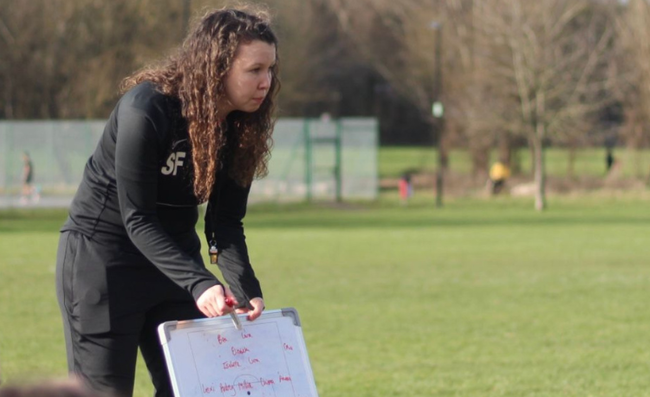
Remembering the names of our players might sound pretty basic, but it’s easy to forget them, or get them mixed up, especially if you are in the early stages of getting to know them.
Throw in the fact that you are working with a large group of people – some of whom may have the same, or similar, names, or may look alike – and that you will be using their name quickly when they are running around a field in front of you...well, you can see why it might get difficult!
But knowing someone’s name is important; it’s a mark of respect. Correctly recalling the names of your players will show a level of care for, and interest in, them, which will help you to build a rapport with them.
Here are some tips to help you remember...
Ask them
We don’t just mean when you first meet them, but also if you forget.
It is far better to sort the issue out quickly than go for a long time calling them the wrong name, or not calling them anything.
If you are some time in to coaching them, and feel it might be a bit awkward asking them, consider asking one of their team-mates, or listen to players using their name.
Make sure you are listening to the pronunciation of their name, too. And don’t be afraid to ask for clarification to make sure you get it right.
Use their name regularly
Repetition helps reinforce memory. Using someone’s name also shows an element of care. So it’s a win-win!
Make sure to address your players by their names when you are chatting to them.
The more you say their names, the more ingrained in your mind they will be.
See their names written down
It can really help to not only hear a name, but see it, too.
Review your team register before training and your teamsheet before matchday, and consider writing player names on your training plan.
Make name associations
Do your players have any distinguishing features that can help you to identify them?
Do they wear orange boots, for example? Or maybe they always come to training in a particular shirt or jacket?
It can be helpful to put their name into a sentence alongside these things to help you remember them – for example: "Rob wears orange boots", or "Katie supports Bath".
Of course, the more you get to know them, the more you can associate other things with them, too – then it becomes "Jay plays the guitar", for example, which is even more distinguishing.
Think about positions and units, too – where do your players usually play? If you can begin to picture them in position on the field, it can help you to link them to their name.
Encourage players to use names
We should ask players to be specific and use each other’s names during practices and on matchdays.
This will not only support them in learning how to better communicate, but also give you, and them, a chance to hear the names more regularly and keep them in mind.
Apologise if you get it wrong
There’s no doubt about it, you will get it wrong sometimes.
Encourage the players to tell you if you do get it wrong – that will help them to know you are committed to knowing their names.
Once you know you’ve got it wrong, thank them for telling you and apologise, explaining that it can be a lot to remember everyone’s name at times, especially during a busy session or on a matchday.
Related Files

Rugby Coach Weekly
Latest Issue

Subscribe Today
Subscribe Today




Newsletter Sign Up


Coaches Testimonials

Gerald Kearney, Downtown Las Vegas Soccer Club

Paul Butler, Florida, USA

Rick Shields, Springboro, USA

Tony Green, Pierrefonds Titans, Quebec, Canada
Subscribe Today
Latest Issue

Be a more effective, more successful rugby coach
In a recent survey 89% of subscribers said Rugby Coach Weekly makes them more confident, 91% said Rugby Coach Weekly makes them a more effective coach and 93% said Rugby Coach Weekly makes them more inspired.
Get Weekly Inspiration
All the latest techniques and approaches


Rugby Coach Weekly offers proven and easy to use rugby drills, coaching sessions, practice plans, small-sided games, warm-ups, training tips and advice.
We've been at the cutting edge of rugby coaching since we launched in 2005, creating resources for the grassroots youth coach, following best practice from around the world and insights from the professional game.
