
 close
close


 LOGIN
LOGINScalable session success
Learn how to design rugby sessions that adapt to any group size while keeping challenge, clarity, and purpose.


Why scalable sessions matter
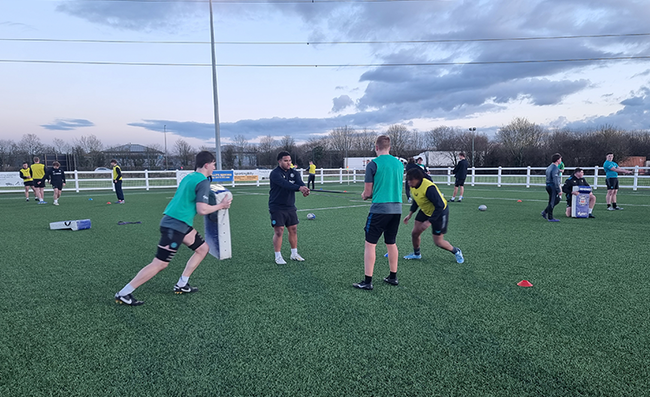
Creating a scalable coaching session is one of the most useful skills a grassroots coach can develop. This is because you might find yourself with half the number of players you expected, or half the coaches.
You need to adapt quickly, maintain flow, and keep learning at the centre of the session. Scalable sessions allow you to do exactly that.
Start with intention, not drills
A scalable session begins with a clear intention. What do you want players to explore?
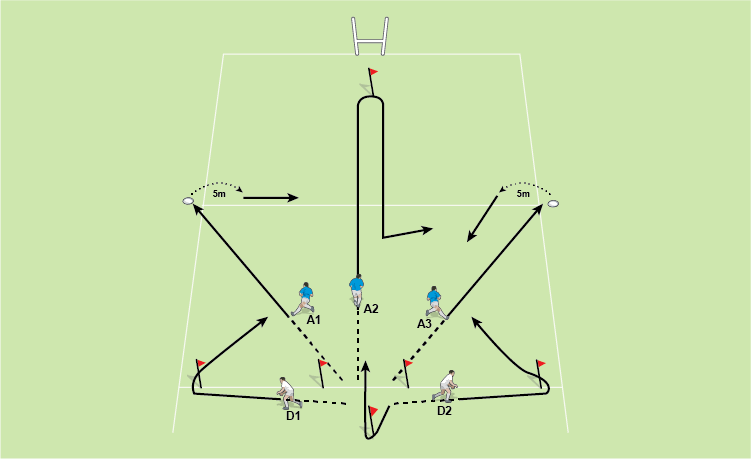
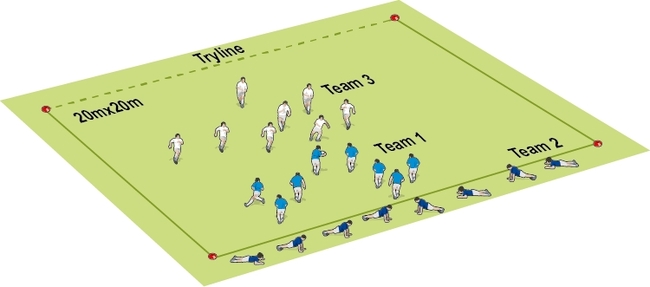
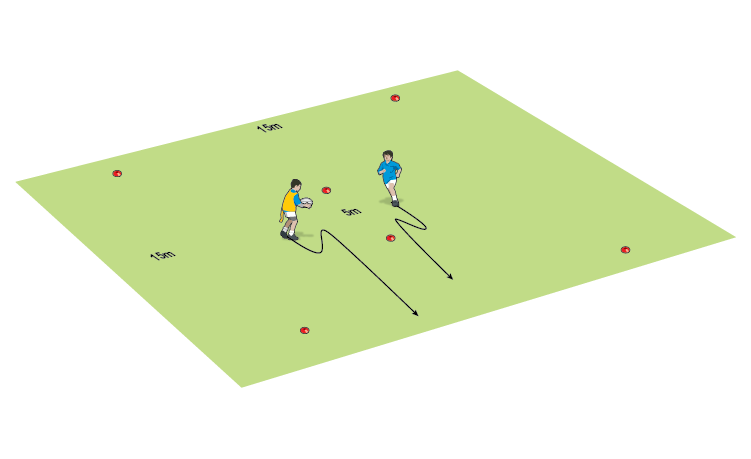
If the focus is drawing a defender and passing, the activity should naturally create those moments regardless of whether three players or thirty turn up. You might use a simple three-lane channel game. With low numbers, run one lane. With higher numbers, open more lanes or stagger groups.
The key is that the learning intention never changes, even if the size of the activity does.
Design activities with flexible roles
Build activities where players can step in or out without slowing the learning.
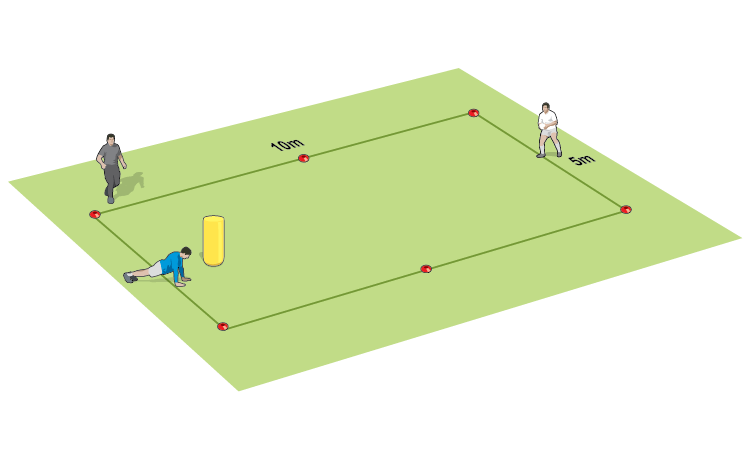
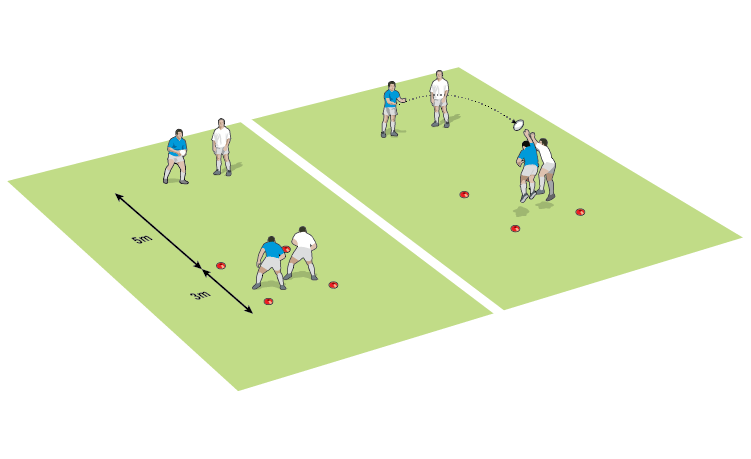
In a 3v2 or 4v3 game, the spare player can become a feeder, floating defender, or support runner. With fewer players, scale down to 2v1. With more players, run parallel pitches or rotate roles quickly.
You do not need new drills every week. Players learn through repetition and subtle variation, not constant novelty.
Use plug-ins to stay adaptable
Plug-ins are simple, adaptable activities you can drop into any session at any moment. They give you immediate flexibility when numbers change, a drill breaks down, or a game needs a reset.
A good plug-in works with any player count. For example, a 2v1 wave, a three-player passing weave, or a small decision-making game. These activities fill space, keep players active, and continue the learning theme without slowing momentum.
Plug-ins act like a coach’s toolkit. You move from one to the next without stopping the session, adjusting only the size of the area or number of players involved. They help you stay calm, keep clarity, and maintain flow even when the session takes an unexpected turn.
Keep it simple and repeatable
If an activity has too many rules or moving parts, it cannot scale. Simplicity is your friend.
Stick to one intention and one or two conditions. Allow the game to create the decisions. Build activities with natural transitions so you can move between them without stopping the session.
Scalable coaching is as much a mindset as a method. You plan for uncertainty. You design sessions that work with whatever numbers arrive. The players feel continuity and you remain in control without needing
to control everything.
Three takeaways
Two tips on what to do next
|
Related Files

Dan Cottrell
Latest Issue

Subscribe Today
Subscribe Today
Newsletter Sign Up
Coaches Testimonials

Gerald Kearney, Downtown Las Vegas Soccer Club

Paul Butler, Florida, USA

Rick Shields, Springboro, USA

Tony Green, Pierrefonds Titans, Quebec, Canada
Subscribe Today
Latest Issue

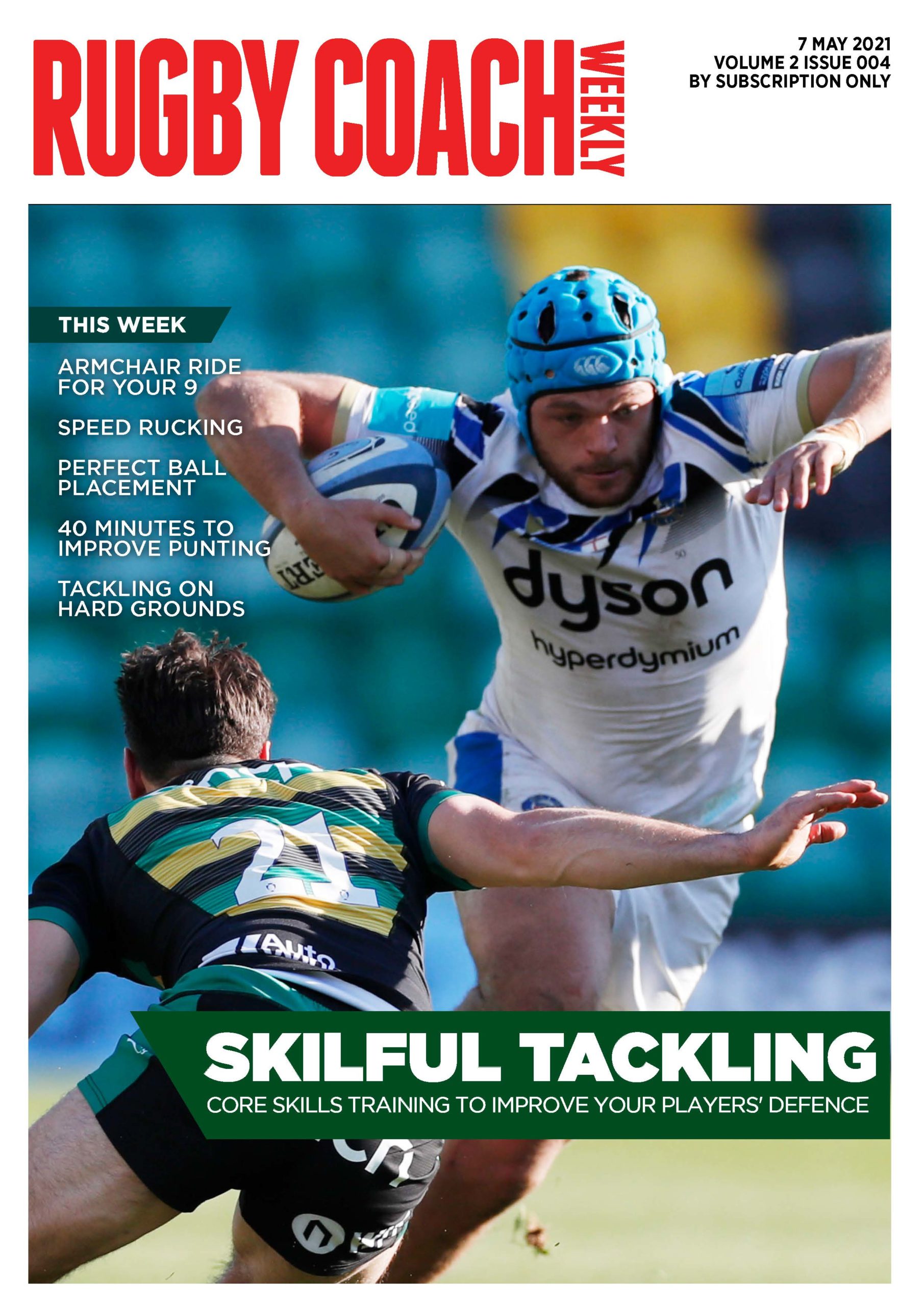
Be a more effective, more successful rugby coach
In a recent survey 89% of subscribers said Rugby Coach Weekly makes them more confident, 91% said Rugby Coach Weekly makes them a more effective coach and 93% said Rugby Coach Weekly makes them more inspired.
Get Weekly Inspiration
All the latest techniques and approaches


Rugby Coach Weekly offers proven and easy to use rugby drills, coaching sessions, practice plans, small-sided games, warm-ups, training tips and advice.
We've been at the cutting edge of rugby coaching since we launched in 2005, creating resources for the grassroots youth coach, following best practice from around the world and insights from the professional game.
