
 close
close


 LOGIN
LOGINCreativity at play: Bridge passes
Editor Dan Cottrell adds further context to two sessions.


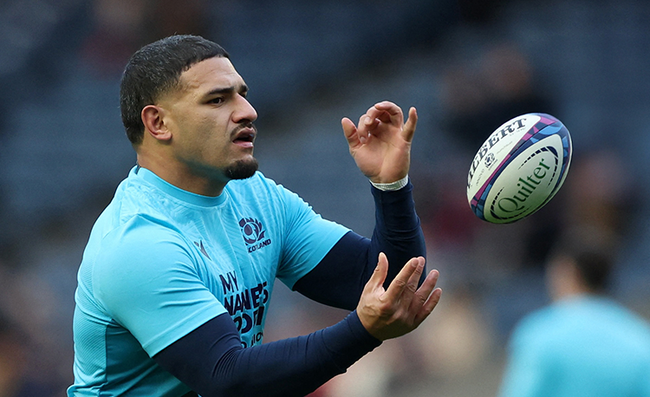
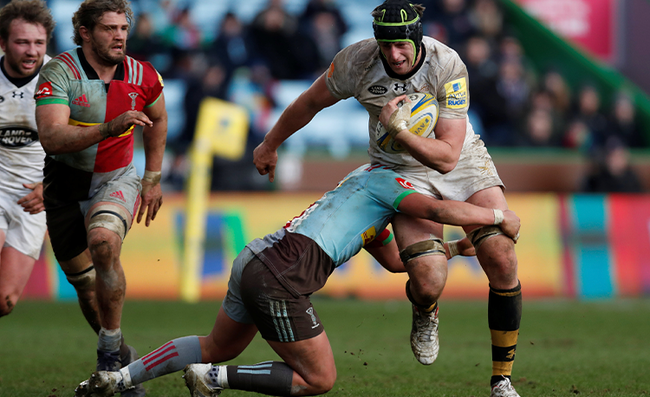
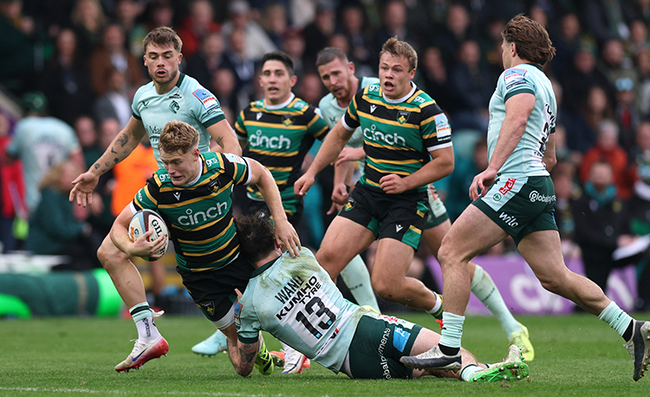
Increasingly, defenders are encouraged to race into the attacking line to help prevent the ball reaching the wingers. It’s a good tactic. Instead of matching up in defence on the outside and perhaps finding themselves outnumbered, the defence can block the attack. That means they can compress the defence nearer to the first few passes the attack made, cutting down their options to go forward.
This sort of aggressive defence makes it hard for the attack to go wide. The midfield attacker who’s looking to make a pass sees free attackers wide out, but defenders in the path of a normal pass.
Set plays can help mitigate against this. Also, the use of a “block” or “bridge” pass continue the movement of the ball. This play has the ball carrier pass behind a team mate to another player. However, this can also push the attack further behind the gain line.
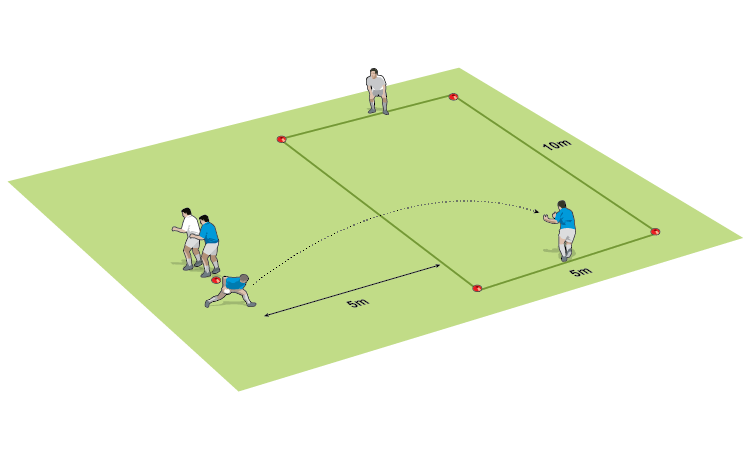
One solution is this long, looped pass. Lots of players at the top level use this tactic, because defences are increasing cutting down the outside option.
To be effective, it needs the following attributes:
- It must be high enough to float over the defenders’ grasps.
- It must be flat enough (that is, not backwards) for the receiver to run onto.
- It must be fast enough that the ball doesn’t hang in the air too long so that defenders can adjust to meet the ball themselves.
The pass suits a spin pass rather than a push pass, though your players can experiment. They could use an American Football like quarterback throw, though that’s hard to execute when the passer is trying to keep their hips as square as possible to the opposition.
The risks of a long, looped pass are:
- They can be perceived as a forward pass.
- A mistimed or poorly executed pass can be intercepted, probably with dire consequences.
Adaptive games
On page 7, we have a game where overhead catches are part of the skill. You can adapt the game, so all passes must start below head height and must go above head height at some stage. That should improve the pass execution.
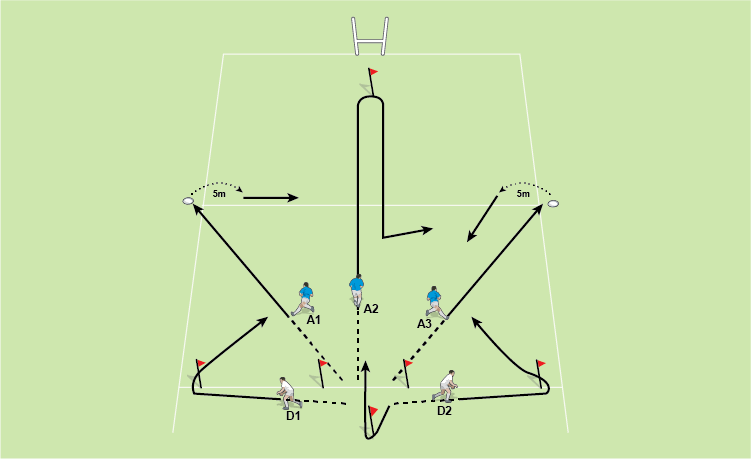
You can also play “cheat” touch. One or two defenders from each team are nominated as “cheats”. They can stand in the attacking line and intercept or block passes. They cannot touch an attacking player though.
This means that the defence will have gaps because they will hwave one or two players less in their line. The attackers will have opportunities to go wide, but may have to use looped passes to succeed.
Fundamental movements in training
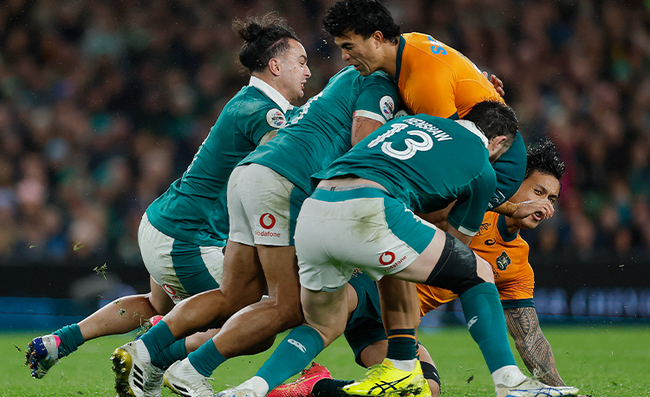
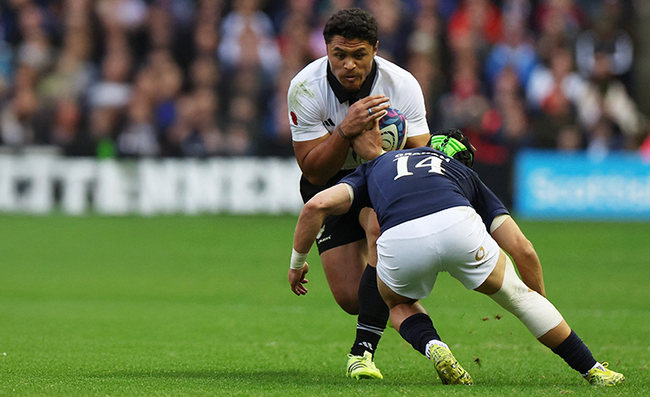
Players need to be able to use their athletic ability to gain a competitive advantage over their opposite number. It’s not just about pure strength though. Good use of the whole body can shift momentum, allowing smaller, quicker players to overcome the odds.
Playing lots of active games in training helps. But, they don’t always help those contact situations which the players will face when it comes to matches.
We also know that we can’t bash the players for the full training session - we have to mix up the amount of contact they receive to reduce the chances of injury. Hence, the need for a balanced approach that covers the core movements for contact.
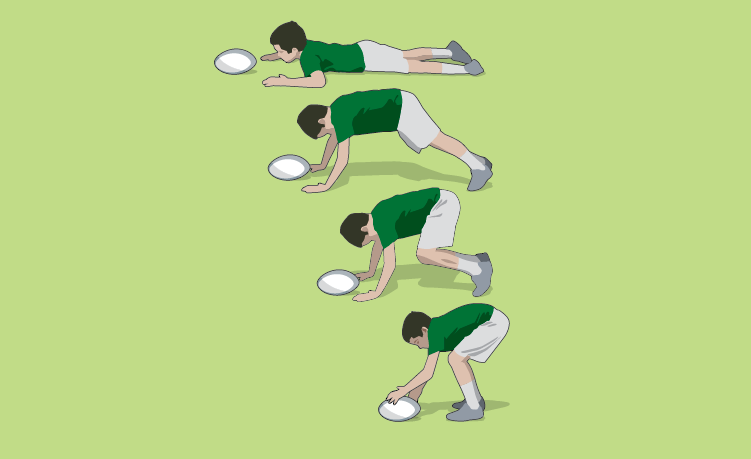
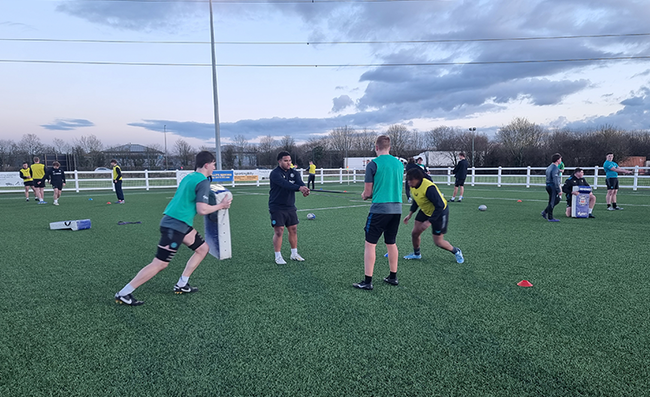
On page 6, the players focus on leg drive, which is the ability to generate momentum from the ground. The session works on the sorts of movements that directly translate into the game, using resistance in two directions.
You might see international teams using large elastic bands to do the same sort of work, and RCW contributor and a Level 5 coach, Graham Smith has developed a body harness for scrummaging.
For younger players, and for teams on a tighter budget, player-on-player resistance does a good job. It’s also less intrusive because there’s no equipment in the way once a player is released.
These sorts of exercises should be part of the warm-up during the week. They don’t take long. However, it’s important you look for quality. In this case, quality is measured by the effort that’s required to move in the right direction. If they do move in the right direction, then they will be using the right sorts of muscles and dynamic movement.
I reckon the players will have some fun with these, and you can even add in a ball and passing if you want to stretch them.
Related Files

Dan Cottrell
Latest Issue
Subscribe Today
Subscribe Today
Newsletter Sign Up
Coaches Testimonials

Gerald Kearney, Downtown Las Vegas Soccer Club

Paul Butler, Florida, USA

Rick Shields, Springboro, USA

Tony Green, Pierrefonds Titans, Quebec, Canada
Subscribe Today
Latest Issue

Be a more effective, more successful rugby coach
In a recent survey 89% of subscribers said Rugby Coach Weekly makes them more confident, 91% said Rugby Coach Weekly makes them a more effective coach and 93% said Rugby Coach Weekly makes them more inspired.
Get Weekly Inspiration
All the latest techniques and approaches


Rugby Coach Weekly offers proven and easy to use rugby drills, coaching sessions, practice plans, small-sided games, warm-ups, training tips and advice.
We've been at the cutting edge of rugby coaching since we launched in 2005, creating resources for the grassroots youth coach, following best practice from around the world and insights from the professional game.
