
 close
close


 LOGIN
LOGINCreativity at play
Editor Dan Cottrell adds further context to two sessions.


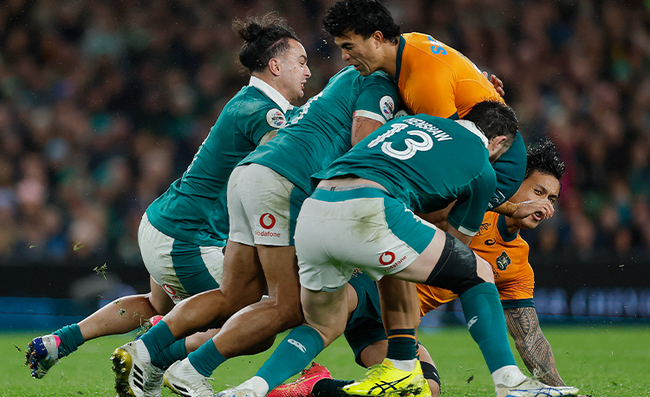
Creative players are something of a rare commodity, if you believe the media-hype. However, our players are proably more creative than we think, and it is certainly something we can promote.
But, we need to understand what it looks like before we chase it.
Creativity means using one’s imagination or original ideas to create something. In many ways, it looks like players making small changes to what they are doing to solve problems. They might link skills together which they hadn’t previously considered. Or, players draw on other sports or parts of their lives to then project onto the rugby situation in front of them.
Yet, asking a player to be creative is a pretty daunting prospect to many. This is especially true for younger players, who might actually do the complete opposite and not do anything at all.
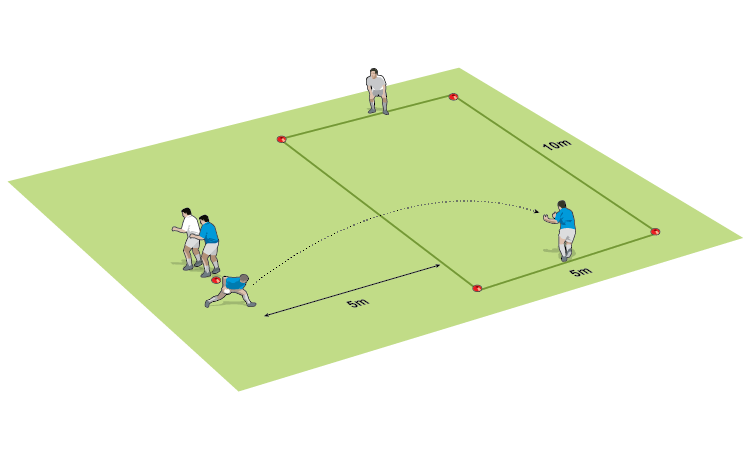
That’s why you need to create an environment when it’s possible to experiment. You should challenge the players to find a different way. Why not try this out with the activity on page 4.
I believe that if you have a way clearly in your own mind, then there’s a real danger that your language and demeanour pushes them towards that way.
I asked Mick Tyler, who’s a sport lecturer and coach, to comment on and challenge my thoughts.
In terms of creativity, one of the key things is to give them skills to work with. Without the existing more basic skills then asking them to be creative just isn’t going to work.
Linking skills together is definitely a key to creativity. They need some existing skills there to be creative with. It takes a genuinely special mind to come up with something completely new, and even then, I’m not convinced it is possible to come up with anything completely new.
One thing I might question is where you say something like “if you have a way in your own mind there’s a danger of pushing them towards that way”. Modelling “being creative” is actually a really good way of helping the players see how creativity comes about.
As an expert, your solutions to game problems will be built on stronger foundations (wider experience and more secure skills) and so showing or telling them your thought patterns and in-game solutions should help them.
Overall, I believe that letting them play the same or very similar games repeatedly should allow them to devise new solutions to similar problems and to practise being creative. I think some people see “creativity” as being almost a magical thing that drops out of the heavens, but in my view, it can and should be practised.
Recycle fast – that’s the player, not the ball
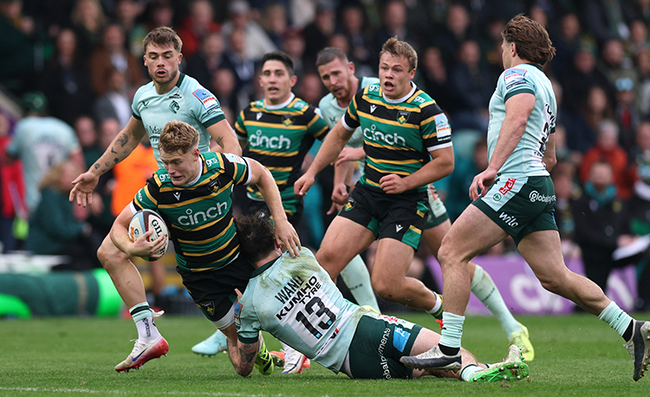
You can’t play rugby if you are on the ground. It is every player’s role to get themselves off the ground and back in the game as quickly and effectively as possible.
Fall better
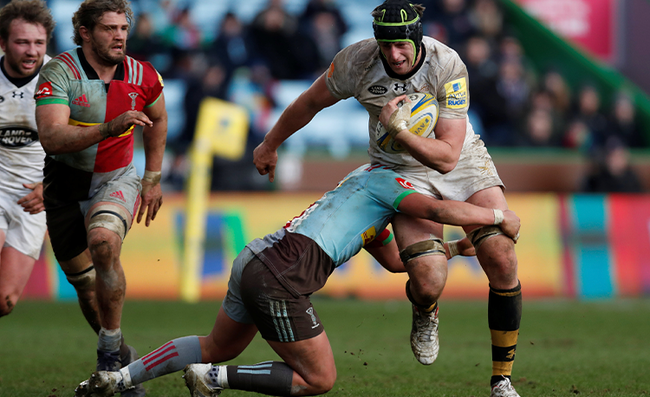
Players can’t always fall the way they want in a tackle. Encourage your players to try to land on top of the opposition player whether tackling or being tackled.
It’s also better if they can fall so they end up on their front rather than on their back or side. This makes it easier to protect the ball if they have been tackled and it is much easier to get up. In training, make it an extension exercise for better players in a contact activity.
Demonstrate the difference in speed getting up from different positions by having your players try them. Can they get up quicker from their back, side or front?
Developing speed off the ground
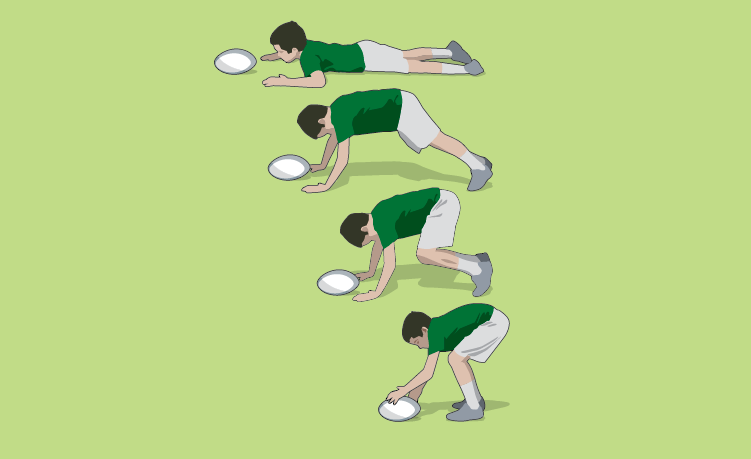
Getting back up is not a chance for a rest. It should be an explosive movement where the legs and arms are used together to push up. Think of a surfer moving from a prone position to a standing position. The arms straighten and the knees explode up towards the chest bringing the feet underneath the body.
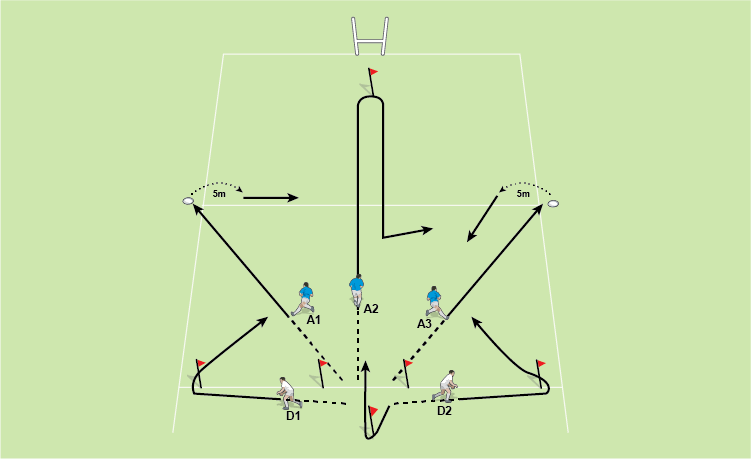
This leads to a strong balanced crouched position ideal for competing for the ball or moving into position in any direction. Use the exercise on page 5 to improve this.
Look and move
As soon as the player is upright they need to look around and assess the situation. They should ask themselves where they are going to be needed for the next phase. They then need to get in position as quickly as possible.
Related Files

Latest Issue
Subscribe Today
Subscribe Today
Newsletter Sign Up
Coaches Testimonials

Gerald Kearney, Downtown Las Vegas Soccer Club

Paul Butler, Florida, USA

Rick Shields, Springboro, USA

Tony Green, Pierrefonds Titans, Quebec, Canada
Subscribe Today
Latest Issue

Be a more effective, more successful rugby coach
In a recent survey 89% of subscribers said Rugby Coach Weekly makes them more confident, 91% said Rugby Coach Weekly makes them a more effective coach and 93% said Rugby Coach Weekly makes them more inspired.
Get Weekly Inspiration
All the latest techniques and approaches


Rugby Coach Weekly offers proven and easy to use rugby drills, coaching sessions, practice plans, small-sided games, warm-ups, training tips and advice.
We've been at the cutting edge of rugby coaching since we launched in 2005, creating resources for the grassroots youth coach, following best practice from around the world and insights from the professional game.
