
 close
close


 LOGIN
LOGINRugby Coach Weekly is the largest digital resource for youth coaches, trusted by 15,000+ coaches, teachers and parents every month.
-
Coach with confidence
-
Improve your teams faster
-
Run great sessions with less effort
- Expert coaching advice from TOP Coaches
- Training sessions for players from U6 to U17+.
Not on the ball, but still working
Editor Dan Cottrell adds further context to two sessions.


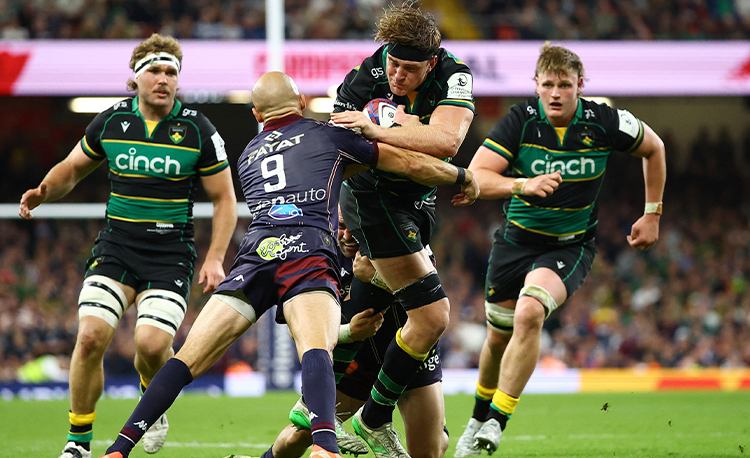
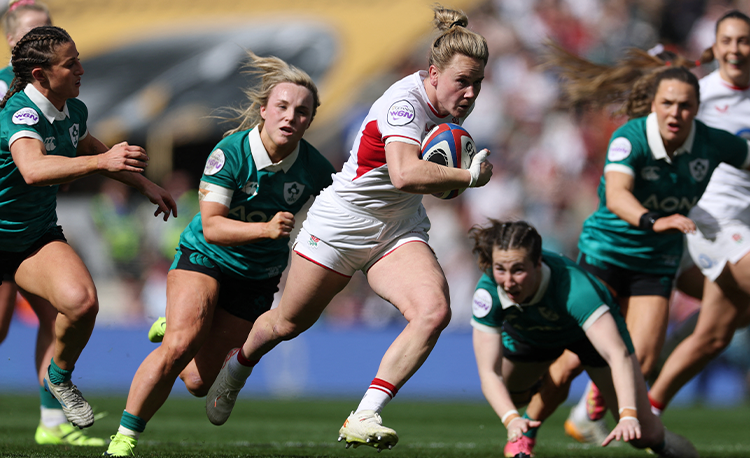
Some simple maths will tell you that in a game of thirty players, on average every player will have two seconds on the ball in every minute of play. So, if the ball is in play for 30 minutes, that’s just one minute. Some players, like 9s and 10s, will have a disproportionate time with the ball. Some players may not even touch the ball at all.
To democratise ball touches, we train our players to catch and pass more effectively. But we can’t change the simple maths: for over 90% of the game, most players won’t be touching the ball.
Training close to the ball
We must work on skills off the ball in attack. That’s true of defence as well as attack. Each player must understand how they can affect the game when they are not directly in touch with the ball.
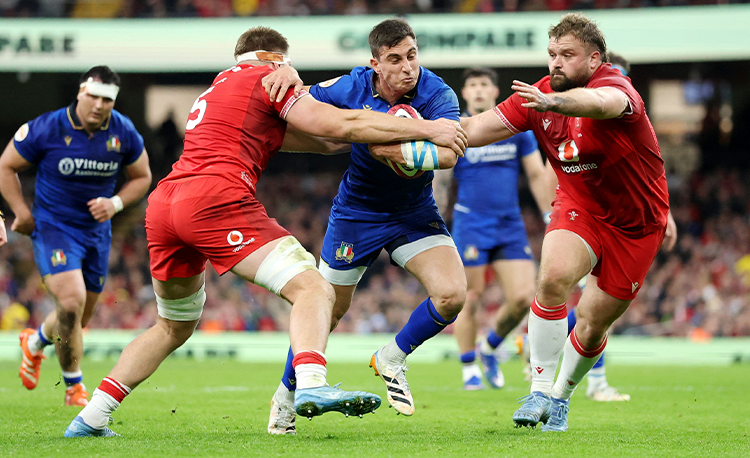
First, they should focus on their direct support roles – the players closest to the ball. That’s easy. They know they have a good chance of receiving a pass or perhaps helping to win the next contact. As a coach, you are looking in, checking this. There’s instant feedback because passes are caught, or dropped. Contact situations also contain the nearest few players.
Training without the ball
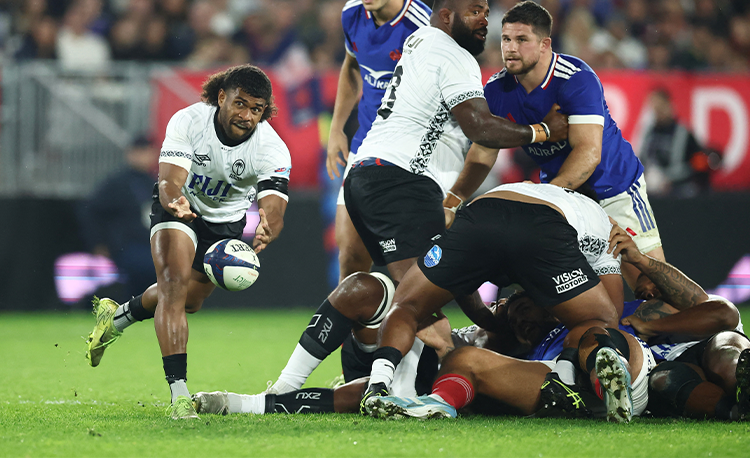
Yet, what’s happening with the other players. For example, in attack, we will have a ball carrier, up to three support players, a clearing passer, a first and second receiver. What about the other nine players? The same could be said for the defence.
There’s a tendency for the players who are not directly involved in the hub of the action to lose direction. Yes, they might put themselves into a good position, hope the ball’s coming their way or listening out for system calls.
Better players should be plotting. In attack, they should be spotting weaknesses, talking to the players around them about possibilities, calling into the hub of action if they need to have the ball now. In defence, they must be adjusting to the attacking shapes, reading the body language of the attacking decision makers, covering or being prepared to cover spaces.
How do you develop that level of sophistication? By watching these players as much as the hub. By asking them questions on what they are thinking and why. And by playing plenty of dynamic games where the players who aren’t involved can still make a difference.
Try out the adaptive games on page 6 for plenty of off-ball training situations.
Catching outcomes can make for better passers
In our catch and pass session builder (page 7) this week, I’ve focused on outcomes over process. While it can be argued that if we improve our processes, the outcomes will look after themselves, it can also be argued that sometimes when we focus on a process, we might reduce the options a player might bring themselves to an outcome.
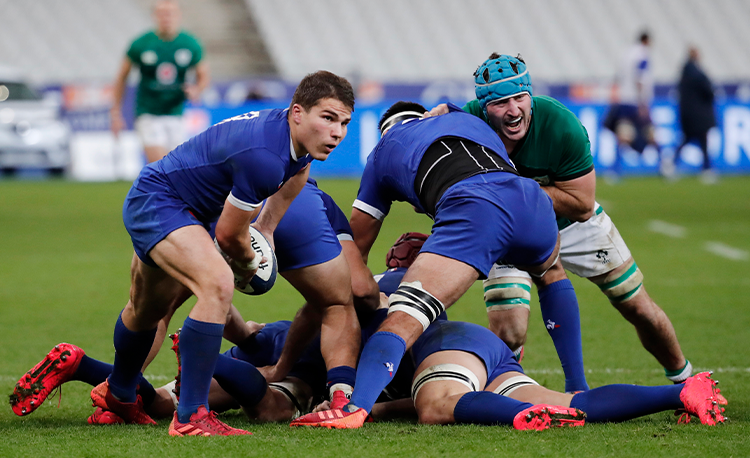
For example, the spin pass has some players finishing with their hands towards the target while others might have to the top hand finishing back towards the shoulder. Watching clips of the best in training and in matches, you might spot a scrum half practising one type yet playing with both.
I think we can do both in training. We can work on outcomes in some sessions, and processes in others. As long as the players are aware what you are focusing on, they can set their own success criteria.
Here are some examples of outcomes.
Passing
- Draws the catcher onto the pass.
- Arrives between the hips and the shoulders.
- Is soft for a short pass, hard for a long pass.
Catching
- Caught on the run.
- Caught.
Simple enough. The players then adjust their processes to achieve the outcomes.
If you were running a process-led session, then you might look at the position of the hands, the movement of body during the pass, footwork or shoulder and hip alignments.
But, in the end, a pass must mean something. Why are players passing the ball? That’s inevitable an outcome-led objective. Make sure your players know why as well as how.
Related Files

Dan Cottrell
Latest Issue
Subscribe Today
Subscribe Today
Newsletter Sign Up
Coaches Testimonials

Colin Shaw
Gary Lee Heavner
Subscribe Today
Latest Issue
Be a more effective, more successful rugby coach
In a recent survey 89% of subscribers said Rugby Coach Weekly makes them more confident, 91% said Rugby Coach Weekly makes them a more effective coach and 93% said Rugby Coach Weekly makes them more inspired.
Get Weekly Inspiration
All the latest techniques and approaches


Rugby Coach Weekly offers proven and easy to use rugby drills, coaching sessions, practice plans, small-sided games, warm-ups, training tips and advice.
We've been at the cutting edge of rugby coaching since we launched in 2005, creating resources for the grassroots youth coach, following best practice from around the world and insights from the professional game.
