
 close
close


 LOGIN
LOGIN7 ways to make better demos
A guide to how to explain techniques quickly and clearly.


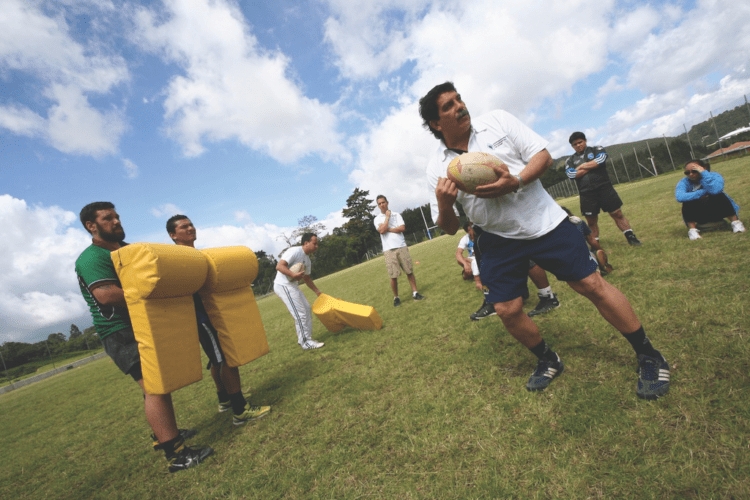
Demonstrating a technique is a powerful coaching tool.
It is important your players understand what is being asked of them, to give them the best chance to learn the skill.
Here’s our seven top tips for coaching demos:
01 Sell before you start
Sell the idea to the players before the demonstration begins. Ask players for solutions to a problem or areas for improvement. Create a need.
02 Paint a picture prior to demonstrating
Outline what parts of the body will be key to the technique and how they might feel during the demonstration.
The main areas that players focus on are:
- Head position
- Eyes
- Shoulders
- Elbows
- Hands
- Hips
- Knees
- Feet
Pick out two to focus on.
03 Demonstrate in the right place
You are almost ready to start the vital 30 seconds, so ensure that...
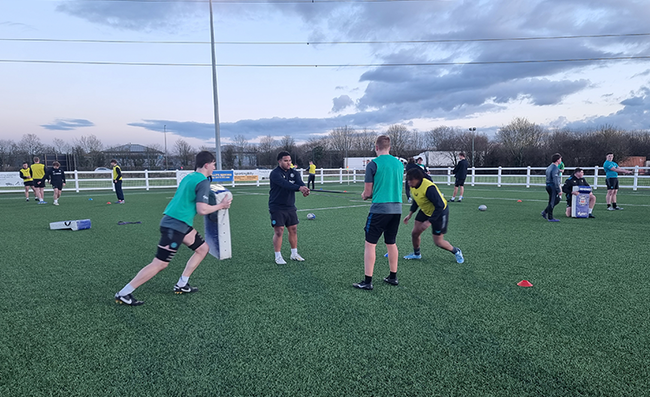
Everyone can see
- Arrange players in a horseshoe, not a circle.
Everyone can focus
- Make sure there are no distractions behind you, like other players training, or the sun.
Everyone is ready
- Look at the players’ eyes and body language, listen for silence.
04 Demonstrate in slow motion only
You should demonstrate at half pace if possible.
Players need to see where you are moving or what you are doing, as they will be copying you.
It will nearly always be something they have not done before. Therefore, you will want them to do it slowly, or at least deliberately, before increasing the intensity.
05 Demonstrate what you can do
A poor demonstration can mean a lack of trust, and bad outcomes when players try it for themselves. You must have practised your demonstration before training.
If you can’t demo it, you need to use another method: peer demonstration. Get a player, or players, to demonstrate with you, feeding back after they have completed it.
06 Don’t talk – do and do again
Do the demonstration without commentary. Then you can repeat it, perhaps with commentary this time – but let players see the flow, action or body shapes.
If you are moving and talking, it can reduce the effectiveness of the demonstration.
07 Check understanding
You can, at this stage, do two things: Let another player, or players, repeat what you have done, or let them try it out.
Don’t finish the demonstrations with the words: “Any questions?”. Either ask for direct feedback (and let another player repeat) or allow them to have a go.
Tip
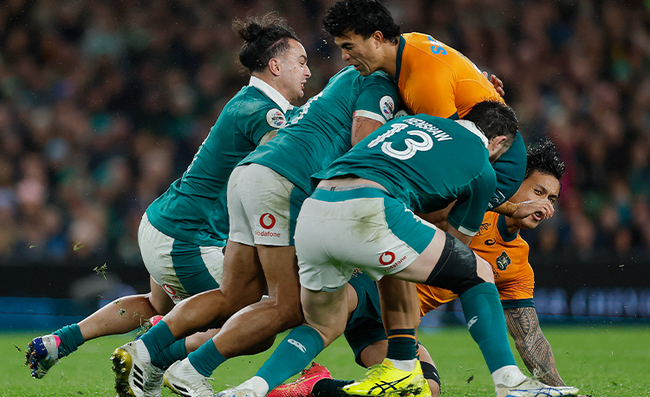
Avoid tackling or full-speed contact when you are doing a demonstration.
If you need to show those skills, use only experienced players. If you are using other players in your demonstration, speak to them clearly and directly about their roles.
Do you need to demo every skill?
Not every skill needs demonstrating. In fact, demonstrations can be counter-productive if there are too many in a session – stick to two at most.
If a player is struggling with a specific area, you should find time to work with them at another time.
Also, with younger players, be wary that you have vastly different skills to theirs. What might seem simple to you might be far more difficult for them, because they might not have the core strength or hand-eye co-ordination you have.
Catch-and-pass, especially, needs sympathy.
Related Files

Dan Cottrell
Latest Issue
Subscribe Today
Subscribe Today
Newsletter Sign Up
Coaches Testimonials
Gerald Kearney, Downtown Las Vegas Soccer Club

Paul Butler, Florida, USA

Rick Shields, Springboro, USA
Tony Green, Pierrefonds Titans, Quebec, Canada
Subscribe Today
Latest Issue

Be a more effective, more successful rugby coach
In a recent survey 89% of subscribers said Rugby Coach Weekly makes them more confident, 91% said Rugby Coach Weekly makes them a more effective coach and 93% said Rugby Coach Weekly makes them more inspired.
Get Weekly Inspiration
All the latest techniques and approaches


Rugby Coach Weekly offers proven and easy to use rugby drills, coaching sessions, practice plans, small-sided games, warm-ups, training tips and advice.
We've been at the cutting edge of rugby coaching since we launched in 2005, creating resources for the grassroots youth coach, following best practice from around the world and insights from the professional game.
