
 close
close


 LOGIN
LOGINRugby Coach Weekly is the largest digital resource for youth coaches, trusted by 15,000+ coaches, teachers and parents every month.
-
Coach with confidence
-
Improve your teams faster
-
Run great sessions with less effort
- Expert coaching advice from TOP Coaches
- Training sessions for players from U6 to U17+.
Box-to-box work and play


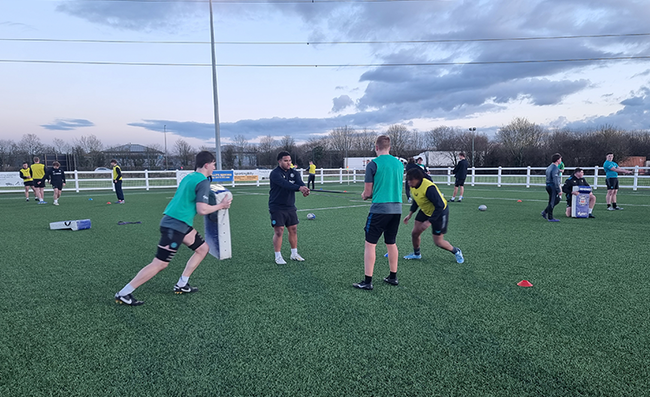
Training can easily isolate skills without forcing players to change mindsets quickly. This session concentrates on working players hard in one area and then pushing them into decision-making situations. It will improve fitness, communication and organisation.
Warm up time: 5
Session time: 6-9
Development time: 6-9
Game time: 15-20
Warm down time: 7
What to think about
Though skills are the main focus of this session, all the activities will mentally test players. In my experience, the less motivated and more selfish players will cause problems. Here are two ways to deal with this. First, keep group numbers small, so there is no hiding place – split into two or three games or activities. Second, ask under performing players to sit out for 30 seconds. They will not want to be apart and will probably want to get back into the game.set-up
- Work hard at the first activity, do that well then work hard at the second.
- When you are moving from one to the other, look up and ahead, listen, communicate and get in position to make a difference.
What you get your players to do
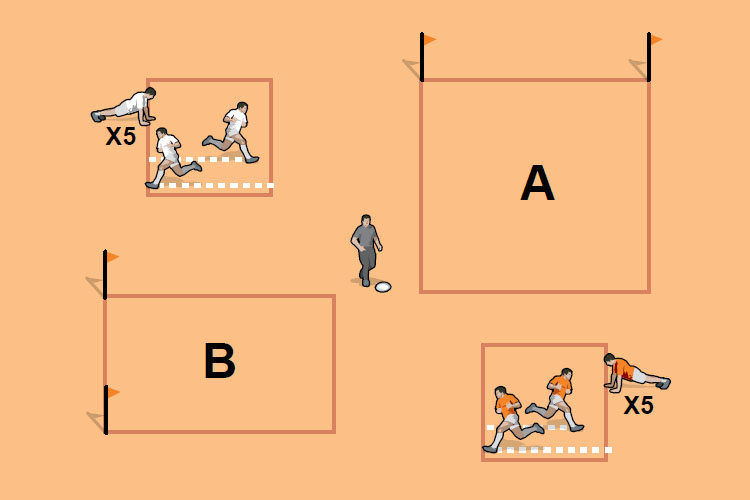
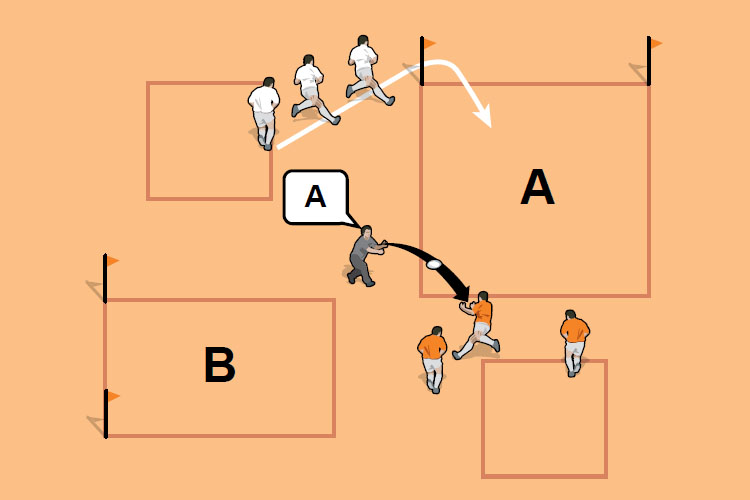
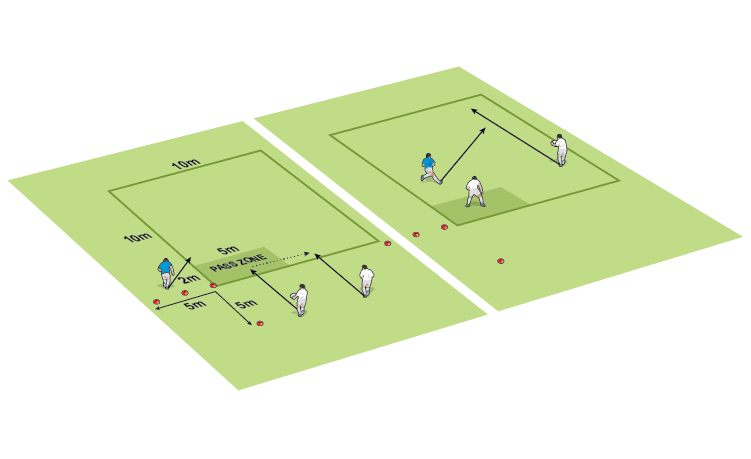
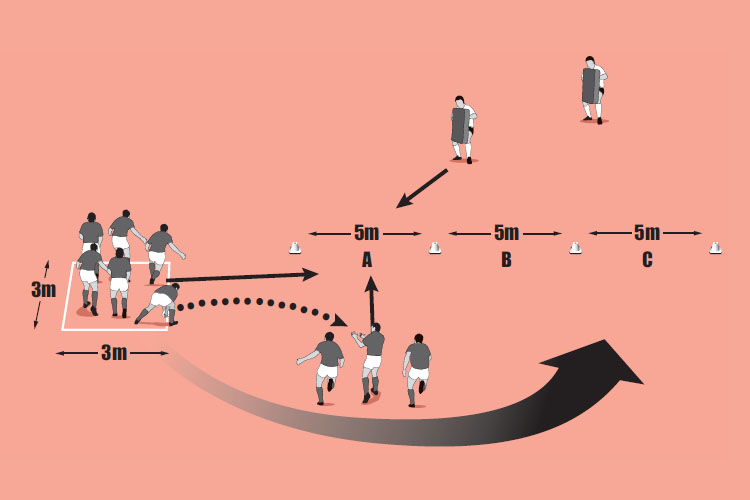
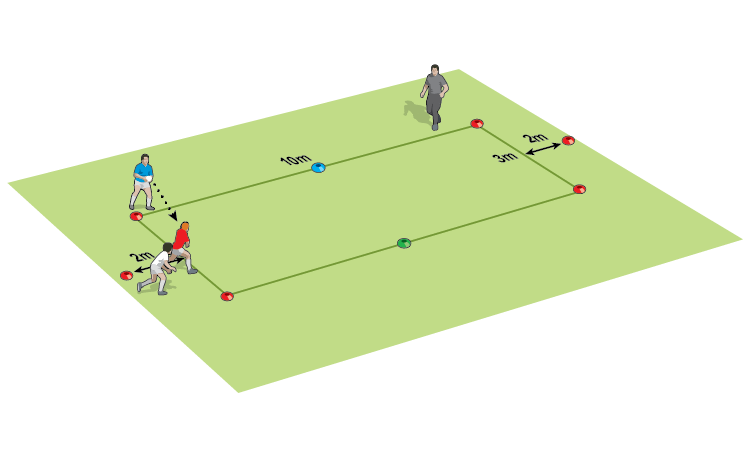
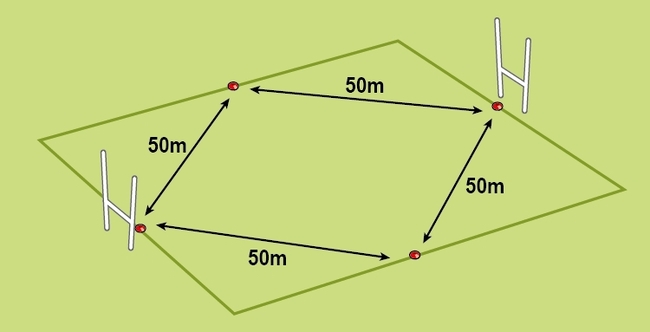
Set out four boxes as in the top picture, two “play” and two “work”. The sizes of the “play” boxes should be different but should have a try line. The work boxes can be 5m or slightly larger. Split your team into equal groups – say three to five. Put one group in each work box, with one group defined as the defenders, and one the attackers. In the work box, players run from end to end five times and then do five press-ups, and repeat. When you shout a play box letter, both groups run into that box, with the defenders coming in from behind the try line. Play touch or full contact rugby and stop after an infringement. Repeat for the next groups who have been keeping warm and preparing to enter the boxes.Development
Change the activities in the work box, for example:- 1v1 scrummaging.
- Pop passing across box.
- Different exercises at end of each set of runs.
Related Files
Game situation
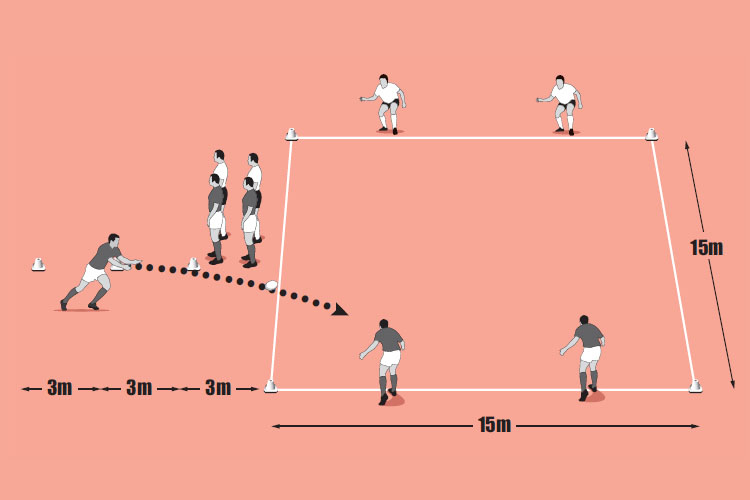
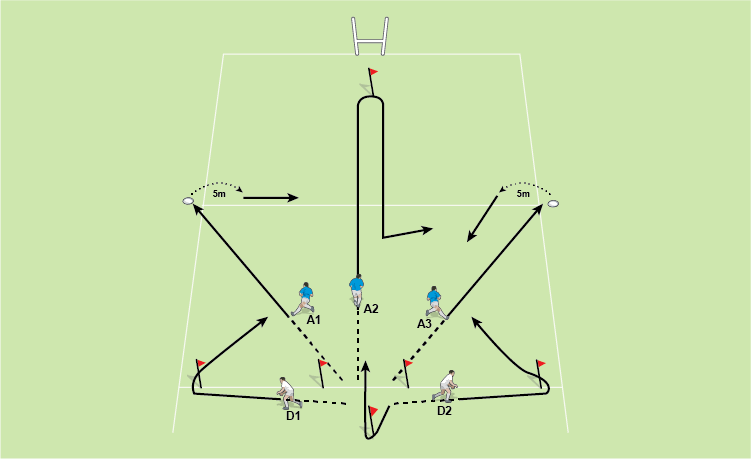
Set up eight cones around the edges of the playing area. Split into two teams, each player is given the number 1 or 2. Play either touch or normal rugby. When you shout a number, players with that number must run around a cone and re-enter the pitch. If you shout the number of the ball carrier, he must pass the ball immediately and then run around a cone.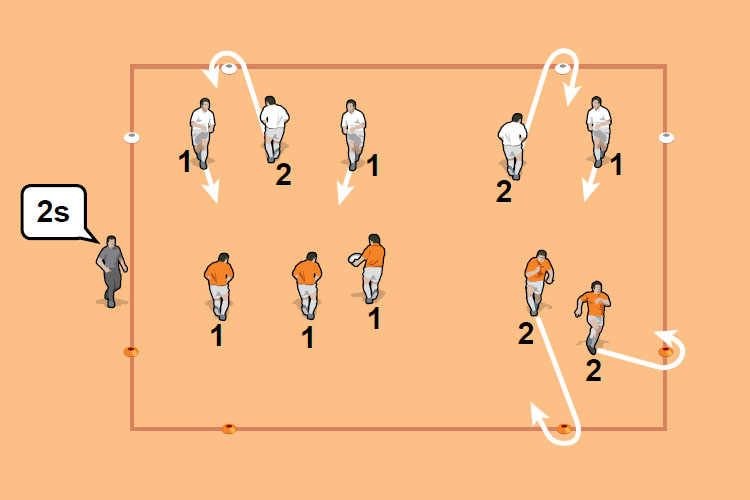
What to call out
- “Shout out you are covering or where you are running”
- “Attack at speed, defend as a team”

Dan Cottrell
Latest Issue

Subscribe Today
Subscribe Today
Newsletter Sign Up
Coaches Testimonials

Colin Shaw

Gary Lee Heavner
Subscribe Today
Latest Issue
Be a more effective, more successful rugby coach
In a recent survey 89% of subscribers said Rugby Coach Weekly makes them more confident, 91% said Rugby Coach Weekly makes them a more effective coach and 93% said Rugby Coach Weekly makes them more inspired.
Get Weekly Inspiration
All the latest techniques and approaches


Rugby Coach Weekly offers proven and easy to use rugby drills, coaching sessions, practice plans, small-sided games, warm-ups, training tips and advice.
We've been at the cutting edge of rugby coaching since we launched in 2005, creating resources for the grassroots youth coach, following best practice from around the world and insights from the professional game.
