
 close
close


 LOGIN
LOGINRugby Coach Weekly is the largest digital resource for youth coaches, trusted by 15,000+ coaches, teachers and parents every month.
-
Coach with confidence
-
Improve your teams faster
-
Run great sessions with less effort
- Expert coaching advice from TOP Coaches
- Training sessions for players from U6 to U17+.
Up-to-date lineout training
Sessions for forwards are still drill-based, not game-based – make it about fun and movement instead. By Lichfield RFC director of rugby DAN HEMINGWAY


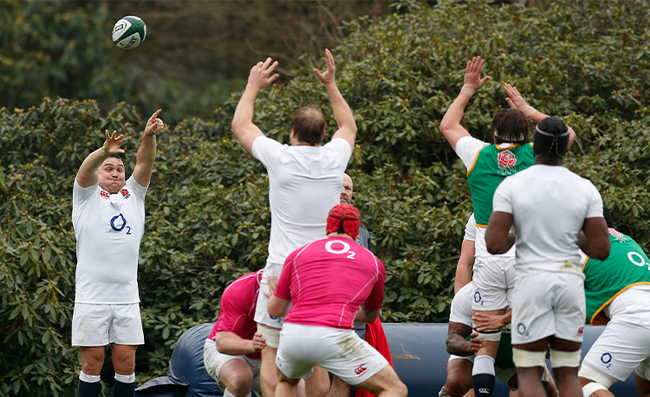
Most modern rugby coaches use games as the basis of training, yet this hasn’t filtered down into a lot of forwards unit sessions – there are still too many ‘drills’ and unopposed lineout plays.
Here is how I have tried to bring in the ideas of fun and movement to improve my forwards, focusing on lineouts.
Typical lineout session
I don’t do many full lineouts in a session.
Instead, I concentrate on players getting the little bits right. That means putting them under pressure at the right times.
There is a careful balance, here. You must match up the pressure capabilities to the level of player you have.
For example, with my U18s rep side, we will be quite competitive, quite quickly. With less able players, I will take it slower.
However, there needs to be pressure.
Pressure: Increase it by focusing on being accurate or beating the opposition.
Accuracy: Completing a number of repetitions.
We can create pressure by overloading the players. For example, we might want to complete five accurate lifts in less than a minute.
As the players get tired, their accuracy might falter. You judge the amount of the overload depending on the level of players.
Opposition: Winning the ball
We create pressure by putting the players into game scenarios.
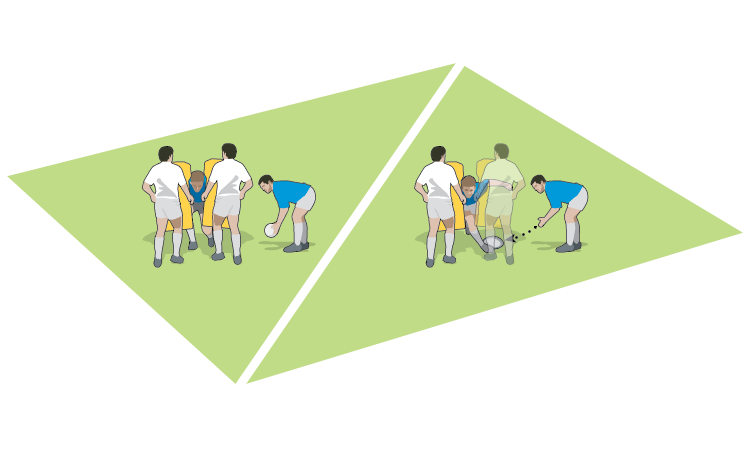
You can modify the opposition by giving them more or less time to set up.
Player power
The more the players can take control of their learning environment, the more they will be motivated to progress.
Here are some ways I use:
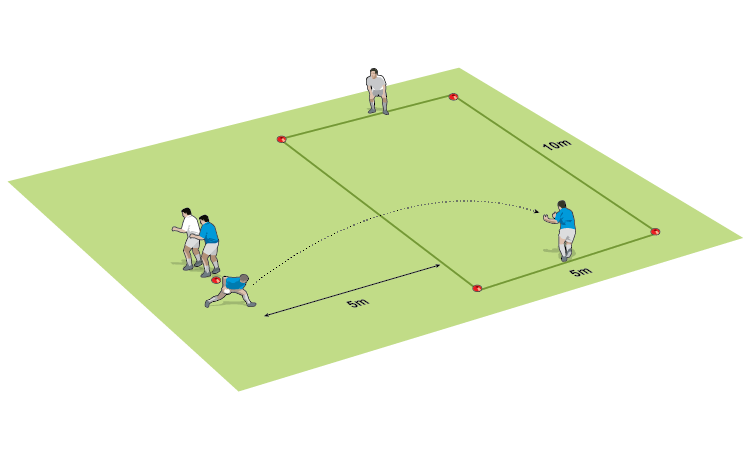
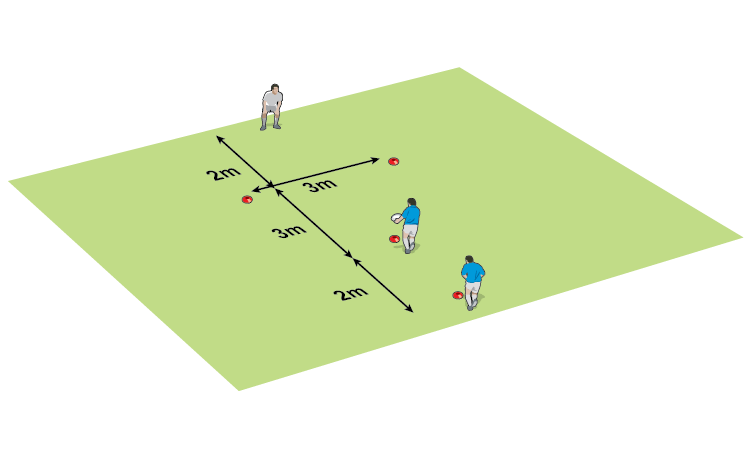
- Box size: The players set out the parameters for training. For example, the size of the playing area, or the area in which they will perform.
I give them the cones and they put them down. I will challenge them to make it smaller or larger depending on what outcomes I’m looking for.
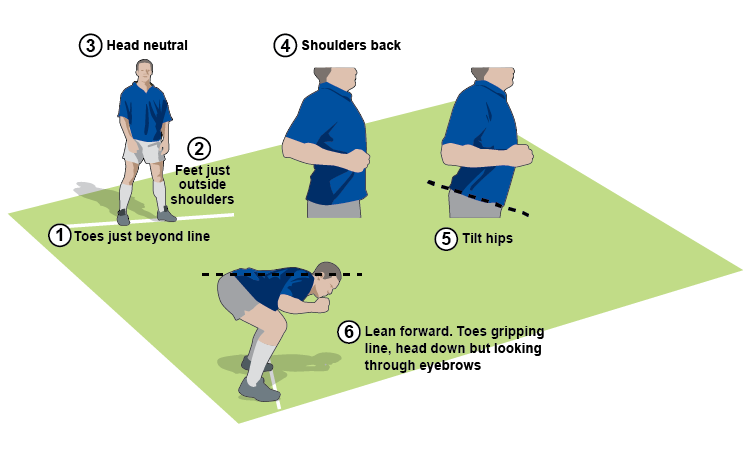
- Technical feedback: I will set out some core principles for better play (see the box).
When they are training, I will ask them what is going well and what might they do better. They can reference the core principles, but they must then decide how they can improve.
Breaking out
Lineouts can be practised in one long session, in breakouts, and as one-offs.
Sometimes, you will spend a good 15-20 minutes on one aspect of the lineout, building it up from first principles.
Compress that into five minutes at a later date, because the players will be used to what’s coming. This can be a breakout session.
However, you must also recognise that, in matches, lineouts are one-offs. You can’t go back to practise it if it hasn’t worked out the first time.
Work into your training a moment when players face a lineout they must win. They won’t have another chance for some time.
Core principles
|
Related Files

Dan Cottrell
Latest Issue

Subscribe Today
Subscribe Today
Newsletter Sign Up
Coaches Testimonials

Colin Shaw

Gary Lee Heavner
Subscribe Today
Latest Issue
Be a more effective, more successful rugby coach
In a recent survey 89% of subscribers said Rugby Coach Weekly makes them more confident, 91% said Rugby Coach Weekly makes them a more effective coach and 93% said Rugby Coach Weekly makes them more inspired.
Get Weekly Inspiration
All the latest techniques and approaches


Rugby Coach Weekly offers proven and easy to use rugby drills, coaching sessions, practice plans, small-sided games, warm-ups, training tips and advice.
We've been at the cutting edge of rugby coaching since we launched in 2005, creating resources for the grassroots youth coach, following best practice from around the world and insights from the professional game.
