
 close


 LOGIN
Better backfield kick cover
The back three need to achieve a good blend of defence against running and kicking types of attack. The full-backs and wingers must be interchangeable and understand their roles.

All defensive systems must cover three areas:
- The front line: defending the running game.
- The backfield: covering the longer kicking game.
- The intermediate zone: covering short attacking kicks and the space behind the front line.
In an “up-and-out” or drift defence, the defensive 9 will often cover the intermediate zone. This can release the full-back to play deeper as part of what is commonly called the backfield “pendulum”.
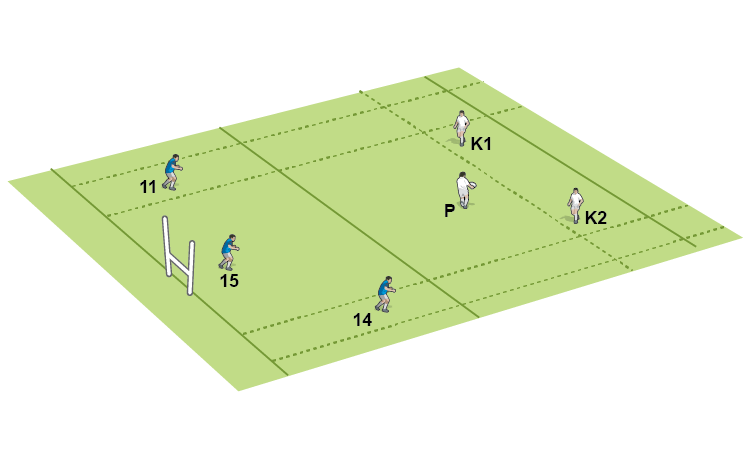
The full-back and two wingers swing across the pitch according to the position of the ball and the likely kicking options. Typically, two players cover the backfield while the third moves into the defensive line on the attacking side. However, the exact balance will depend on the defensive system and the threat posed by the opposition.
The full-back is at the centre of the pendulum, generally working across the pitch between the 15m lines. As a rule, it is better to start slightly too deep than too shallow. It is easier to run forward onto a kick than turn and chase back.
The covering winger cannot always drop as deep because they may still be needed in the front line. However, their position near the touchline can give them a useful angle to cover kicks across the field.
Good communication is essential. It keeps the backfield connected and reminds players to adjust as the ball moves. This is particularly important for wingers, who may spend long periods away from the immediate action.
A well-organised pendulum closes down the attacking team’s preferred kicking spaces, perhaps forcing the kicker to use a less effective option.
Inside the 22m area, the backfield normally becomes more compressed. There is less space to defend and a greater need to cover attacking kicks into the in-goal area.
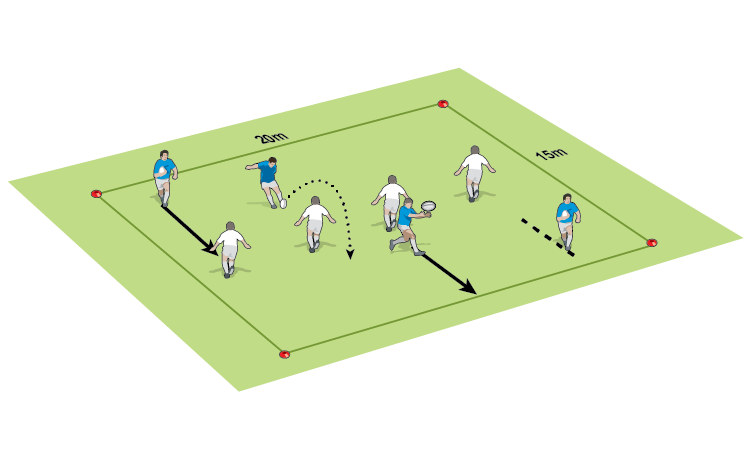
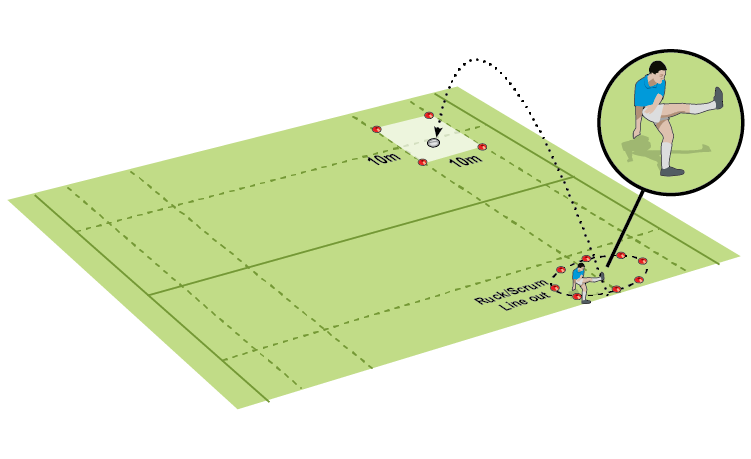
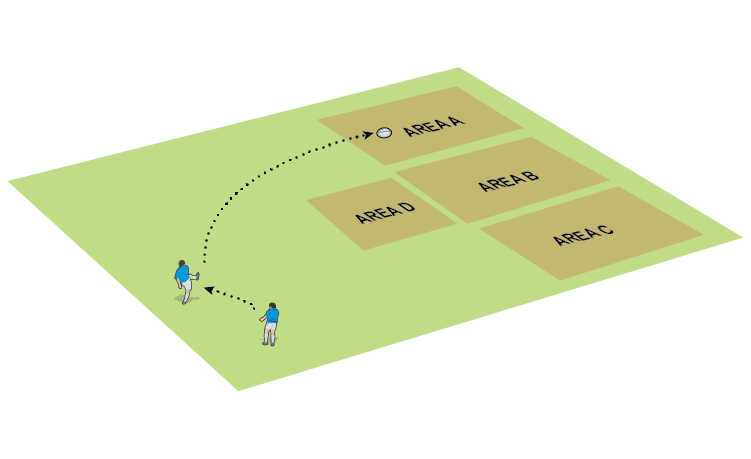
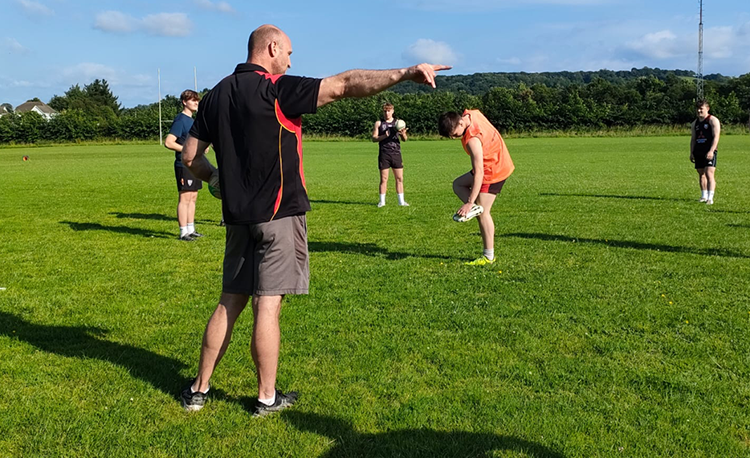
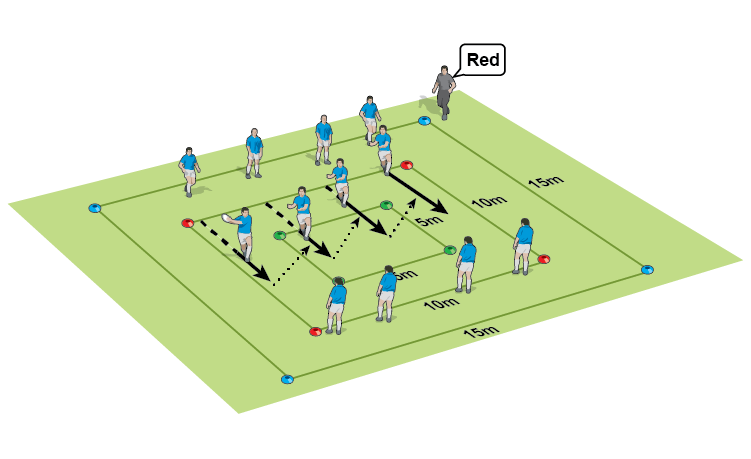
Use Dan Cottrell’s activity on page 5 to work on the basics of the pendulum. Then use Colin Ireland’s scenario activity on page 4 to help players move into position to catch and clear kicks.
Already a member? Log in
20 years of expertise — yours on demand
What to coach tonight…
next week…
all season.
Dan Cottrell has spent 20 years helping grassroots coaches build a consistent approach to player development — not random drills, but a proper system that works week after week. Trusted by thousands of club coaches across the UK.
✓ Code copied — paste it at checkout
Get instant accessProven resources, ready to use
3,000+ drills and 350 session plans, built and refined over 20 years. Written for club coaches, not elite programmes. Download, print, use tonight.
A consistent approach to development
New drills, games and coaching advice added regularly — so there's always something fresh to take to training, whatever stage of the season you're at.
Webinars & coaching evenings
Live and recorded sessions with Dan and expert guests — practical, grassroots-first and included in your membership.
“
RCW has changed the way I plan sessions. I've got a system now — my players are improving and they keep coming back. Worth every penny.
— Mark T., head coach, Cheshire RFC

Dan Cottrell

Latest Issue

Subscribe Today
Subscribe Today
Newsletter Sign Up


Coaches Testimonials

Colin Shaw

Gary Lee Heavner
Subscribe Today
Latest Issue
Be a more effective, more successful rugby coach
In a recent survey 89% of subscribers said Rugby Coach Weekly makes them more confident, 91% said Rugby Coach Weekly makes them a more effective coach and 93% said Rugby Coach Weekly makes them more inspired.
Get Weekly Inspiration
All the latest techniques and approaches


Rugby Coach Weekly offers proven and easy to use rugby drills, coaching sessions, practice plans, small-sided games, warm-ups, training tips and advice.
We've been at the cutting edge of rugby coaching since we launched in 2005, creating resources for the grassroots youth coach, following best practice from around the world and insights from the professional game.
