
 close
close


 LOGIN
LOGINYou can still play when your set piece is under pressure
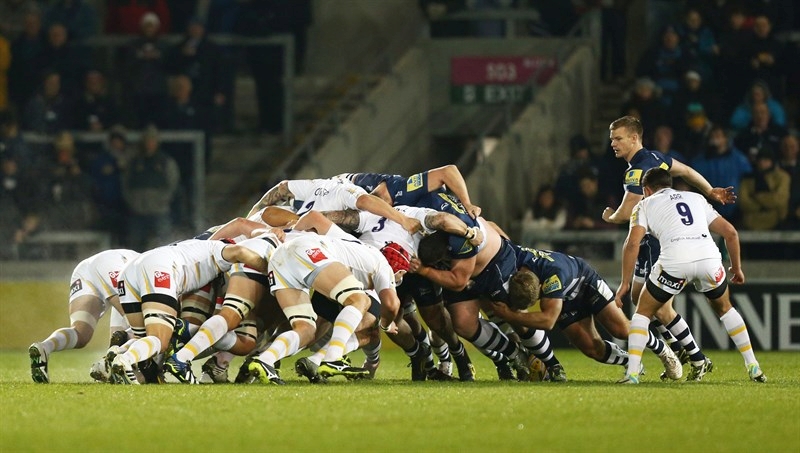
In my time at the Ospreys I was lucky to have forwards like British and Irish Lions’ Adam Jones and Alun Wyn Jones. We would dominate in the set pieces.
But sometimes they weren’t available and we played opposition who were renowned for their scrum and lineout play. Here are the attacking tactics I employed then and still use now.
SCRUM
With the new laws, a quick heel is essential and that means striking the ball through “channel one”. This channel is through the loose-head prop’s legs, and then left hand lock to the left foot of the number 8.
With the hooker under enormous pressure and more so against dominant scrums, this requires good timing. He will have to strike and scrummage quickly.
It will be tough for the 9 to pick up the ball because he’ll have to reach into a scrum that is going backwards or sideways. An 8 can pick up a quick strike before the scrum starts to really shift out of position, either running or passing.
Therefore, in most cases, the number 8 will have to handle the ball. There are three possible options:
- The 8 can pick up and go forward.
- The 8 can pick up, spin into or out of the contact which is either into their 9 or their flanker. That flanker will be quick off the back of a scrum that’s going in his favour. Your 8 can then feed to the nearest flanker if he has to.
- The 8 can flick the ball up to the 9 from his right foot, with 9 running right. If they’re quick enough they can still launch a strike move before they’re disrupted.
LINEOUT
You may come against a team who can drive you back in the lineout maul. In which case, I would use the following:
- Vary the catcher’s delivery to the 9. Don’t just take it off the top every time. Their back row will be quickly into your back line. Sometimes, bring it down, looking like you might try to maul and then pass it away.
- Use a shift drive, where you look as if you are going to drive on the catcher, but you then shift the ball over and drive through another point.
- Use front and back peels. Because they will want to drive you back, you can work to the edges of their defence at the lineout, with forwards running and popping passes to the back or the front of the lineout.
Be a more effective, more successful youth rugby coach
- Win more games, without sacrificing the crucial element of fun
- Develop every player, regardless of vast differences in ability
- Run a respected, professional programme - even with a full-time job and limited time
Subscribe for full access
Or register and unlock 2 free articles,
receive our weekly newsletter, and
get a FREE coaching e-book.
Or if you are already a subscriber login for full access.

Sean Holley
Latest Issue
Subscribe Today
Subscribe Today
Newsletter Sign Up
Coaches Testimonials

Colin Shaw

Gary Lee Heavner
Subscribe Today
Latest Issue
Be a more effective, more successful rugby coach
In a recent survey 89% of subscribers said Rugby Coach Weekly makes them more confident, 91% said Rugby Coach Weekly makes them a more effective coach and 93% said Rugby Coach Weekly makes them more inspired.
Get Weekly Inspiration
All the latest techniques and approaches


Rugby Coach Weekly offers proven and easy to use rugby drills, coaching sessions, practice plans, small-sided games, warm-ups, training tips and advice.
We've been at the cutting edge of rugby coaching since we launched in 2005, creating resources for the grassroots youth coach, following best practice from around the world and insights from the professional game.
