
 close
close


 LOGIN
LOGINRugby Coach Weekly is the largest digital resource for youth coaches, trusted by 15,000+ coaches, teachers and parents every month.
-
Coach with confidence
-
Improve your teams faster
-
Run great sessions with less effort
- Expert coaching advice from TOP Coaches
- Training sessions for players from U6 to U17+.
Strategies and tactics for coaching youth rugby


Lifting
In most countries lifting is not allowed for players younger than 15 years old. You can employ the following jumping and lineout options instead.
Place your tall players at the front: The tallest three players stand in positions 1-to-3 or 2-to-4. This "bunching" gives your team a better chance of winning the ball.
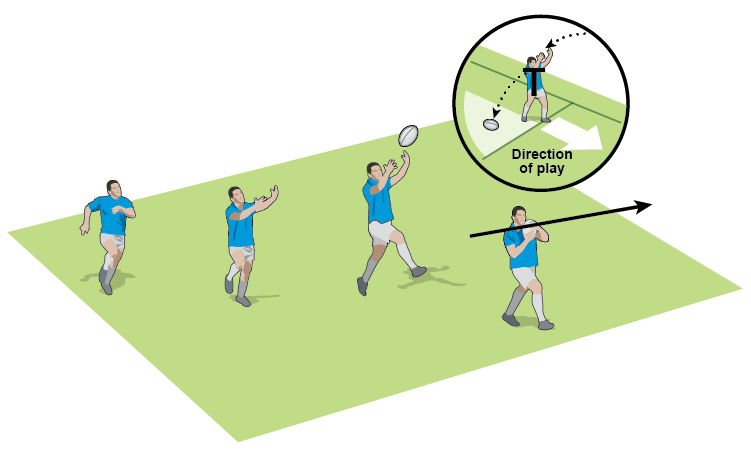
Use only two player lineouts: The back player stands near the 15 metre line. The front player (the target) fakes either a forward or backward move, and takes either a lob ball going backwards or a flat ball going forwards. Your scrum half could enter the line where the front jumper has left a gap. Another forward, for instance, could then fill the scrum half position.
Flat and hard throws: These are better types of throw than lob balls, particularly if your team (or even one player) is skilled at timed jumps.
Catch and maul: Maul if the ball is caught not tapped. A scrum half is unlikely to clear the back of the lineout with a pass and the maul ties in defensive forwards.
The "Scavenger": With no lifting, the fifth player in the lineout plays an important role. They need to gather deflections and secure the ball. This is a specific role. The player needs to know about the different options.
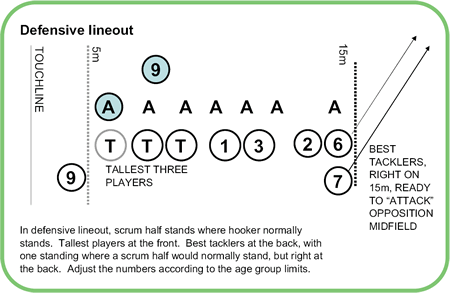
The defensive lineout: Youth sides rarely use a front peel, where a player drives through the 5m area between the touchline and the front of the lineout. In defensive lineouts, try placing your hooker at the back of the lineout and your scrum half at the front. The scrum half can follow the ball into the lineout from the throw and try to pick a lose ball. The hooker can charge into the opposition backline if your opponent's win the ball.
Tactical attacking kicks
Youth team players tend to kick more in hope than with skill. Keeping it simple can help you develop kicking into a tactical attacking option.
Some simple rules: For example, only kick for the corners from your own half, never kick in the opposition's 22m, only kick the high ball from the halfway line and then always into their 22m, only allow certain players to kick.
The high ball towards wingers: Try kicking a few high balls onto the opposition's wingers. Often, and with apologies to teams with good players on the wings, youth sides put their weaker players on the wings. It is worth testing this observation with a few high balls early on in the game.
This article is taken from Rugby Coach Junior. Join today and every week I'll send you more ideas about the methods you can adopt to coach younger players, the ways you can improve their skills and the tactics you can use in your matches.
Click here to sign up today for an 8 week, 97p trial offer. Delivered as a PDF, you'll then receive your first 3 issues straight away, with the others sent to you on publication each week.
Click here to read more tips and advice on coaching youth rugby moves and plays.

Dan Cottrell
Latest Issue

Subscribe Today
Subscribe Today
Newsletter Sign Up
Coaches Testimonials

Colin Shaw

Gary Lee Heavner
Subscribe Today
Latest Issue
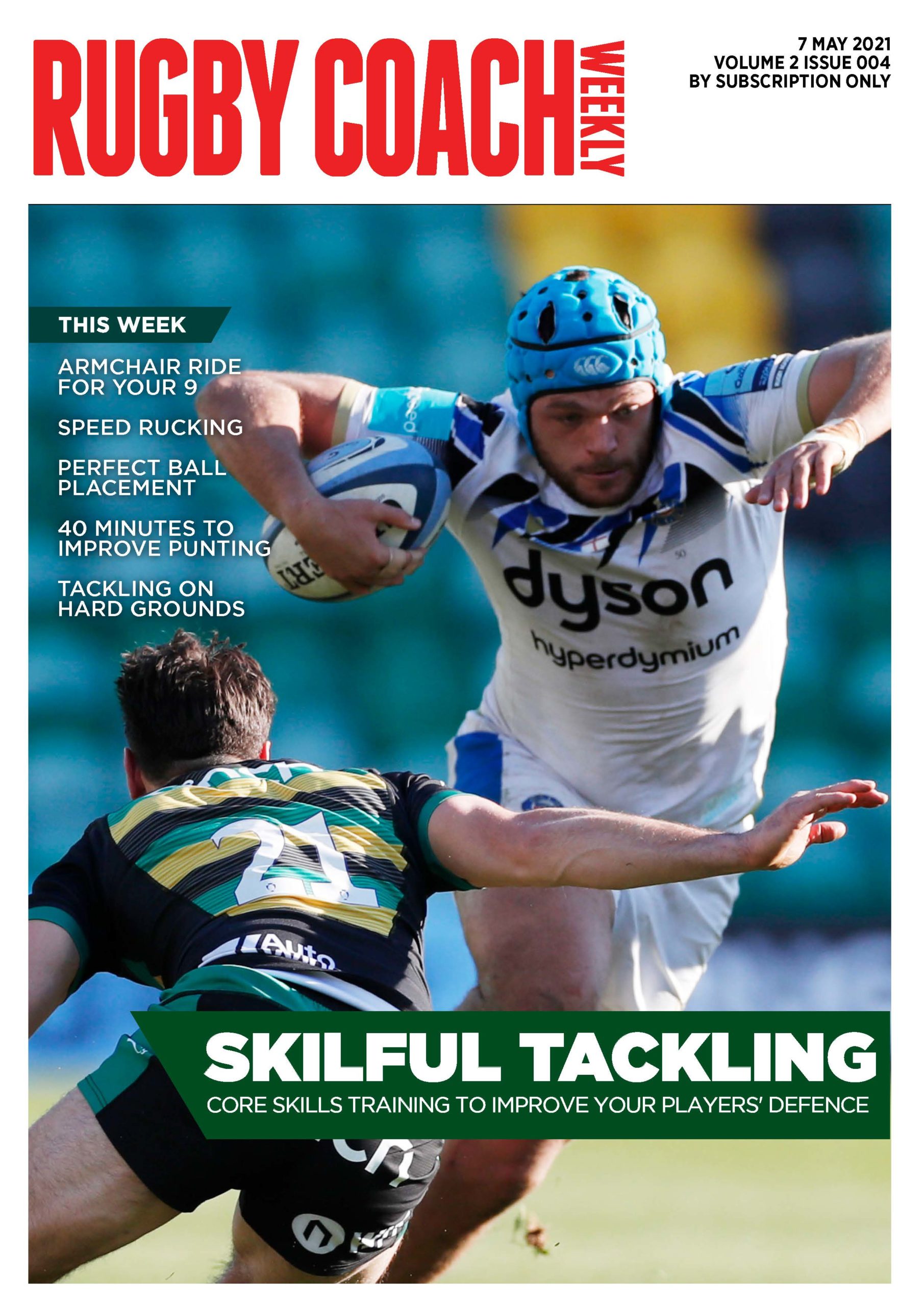
Be a more effective, more successful rugby coach
In a recent survey 89% of subscribers said Rugby Coach Weekly makes them more confident, 91% said Rugby Coach Weekly makes them a more effective coach and 93% said Rugby Coach Weekly makes them more inspired.
Get Weekly Inspiration
All the latest techniques and approaches


Rugby Coach Weekly offers proven and easy to use rugby drills, coaching sessions, practice plans, small-sided games, warm-ups, training tips and advice.
We've been at the cutting edge of rugby coaching since we launched in 2005, creating resources for the grassroots youth coach, following best practice from around the world and insights from the professional game.
