
 close
close


 LOGIN
LOGINRugby Coach Weekly is the largest digital resource for youth coaches, trusted by 15,000+ coaches, teachers and parents every month.
-
Coach with confidence
-
Improve your teams faster
-
Run great sessions with less effort
- Expert coaching advice from TOP Coaches
- Training sessions for players from U6 to U17+.
Goldilocks ruck numbers
Upskill your players’ understanding of their roles at the ruck so they know when to compete for the ball and when to stay out of the ruck.


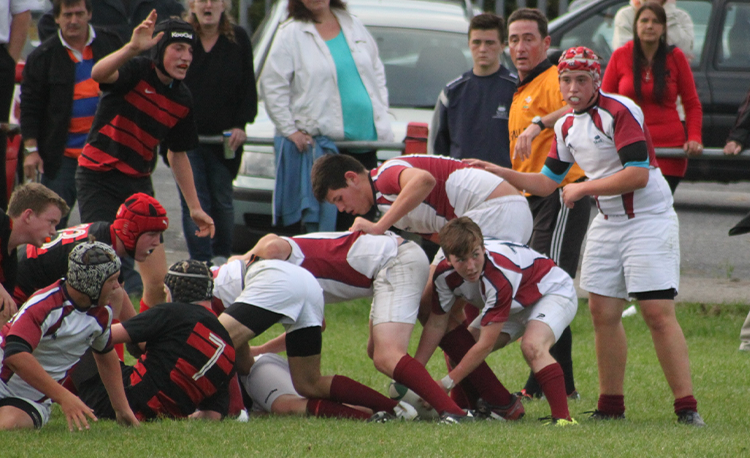
To go or not to go to the next ruck is a constant question most forwards face. Too many players and the ball is slowed down by the mass of bodies and the next breakdown is not well supported.
However, more often, forwards hang back and you lack numbers. Either the ball is lost or slowed down because your forwards are simply driving back defenders.
This is not just a problem for forwards. All players need to support at rucks and that means backs doing their fair share. But heavy forwards make more of a difference in the physical contest and you want to keep your backs on their feet to run at gaps if possible.
BE PRACTICAL
Because the game is made for all shapes and sizes, players come with all levels of fitness. Accept that some forwards will be better ruckers than others, in part because they get to more breakdowns.
In that case, don’t get too obsessive with running complicated patterns of plays with “pods” of forwards clearing out defined rucks. It is better to make players aware of what is in front of them so they can decide whether to ruck or not.
There are three ways to help your players know when to ruck:
1. “Upskill” their rucking
They will be confident of making a difference at a ruck and, therefore, be motivated to make a difference.
Sean Holley’s activity using ruck circles on page 4 helps players assess their right course of action.
2. Improve their match awareness
Show them footage of their matches and ask them to identify where they should be/have been, or freeze a practice match and show players where they are at key times and where they should have been.
3. More live situations
Use training games where players need to decide whether to ruck or not.
The Wallabies talk about “contact motivation” in their preparation for Tests. Help players be ready to ruck, confident to ruck and see the value of rucking. That will improve their ability to know when to ruck.
Gavin Blackburn’s continuous rucking exercise on page 5 enhances player ability to get back into the game and ruck effectively.
The pads reduce the amount of contact, and are no substitute for real rucking. However, they are good for helping players know when to go into rucks.
Related Files

Dan Cottrell
Latest Issue

Subscribe Today
Subscribe Today




Newsletter Sign Up



Coaches Testimonials

Colin Shaw

Gary Lee Heavner
Subscribe Today
Latest Issue
Be a more effective, more successful rugby coach
In a recent survey 89% of subscribers said Rugby Coach Weekly makes them more confident, 91% said Rugby Coach Weekly makes them a more effective coach and 93% said Rugby Coach Weekly makes them more inspired.
Get Weekly Inspiration
All the latest techniques and approaches


Rugby Coach Weekly offers proven and easy to use rugby drills, coaching sessions, practice plans, small-sided games, warm-ups, training tips and advice.
We've been at the cutting edge of rugby coaching since we launched in 2005, creating resources for the grassroots youth coach, following best practice from around the world and insights from the professional game.
