
 close
close


 LOGIN
LOGINClarity for your team
In part two of a three-part series, ANDY LONGLEY and ALI TISDALL, from the coachup academy, explore team factors in the art and neuroscience of coaching.
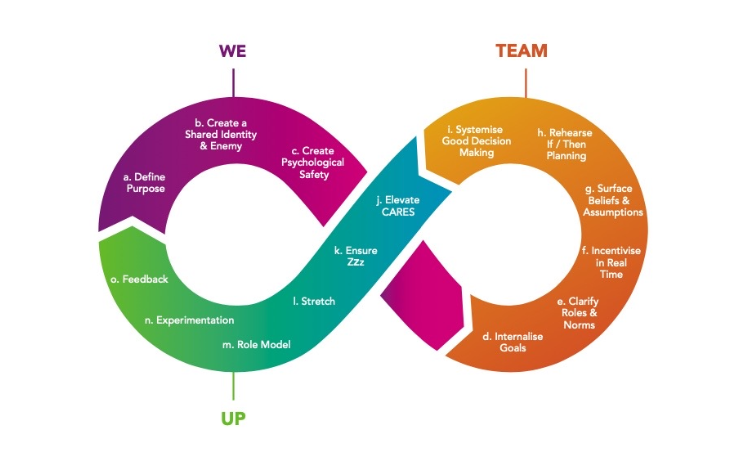
In this three-part series of articles, we are discussing the three-pronged We-Team-Up model of building a high-performing and socially connected team.
Our first piece, which appeared in RCW 120 (July 28th), broke down the We part of that - how a coach uses a shared purpose, identity and relationships to create the required foundations.
This week, we take the next step and explore the Team factors - how a coach uses the clarity of role, goals, incentives, scenario-planning and robust decision-making to create the conditions for optimum team flow.
Team factors
Team play is about creating the conditions for collaborating as a group of players.
These can be broken down into six key factors - goals; role clarity and norms; incentives; surfacing assumptions; ’if, then’ planning; and systemised decision-making.
Let’s look at these in more detail.
Goals
This is all about setting ambition targets to strive towards, and will stimulate both progress and high performance.
Forget SMART goals - nobody ever got out of bed for one of those. Team and individual goals need to be meaningful, near-in-time, stretching, reviewed regularly and celebrated once achieved.
Also, intrinsic goals are much better than extrinsic goals as they sustain over time and through challenge.
Role clarity and norms
Our brains treat uncertainty as a threat, so high-performing coaches strip out uncertainty wherever possible. Being clear on a player’s role - be it on-field or off-field - is also essential.
Leave no room, either, for uncertainty around playing strategy and expected behaviour norms within the group.
A powerful coach question is to ask players ‘What is fuzzy?’ about any chosen area and celebrate those that ask the questions.
One elite coach who has used certainty as a performance strategy is Phil Jackson, the former head coach of the Chicago Bulls and the Los Angeles Lakers in the NBA.
Jackson implemented a coaching philosophy known as ’sacred hoops’, which incorporated elements of mindfulness to create a sense of certainty and trust among his players about what lay ahead in any game.
"The All Blacks have a culture emphasising collective success and team goals..."
Jackson established a clear and consistent team structure, including well-defined roles and expectations for each player.
This sense of certainty helped players focus on their individual responsibilities and contributed to team cohesion and 11 championships.
Incentives
Once we have clarity over what behaviours the team expects and what your norms are as a group, then coaches should incentivise players towards these and be unfailingly consistent.
Asking players what incentives they find attractive is a great way to make them shape your team. You should think very broadly - not all players are motivated by awards.
Consider the All Blacks, one of the most successful rugby teams in history. They have a team culture that emphasises collective success and team goals.
Their famous ’no d*ckheads’ policy focuses on selecting players with strong character and a commitment to the team, first and foremost.
This is rewarded with the opportunity to wear the iconic All Blacks jersey, which is a powerful incentive for players to perform at their best for the good of the team.
Surfacing assumptions
Many a great plan or decision has been flawed because it was built on a stack of assumptions. Great coaches explore a plan or team decision to make sure it is not relying on assumptions and that everyone in the team is on the same page.
Every player has different life experiences so it is natural they will also have different assumptions about, for example, reasons behind a decision, like why they have been asked to play using a certain gameplan.
Be a more effective, more successful youth rugby coach
- Win more games, without sacrificing the crucial element of fun
- Develop every player, regardless of vast differences in ability
- Run a respected, professional programme - even with a full-time job and limited time
Subscribe for full access
Or register and unlock 2 free articles,
receive our weekly newsletter, and
get a FREE coaching e-book.
Or if you are already a subscriber login for full access.

Andy Longley
Latest Issue
Subscribe Today
Subscribe Today



Newsletter Sign Up


Coaches Testimonials

Colin Shaw

Gary Lee Heavner
Subscribe Today
Latest Issue
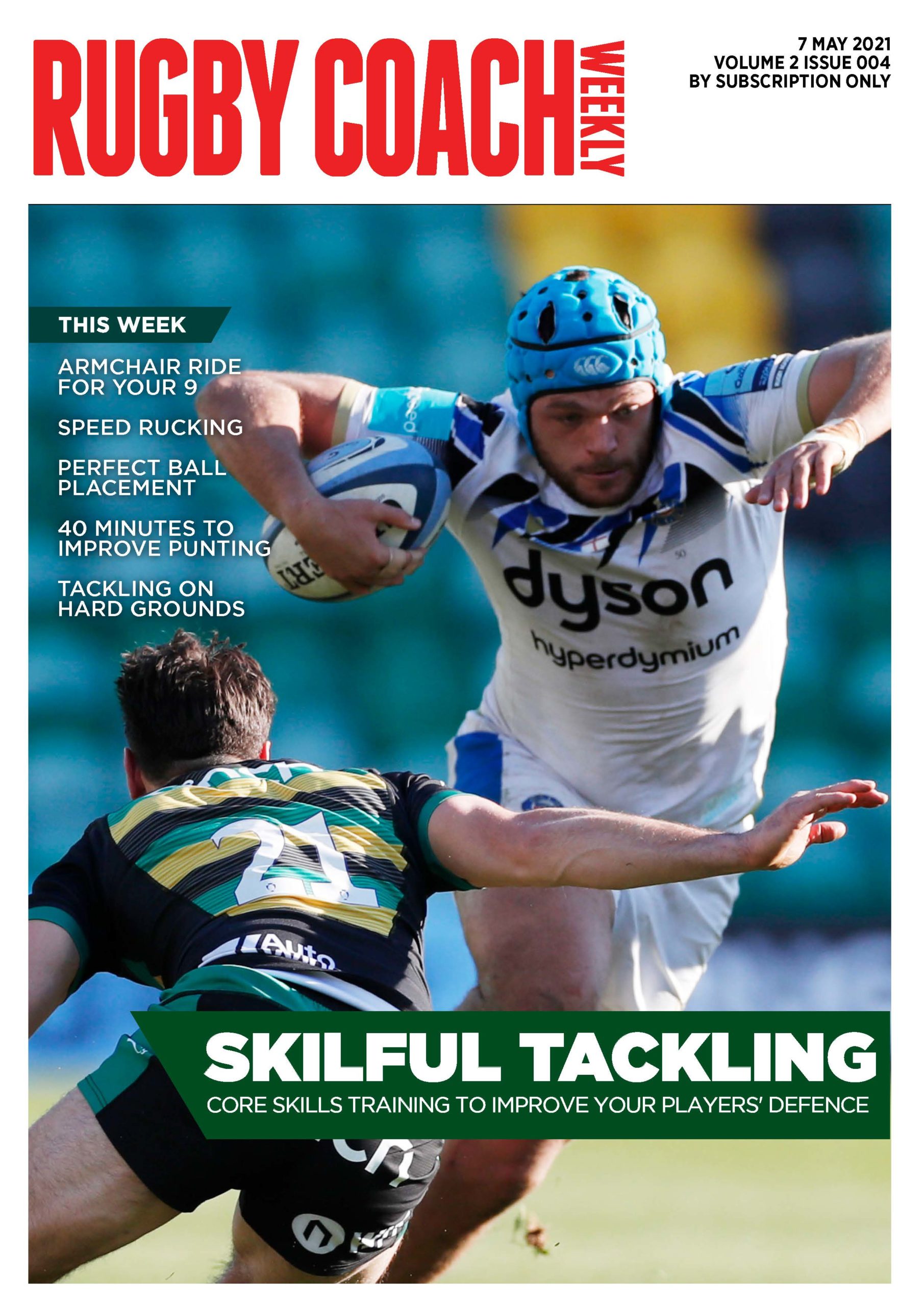
Be a more effective, more successful rugby coach
In a recent survey 89% of subscribers said Rugby Coach Weekly makes them more confident, 91% said Rugby Coach Weekly makes them a more effective coach and 93% said Rugby Coach Weekly makes them more inspired.
Get Weekly Inspiration
All the latest techniques and approaches


Rugby Coach Weekly offers proven and easy to use rugby drills, coaching sessions, practice plans, small-sided games, warm-ups, training tips and advice.
We've been at the cutting edge of rugby coaching since we launched in 2005, creating resources for the grassroots youth coach, following best practice from around the world and insights from the professional game.
