
 close
close


 LOGIN
LOGINSticky fingers
Editor Dan Cottrell adds further context to two sessions.


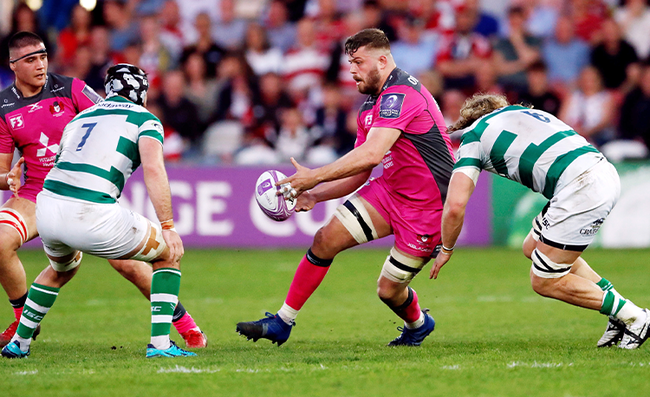
Good handling habits will last players all season. First, we need to identify what these habits are. Then we need to put them in repeatable activities that develop the good ones and identify the bad ones.
However, before we go any further, we must take a reality pill. We know we have good and bad ball handlers. We cannot expect to even up this disparity, even over many seasons. There is no point in overstretching some players who may find it dispiriting to face constant failure.
What we can do is make sure players can do the basics well and under pressure.
There are four good habits:
- Call for the ball. That means using clear, accurate and timely instructions.
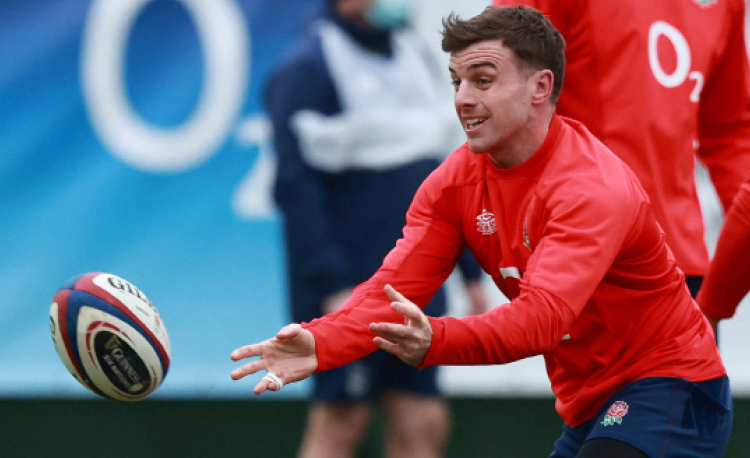
- Be ready to catch the ball. The player doesn’t have to reach for the ball or even have their hands in a “W” shape every time. But their hands must be active and be prepared to take the ball before it goes into the body.
- Pass the ball for the player and not to the player. However the pass is delivered, the ball must be passed in such a way that the receiver is not having to adjust their run, or significantly reach for it.
- Follow through the hands or hand with the pass. This is a good habit to finish the pass. A lot of the technique can look bad before the ball leaves the hands but if the follow through is good, these ills can often be remedied.
You might ask: “What about the details, like hand placement, where on the body the ball is carried, the elbows and so on?” These exact points actually are very much dependent on the body shape, hand size, relative strengths and ability of the player involved. Work on the other habits first before you get lost in these details.
Use Chris Chudleigh’s passing activity on page 4 to work on a good repetitive passing exercise, while I show you how you can develop a passing activity with a difference on page 5.
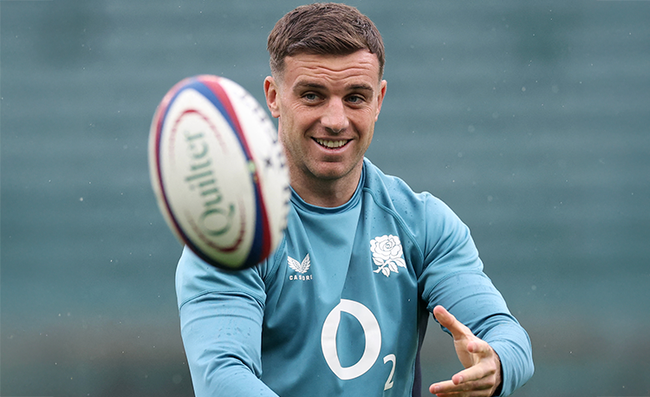
Games to create awareness
Awareness, in rugby terms, is the skill to recognise individual and collective opportunities to support decision-making. You can develop this in training games by creating challenges.
Awareness comes from players thinking before and after each “go” what they will do differently. They’ll consider what they can offer, and how to use it in a game. For example, they might think they are a good handler or runner.
They then think about this in the context of their team-mates. How can they use what skills they have to complement the team goals? Note that they don’t have to have a unique talent, or even be the best in that group. Instead, as a collective, they will be stronger.
That can mean offering the link rather than the finish. In rugby terms, a lock forward may win the lineout, while the winger scores the try that comes from the lineout. Each is aware of their role.
For younger and less-experienced players, piecing all this together is a hard task and one we can easily overburden them with. Instead, have them think in more manageable chunks. Small-sided games can do this with simple goals. For example, the cat-and-mouse game on page 8 gives the attackers a number of ways to gather all the points, using passing, running and evasion. Give the players chances to plan their tactics to win and then reflect on what they can do better next time.
In those tactical discussions, encourage them to focus on what they can do well as a group.
Related Files

Latest Issue

Subscribe Today
Subscribe Today
Newsletter Sign Up
Coaches Testimonials

Colin Shaw

Gary Lee Heavner
Subscribe Today
Latest Issue
Be a more effective, more successful rugby coach
In a recent survey 89% of subscribers said Rugby Coach Weekly makes them more confident, 91% said Rugby Coach Weekly makes them a more effective coach and 93% said Rugby Coach Weekly makes them more inspired.
Get Weekly Inspiration
All the latest techniques and approaches


Rugby Coach Weekly offers proven and easy to use rugby drills, coaching sessions, practice plans, small-sided games, warm-ups, training tips and advice.
We've been at the cutting edge of rugby coaching since we launched in 2005, creating resources for the grassroots youth coach, following best practice from around the world and insights from the professional game.
