
 close


 LOGIN
Reduce penalty count for jacklars
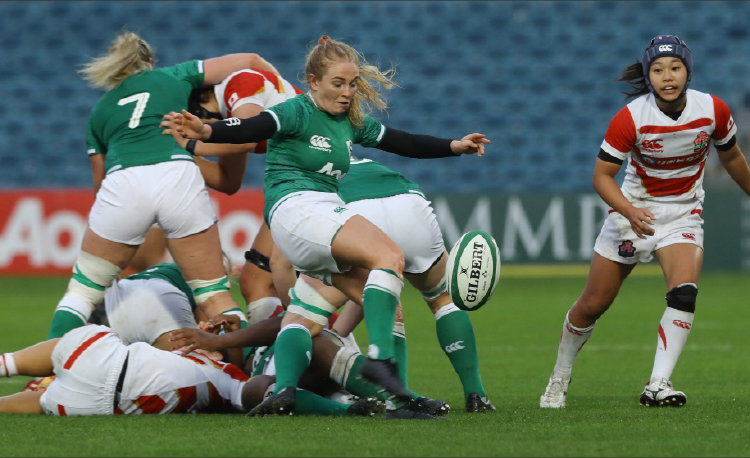
Let’s concentrate on the role of the second player at the tackle – the poacher – and how they can make a real difference, without infringing at the ruck.


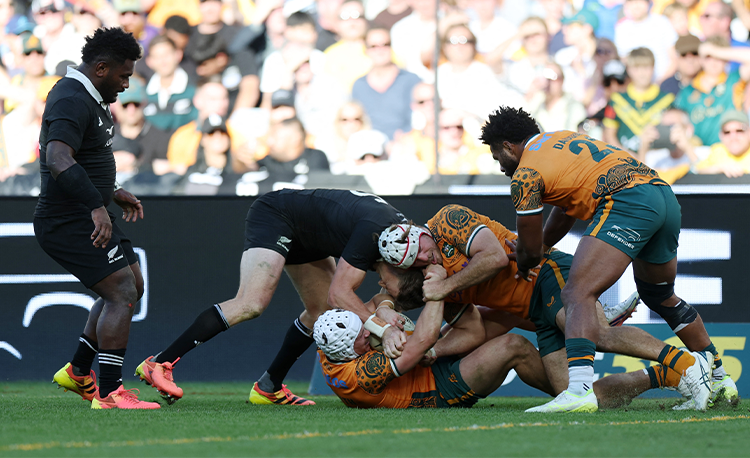
A lot has been made of the referee’s interpretations of what defenders are allowed to do to steal the ball. Whatever YOUR interpretation, the only interpretation of what’s legal is the referee’s. Make sure they are in no doubt that your ball poachers are within their rights.
Around the mid 2000s the term “jackler” was coined. It referred to a defender stealing the ball at the tackle situation. A “tackle turnover” has now become such a badge of honour that every player wants to have a go. The trouble is that, in attempting the steal, players go off their feet or fail to complete the action legally, leaving referees no alternative but to penalise them.
First, let’s set the record straight. Referees play by the same law book, whether they are from north or south of the equator. What they see as right or wrong depends on how they see it at that moment.
You know very well that the referee does not change their mind after they have blown the whistle. And, if they are consistent, then they will continue to interpret the tackle contest the same way throughout the match.
PLAYING THE REFEREE
Now we are clear on that, we have to make our players ready to play to how the referee views the breakdown, not what we believe is right. In fact, sometimes the coaches make sure their players have not “jackled” for the first 20 minutes of the match while they have assessed what the referee wants.
However, there are clear signals we can send to the referee to make sure they are completely happy with the way we play:
1. The “poacher” has to be on their feet.
2. There has to be clear daylight between themselves and the tackled player before they go for the ball. If they have been part of the contact, they should wave their arms in the air or clap to signal to the referee that they are not engaged.
3. They have to be able to retain their own weight. That means they can take their hands off the ground and not fall over. The key technique here is a wide base, bending at the knees with good flexibility around the hips and strong core.
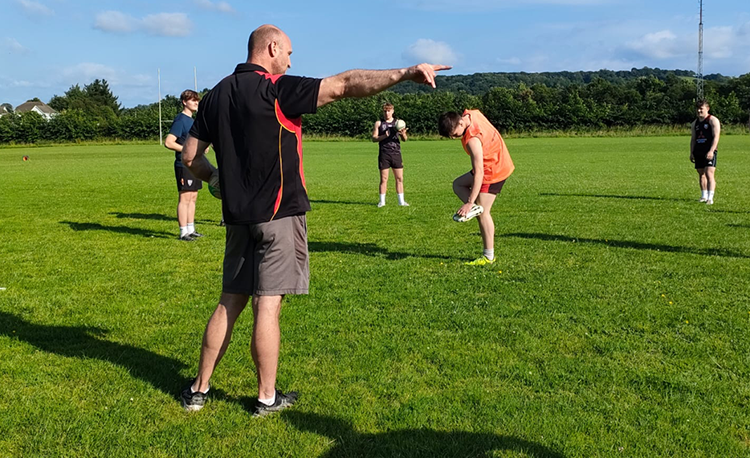
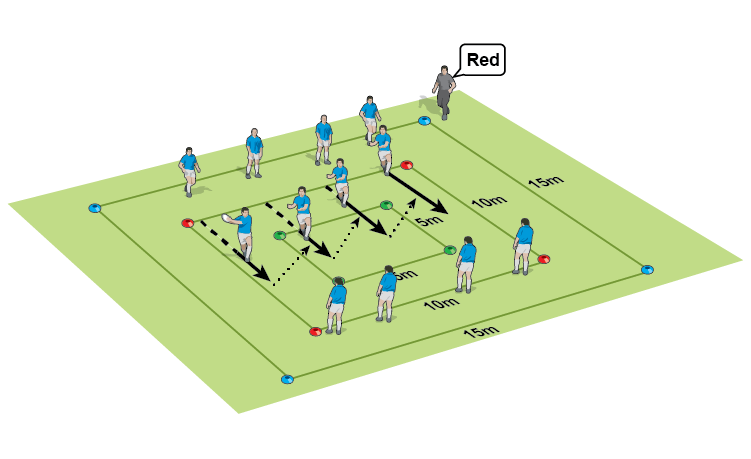
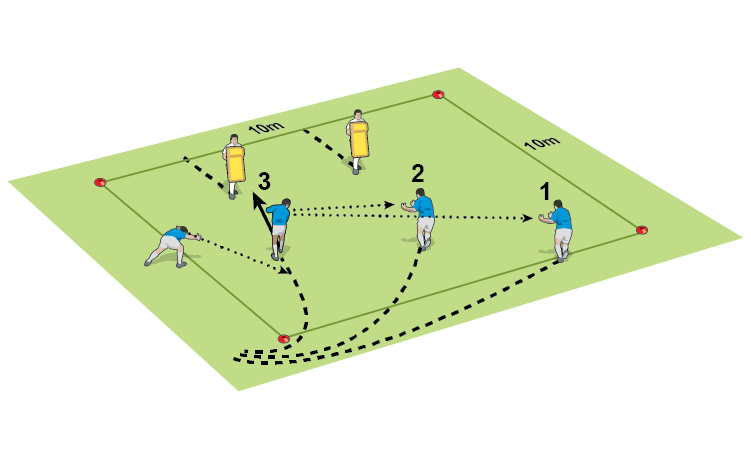
Use the two activities on the next two pages to develop the right body shape to poach the ball and then to win the race for the ball.
Related Files

Latest Issue
Subscribe Today
Subscribe Today
Newsletter Sign Up

Coaches Testimonials

Colin Shaw

Gary Lee Heavner
Subscribe Today
Latest Issue
Be a more effective, more successful rugby coach
In a recent survey 89% of subscribers said Rugby Coach Weekly makes them more confident, 91% said Rugby Coach Weekly makes them a more effective coach and 93% said Rugby Coach Weekly makes them more inspired.
Get Weekly Inspiration
All the latest techniques and approaches


Rugby Coach Weekly offers proven and easy to use rugby drills, coaching sessions, practice plans, small-sided games, warm-ups, training tips and advice.
We've been at the cutting edge of rugby coaching since we launched in 2005, creating resources for the grassroots youth coach, following best practice from around the world and insights from the professional game.
