
 close
close


 LOGIN
LOGINRugby Coach Weekly is the largest digital resource for youth coaches, trusted by 15,000+ coaches, teachers and parents every month.
-
Coach with confidence
-
Improve your teams faster
-
Run great sessions with less effort
- Expert coaching advice from TOP Coaches
- Training sessions for players from U6 to U17+.
Connect to the counter
Editor Dan Cottrell adds further context to two sessions.


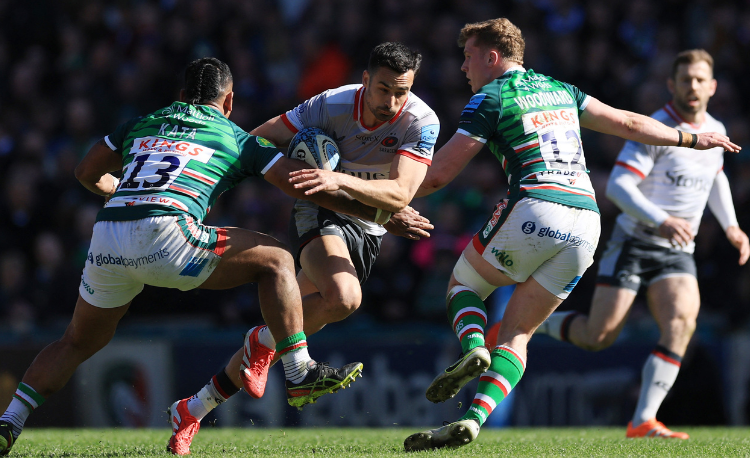
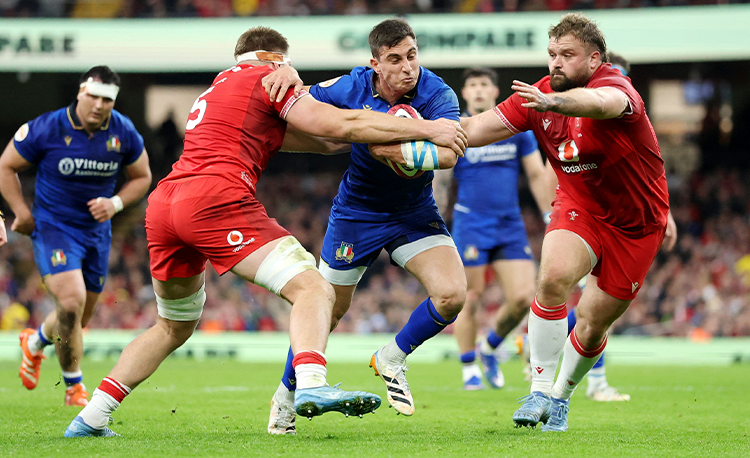
’Counter attack’ can be defined as retrieving a kick and then running that kick back.
Rightly, the main focus in training is on catching that kick, and the movements of the catcher and the immediate support players.
The catcher can attack themselves, or pass to a support player, which immediately moves the point of attack.
Most kick-chases will have one or two front chasers and then a line of defenders, so the decision to pass or run depends on where those defenders are.
Whatever the lines run, or passes made, the other support players need to work out where to run, to connect in the most effective way.
Some will need to be in immediate support, perhaps for a pass, or to help retain possession if the carrier is tackled. Others will need to create some width in the attack.
Width in attack
A chasing team is often exposed. Unless they are extremely disciplined, it’s likely that they will be focused on the ball, leaving gaps on one or both flanks.
That means that the receiving team should exploit those gaps, if they can.
This width might be exposed from the initial attack. The catcher runs forward, engaging the chasers – that draws in the defence.
If other attackers can position themselves in the wide channels, two quick passes can create possible mismatches, or simply a space to attack.
Therefore, some of the ball carrier’s supporters should run towards them. Others should run into positions to attack wide.
Practising the counter attack
So much of the role of the support player depends on the kick and the relative positions of all the other players.
To practise the roles of support players, I would start with two things:
- A quick drawing: Either on a flip chart or just a piece of note paper, draw out the initial and final positions for players, so they can understand the shape they want to aim for.
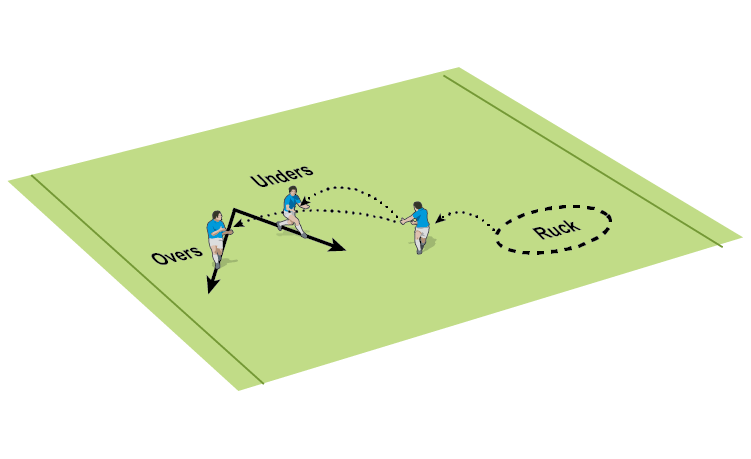
- Walkthrough: In a very small area, I would get the players to walk through where they would go. For example, in a 20m box, position them as they would be for a set piece or phase play. Then, throw the ball to one of the backfield players – they walk into the most effective counter-attacking positions.
Trying to make it more realistic, and especially with just one side’s worth of players, I use this session.
Randomise the potential starting points, plus mix up who’s going to attack. If a team expects to counter attack, they will be already moving into position, whereas, in reality, they only think that at the last moment.
A challenge with time, not solutions
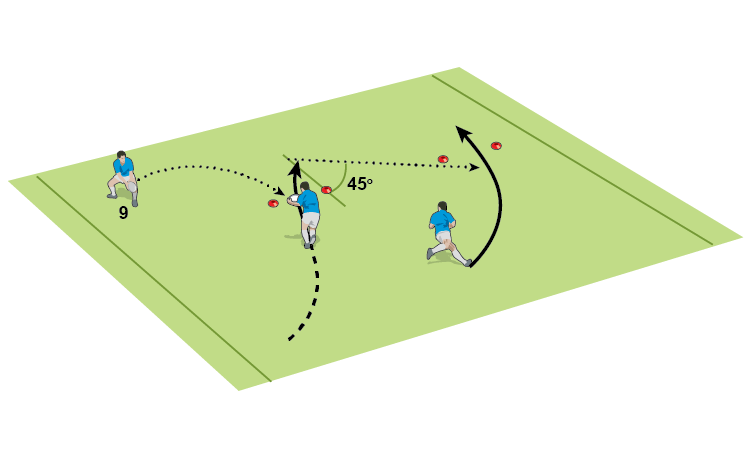
In this session, I’ve set up a backs move session. I’m planning to introduce a new play to players, which I hope will be part of their backs moves armoury.
Traditionally, backs moves are practised unopposed for quite a while before they are put into game contexts. They are only moved onto these game-realistic situations once they have been ’mastered’.
Yet we all know, from experience, that they are rarely mastered, and players often struggle to complete the play under sustained pressure in training.
Does that mean backs moves don’t work much of the time? Not at all.
It’s often that, when they work in matches, it’s because players have the confidence to use them, adjust their running lines based on the defence in real time, and, hence, find the gaps in the defence.
In other words, timing is based on what happens in front of them. Because the players are comfortable dealing with that, they can adjust quickly, and penetrate the opposition defence.
That’s why the session tries to get the move into a game context as soon as possible. The downside of this approach is that players might not possess the right techniques in the first place.
The most common problem is often inaccurate passing. You can mitigate for this by gradually increasing the size of the attack area.
Also, you can give players support during the session on technical improvements. They can reflect on these and perhaps focus some of their extra training on improving.
For example, your 10 might be a weaker passer with their left hand. You now have something you can remind them to work on before training.
But don’t focus on it during the moves’ training. Just adjust for what they can do.
Related Files

Dan Cottrell
Latest Issue

Subscribe Today
Subscribe Today

Newsletter Sign Up
Coaches Testimonials

Colin Shaw

Gary Lee Heavner
Subscribe Today
Latest Issue
Be a more effective, more successful rugby coach
In a recent survey 89% of subscribers said Rugby Coach Weekly makes them more confident, 91% said Rugby Coach Weekly makes them a more effective coach and 93% said Rugby Coach Weekly makes them more inspired.
Get Weekly Inspiration
All the latest techniques and approaches


Rugby Coach Weekly offers proven and easy to use rugby drills, coaching sessions, practice plans, small-sided games, warm-ups, training tips and advice.
We've been at the cutting edge of rugby coaching since we launched in 2005, creating resources for the grassroots youth coach, following best practice from around the world and insights from the professional game.
