
 close
close


 LOGIN
LOGINReturn to play needs more winning and losing

Rugby is missing real competition.
Whilst we can see how competition can sometimes hinder development, especially when coaches only prioritise work in sessions to achieve this goal, it must be said that without it lurking in the background, sessions feel a bit detached.
Let's think about the RFU approach to age-grade rugby: Player-Centred, Development-Driven, Competition-Supported. Right now, we have the perfect conditions for player-centred sessions due to the small number of players we can work with as part of a group.
Our sessions should always be Development-Driven, and we should be planning for our players to leave every session having developed either Physically, Tactically, Technically or Mentally in some shape or form.
What's missing is any traditional form of competition, that is fixtures against other sides to support our development.
"But," I hear you cry, "Competition means winning and losing and without this we can focus on improving our players."
We need to consider why competition is seen as part of developing players.
- Any sport attracts inherently competitive people, part of their 'why' for taking part will be to compete against others. To fulfil this drive, we need to offer some form of competition.
- Competition provides us with a way to encourage development, think of any team that makes a new signing, often the media will comment that the increased competition for a shirt will bring the best out of players. This encourages players to develop their own skills to 'win' competitions.
- Finally, suppose we believe that the game is a teacher. In that case, competitive games give us a feedback-rich environment from which players can learn. It can encourage creative problem solving, as players compete for new and innovative ways to deal with issues the game presents.
ADDING COMPETITION
So, how can we add some competition to our sessions without playing other teams? Over a course of articles, I'll share some ideas to implement into your sessions. Here, we will look at inter-club competitions.
One easy way to add some competition into your sessions is to add some inter-squad or inter-club games. Using Ready4Rugby, it's possible to get some easy, quick games played in your sessions.
You might even choose to split your team up and have a one session festival as part of a session. For teams with smaller numbers, it might be that playing against other age groups at your club might provide some competition, especially for younger age groups to prove a point!
Remember when planning these that there can only be 20 players in a group per session, so careful planning will be needed to ensure these take place in COVID-secure environments.
WORKED EXAMPLE
Here's how I recently carried out one of these with a squad of twenty players.
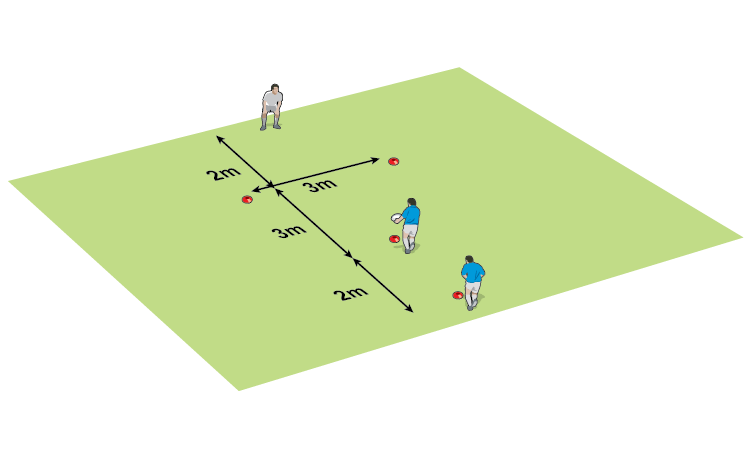
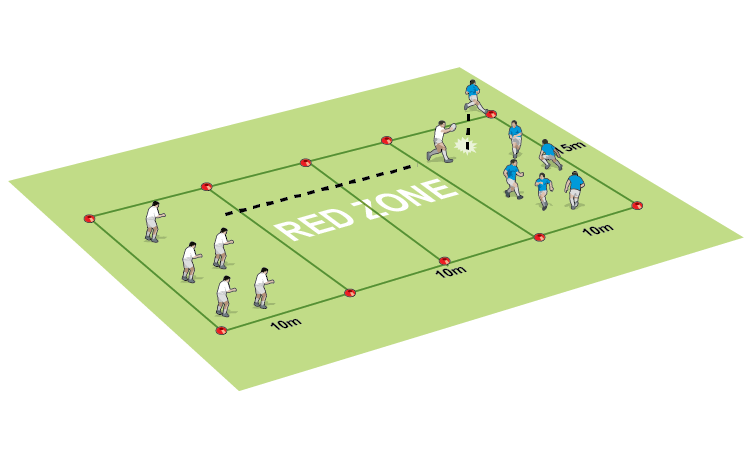
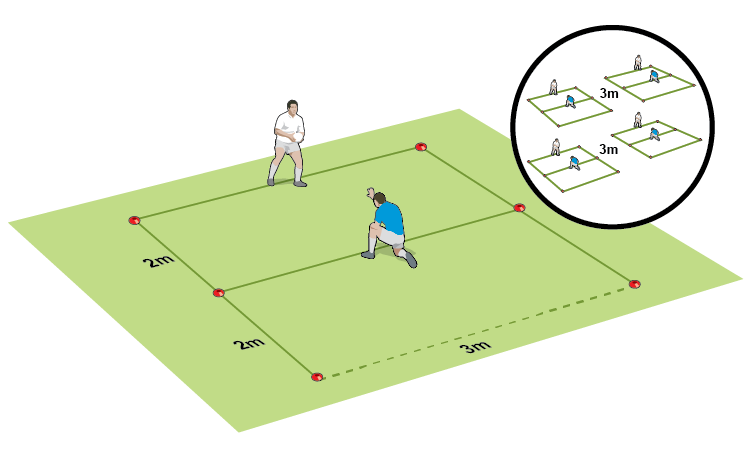
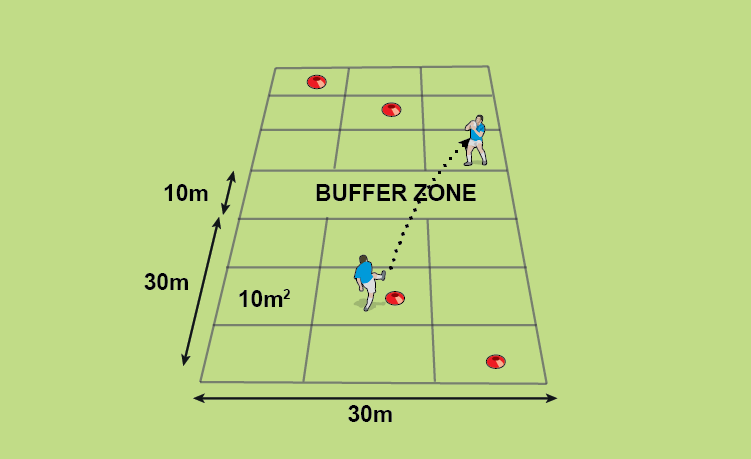
- Split the twenty into four teams of five and have two games going on at the same time.
- Use 7 minute games, with 3 minutes between each game to allow feedback to players and allow them to get a drink. This fits into a 30-minute slot.
- The teams were picked at random, with a couple of players shifted around to ensure that we didn't end up with one overpowered team.
OUTCOMES
This was a really enjoyable session and a lot of the benefits, such as problem-solving.
There were a few players who got upset because they weren't winning. However, as a coach, this provided an invaluable opportunity to have discussions with players to understand their motivations and frustrations. Why don't they like losing? What can they do to ensure it is something they avoid in future?
Running these types of sessions are valuable sources of information to you as a coach, but also allows players to play in a competitive environment.
Next time out, we will discuss another strategy we could use to encourage competition in our sessions: a "sports" day.
Be a more effective, more successful youth rugby coach
- Win more games, without sacrificing the crucial element of fun
- Develop every player, regardless of vast differences in ability
- Run a respected, professional programme - even with a full-time job and limited time
Subscribe for full access
Or register and unlock 2 free articles,
receive our weekly newsletter, and
get a FREE coaching e-book.
Or if you are already a subscriber login for full access.

Ged Hall
Latest Issue

Subscribe Today
Subscribe Today

Newsletter Sign Up
Coaches Testimonials

Colin Shaw

Gary Lee Heavner
Subscribe Today
Latest Issue
Be a more effective, more successful rugby coach
In a recent survey 89% of subscribers said Rugby Coach Weekly makes them more confident, 91% said Rugby Coach Weekly makes them a more effective coach and 93% said Rugby Coach Weekly makes them more inspired.
Get Weekly Inspiration
All the latest techniques and approaches


Rugby Coach Weekly offers proven and easy to use rugby drills, coaching sessions, practice plans, small-sided games, warm-ups, training tips and advice.
We've been at the cutting edge of rugby coaching since we launched in 2005, creating resources for the grassroots youth coach, following best practice from around the world and insights from the professional game.
