
 close
close


 LOGIN
LOGINTarget ball
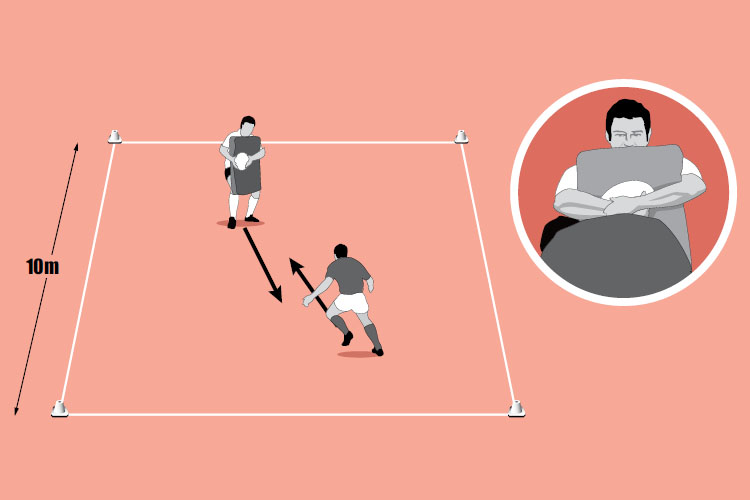
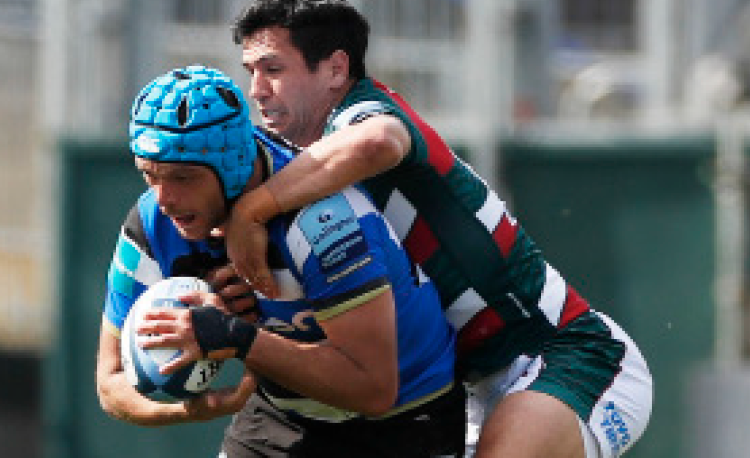
There are currently two fashionable tackles: The chop, where the tackler “chops” the legs of the ball carrier and a ball tackle, where the tackler aims to put his shoulder and/or arms on the ball, thus preventing an offload. This is sometimes known as the “choke” as well. It requires a different set of footwork, because the angle of attack is upwards, rather than horizontal.
Warm up time: 5-7
Session time: 8-10
Development time: 10-15
Game time: 10-15
Warm down time: 5-8
What to think about
Targeting the ball is a good tactic to use when the defensive line is organised. In the event of a mis-timed tackle there is someone else to fill in. Targeting the ball can be part of a two-man tackle. Normally, the inside tackler (the player closest to the source of the ball) makes the low tackle and the other player tackles at ball height. A ball target tackle is, however, susceptible to handoffs and good footwork. The tackler has to stay balanced before the tackle but once he makes his decision, he has to drive from low to high to reduce the chances of a hand-off.set-up
- Get your leading foot close to the ball carrier - and drive low and then up at the ball.
- Attack the ball, either with the shoulder or arms.
What you get your players to do
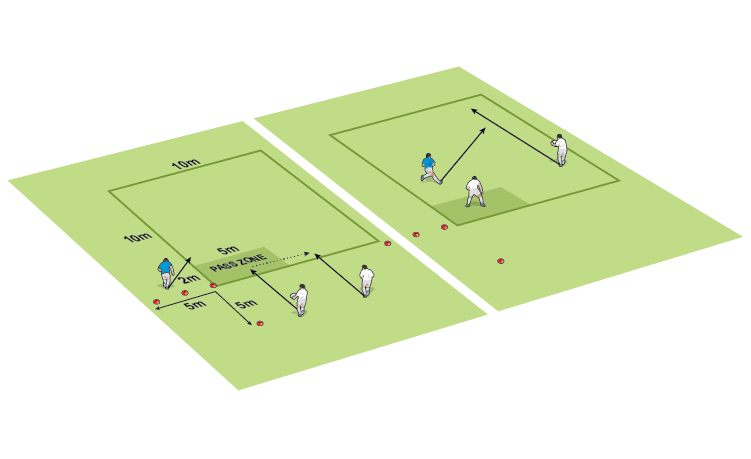
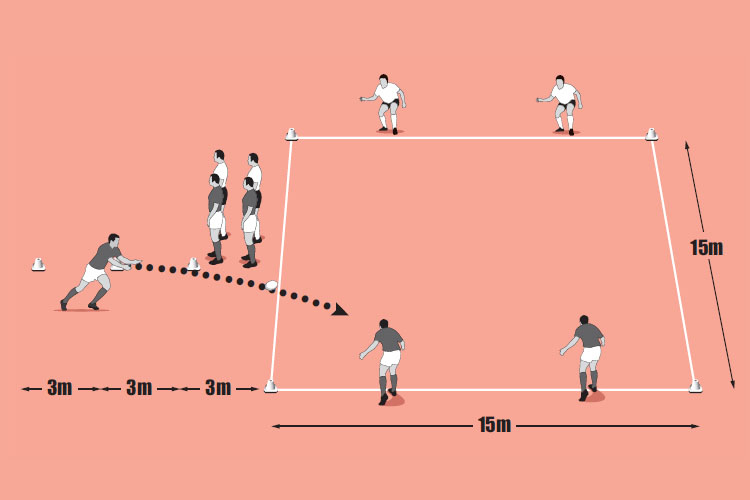
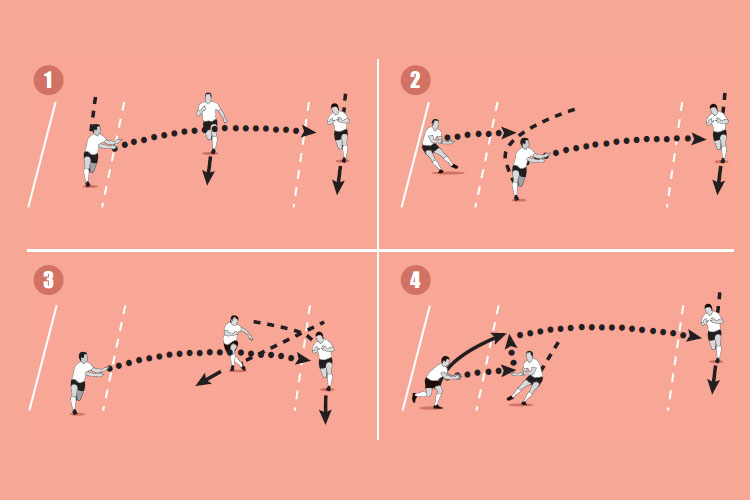
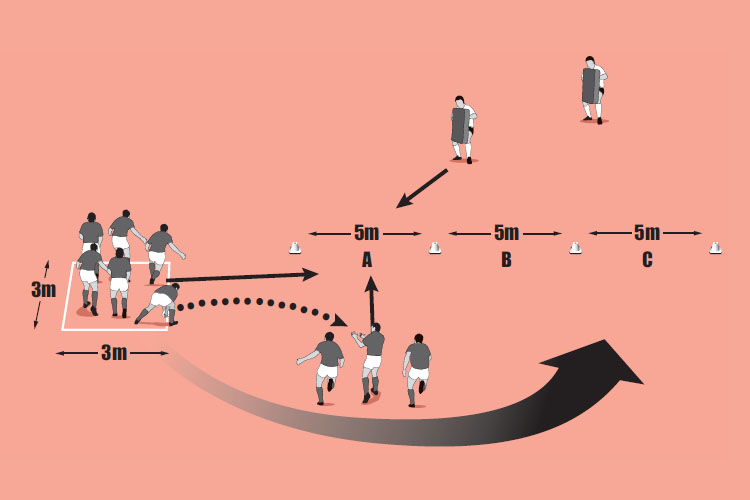
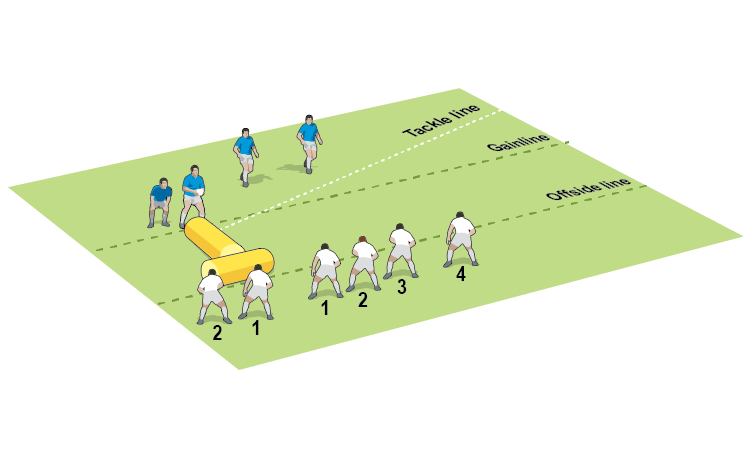
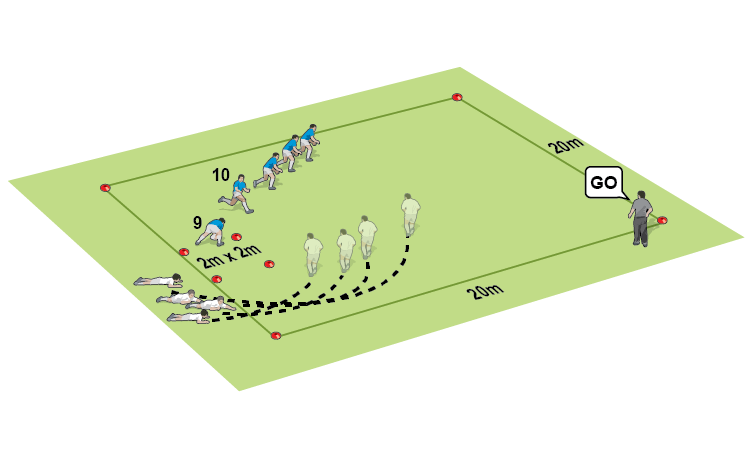
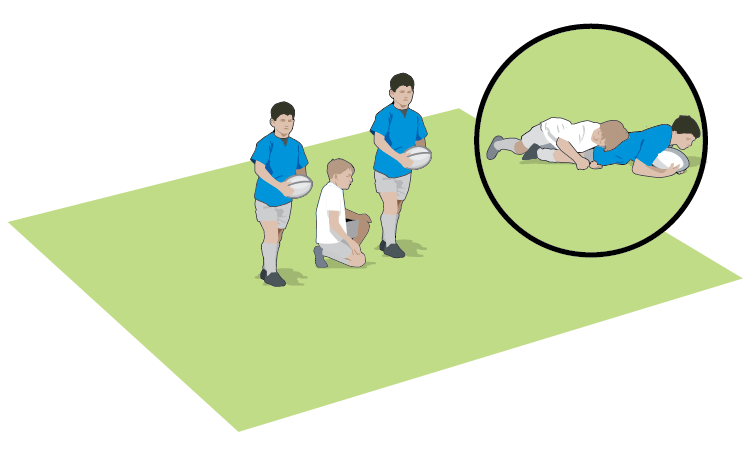
Start with a player holding a ball, with a ruck pad sandwiched between his body and the ball. He runs into a 10m box and the defender has to target the ball with his shoulder or arms. Start the defender from the side, or at an angle coming from behind or in front (see picture 1). Progress this by having one ruck pad holder come into the box followed about three seconds later by another, so the defender has knock out two balls.Be a more effective, more successful youth rugby coach
- Win more games, without sacrificing the crucial element of fun
- Develop every player, regardless of vast differences in ability
- Run a respected, professional programme - even with a full-time job and limited time
Subscribe for full access
Or register and unlock 2 free articles,
receive our weekly newsletter, and
get a FREE coaching e-book.
Or if you are already a subscriber login for full access.

Dan Cottrell
Latest Issue
Subscribe Today
Subscribe Today
Newsletter Sign Up
Coaches Testimonials

Colin Shaw

Gary Lee Heavner
Subscribe Today
Latest Issue
Be a more effective, more successful rugby coach
In a recent survey 89% of subscribers said Rugby Coach Weekly makes them more confident, 91% said Rugby Coach Weekly makes them a more effective coach and 93% said Rugby Coach Weekly makes them more inspired.
Get Weekly Inspiration
All the latest techniques and approaches


Rugby Coach Weekly offers proven and easy to use rugby drills, coaching sessions, practice plans, small-sided games, warm-ups, training tips and advice.
We've been at the cutting edge of rugby coaching since we launched in 2005, creating resources for the grassroots youth coach, following best practice from around the world and insights from the professional game.
