
 close
close


 LOGIN
LOGINRugby Coach Weekly is the largest digital resource for youth coaches, trusted by 15,000+ coaches, teachers and parents every month.
-
Coach with confidence
-
Improve your teams faster
-
Run great sessions with less effort
- Expert coaching advice from TOP Coaches
- Training sessions for players from U6 to U17+.
Firm feet in the scrum


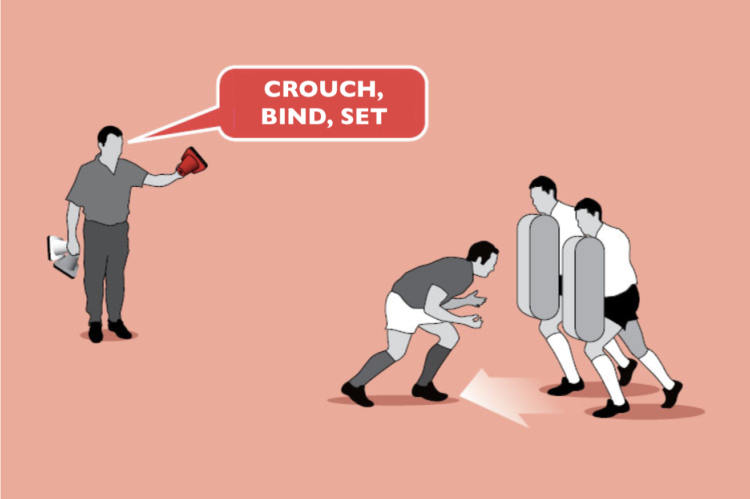
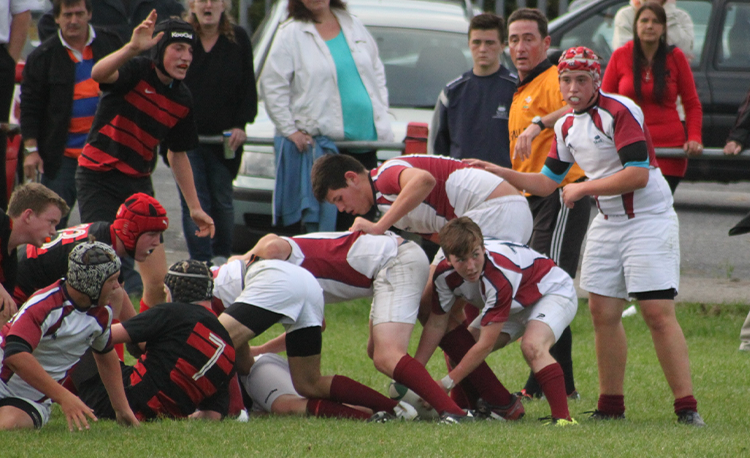
A lot of time is spent on foot positioning before the scrum engages, but once engaged there are lots of situations for the forwards to react to. The instability of the scrum means feet might need to go forwards, backwards or sideways. This will help set a stronger platform.
Warm up time: 5
Session time: 6-9
Development time: 8-12
Game time: 15-20
Warm down time: 7
What to think about
The feet transmit the power from the ground, through the body and on to the bind, either with a team mate or the opposition. The most powerful position to push from is with both feet on the ground at the same time, shoulder width apart and under the hips. All scrummagers need to fight to retain this position.set-up
- Aim to keep your feet moving and pressing through the ground.
- Use your feet to keep your hips square.
What you get your players to do
Put two players with ruck pads opposite another player – an arm’s distance away. Hold up a coloured cone to indicate what the ruck pad holders should do on engagement. For example: push forwards, left, right or backwards. Go through the engagement sequence, CROUCH, BIND, SET. On “SET”, the ruck pad holders move in the way indicated by which cone you hold up. Scrummage for five seconds before swapping the players around.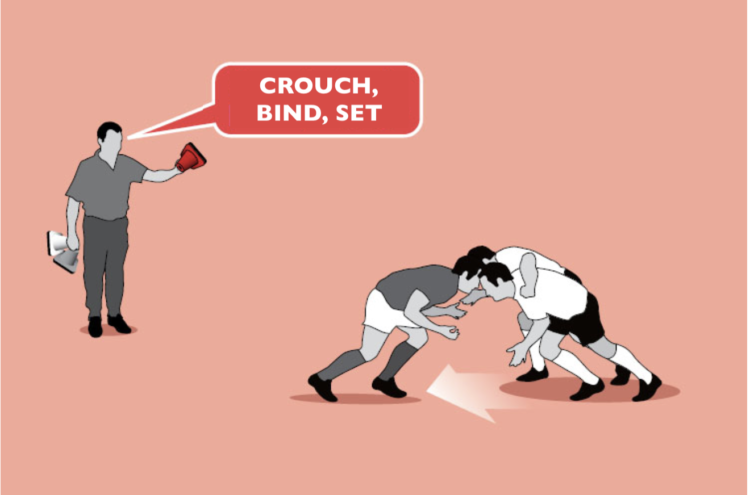
Development
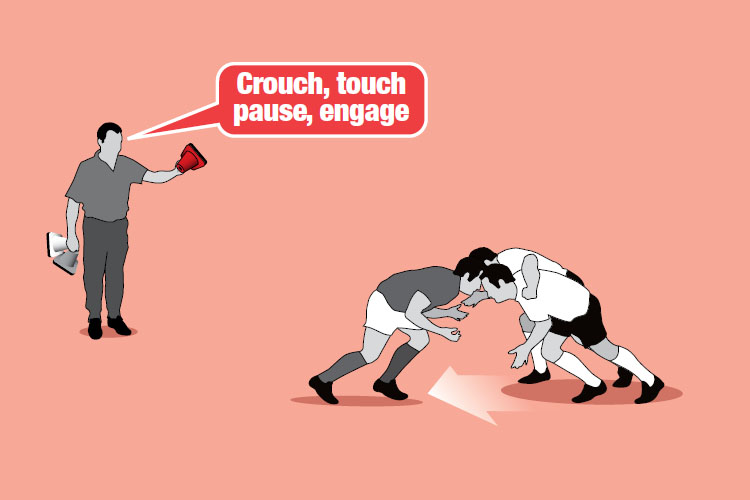
Two players bind together facing another player. Repeat the same exercise as above. The two players bound together should try and apply steady pressure or give, but not aim to “win” the engagement and push. The key focus is on the each player adopting the correct position in contact.Related Files
Game situation
Split into two groups of three. This first group has one in the front row and two in the second row, while the other has two in the front row and one in the second row. Slowly follow through the engagement sequence and scrummage for five seconds. Since there is some instability from the situation, it is inevitable that both sets of players will need to use good upper body strength and footwork to remain stable.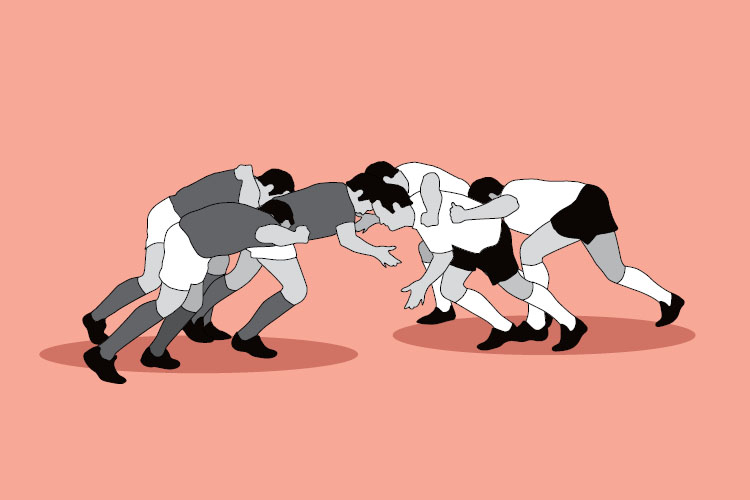
What to call out
- “Don’t get stuck with your feet, keeping them moving”
- “Short, steady, purposeful steps”
- “Don’t leave your feet behind your hips”

Dan Cottrell
Latest Issue

Subscribe Today
Subscribe Today
Newsletter Sign Up

Coaches Testimonials

Colin Shaw

Gary Lee Heavner
Subscribe Today
Latest Issue
Be a more effective, more successful rugby coach
In a recent survey 89% of subscribers said Rugby Coach Weekly makes them more confident, 91% said Rugby Coach Weekly makes them a more effective coach and 93% said Rugby Coach Weekly makes them more inspired.
Get Weekly Inspiration
All the latest techniques and approaches


Rugby Coach Weekly offers proven and easy to use rugby drills, coaching sessions, practice plans, small-sided games, warm-ups, training tips and advice.
We've been at the cutting edge of rugby coaching since we launched in 2005, creating resources for the grassroots youth coach, following best practice from around the world and insights from the professional game.
