
 close
close


 LOGIN
LOGINRugby Coach Weekly is the largest digital resource for youth coaches, trusted by 15,000+ coaches, teachers and parents every month.
-
Coach with confidence
-
Improve your teams faster
-
Run great sessions with less effort
- Expert coaching advice from TOP Coaches
- Training sessions for players from U6 to U17+.
Score tries with slow wingers
Even if you don’t have speedsters, you can still score tries on the flanks by working on “holding your feet”, stressing defences and using good core skills to exploit spaces.


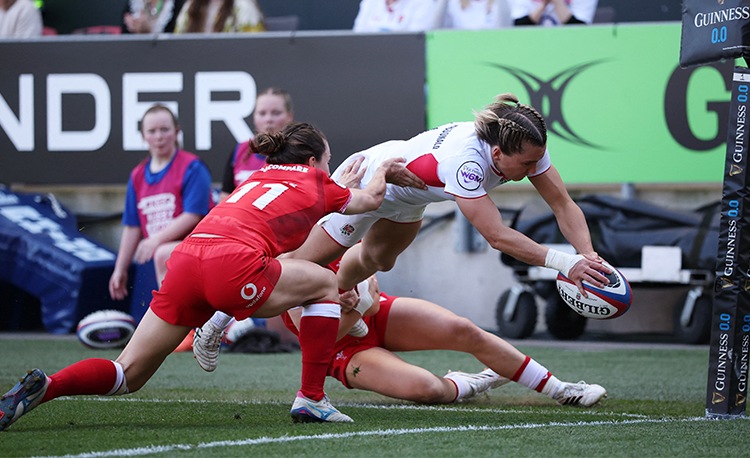
When you don’t possess quicker wingers or centres, it seems logical to concentrate on scoring through forwards. However, you can still score tries out wide by using simple tactics and executing basic skills well.
Create overlaps
To score wide, create and execute overlaps. That means having more attackers on their feet in front of fewer defenders. With the best will in the world, few sides can finish off 5v4s, so you want to be forcing situations where there are 3v2s or even better 3v1s. See Ian Diddams’ activity on page 6 to create great overlaps.
Stress defences
The first way to create overlaps is to stress a defence. That is, put so much pressure on one area that they need to put more resources into one part of the pitch, leaving spaces elsewhere. Do this by attacking their weakest defenders or a couple of concerted attacks into one area.
Hold your feet
Once there is a chance for an overlap, the ball carrier must not take up too much space in front of them and allow the last defender to get in their face. It is a balance of running straight and passing early enough to engage the defence so they don’t drift too quickly.
Play flat and fast
If your backs are slow, they need to play closer to the gain line. That means using hard and fast passes and good handling skills. A good miss pass can make a real difference here. See Colin Ireland’s page 5 activity on how to make successful miss passes.
Keep your powder dry
Finally, you will have one player who is faster than the others. Keep them on their feet and out of the action until you need to use them. You could stress a defence by using them once, then get them out of there to use in two phases’ time.
Common understanding
Every player needs to know how you hold defences, create space and execute the plays to go wide. Make sure there is a common language and understanding so when the opportunities do arise, all the players have a clear plan.
Related Files

Dan Cottrell
Latest Issue

Subscribe Today
Subscribe Today



Newsletter Sign Up



Coaches Testimonials

Colin Shaw

Gary Lee Heavner
Subscribe Today
Latest Issue
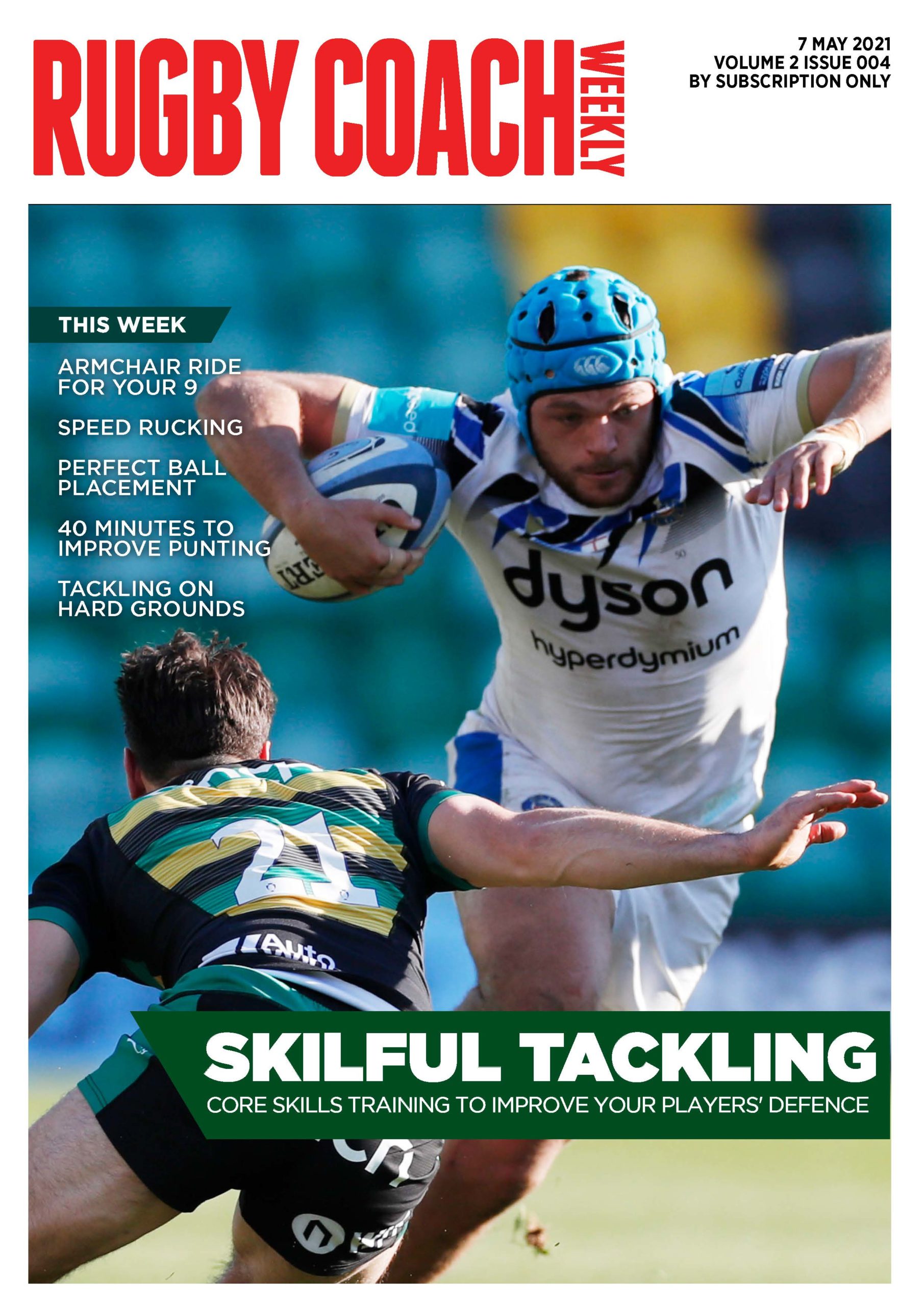
Be a more effective, more successful rugby coach
In a recent survey 89% of subscribers said Rugby Coach Weekly makes them more confident, 91% said Rugby Coach Weekly makes them a more effective coach and 93% said Rugby Coach Weekly makes them more inspired.
Get Weekly Inspiration
All the latest techniques and approaches


Rugby Coach Weekly offers proven and easy to use rugby drills, coaching sessions, practice plans, small-sided games, warm-ups, training tips and advice.
We've been at the cutting edge of rugby coaching since we launched in 2005, creating resources for the grassroots youth coach, following best practice from around the world and insights from the professional game.
