
 close
close


 LOGIN
LOGINThree tips for better match day tackling
I asked Peter Tann, a qualified sports psychologist and rugby coach, for some tips to introduce new and inexperienced players to tackling. Peter's insights can, of course, apply to all players, notably those returning to the game having had their interest reignited.
1. Unproven players
Tackling is about three key elements:
- Judgement.
- Timing.
- Courage.
With new players it is the first two elements that will need particular attention. Players need to be helped to understand what they should be looking to do when making a tackle.
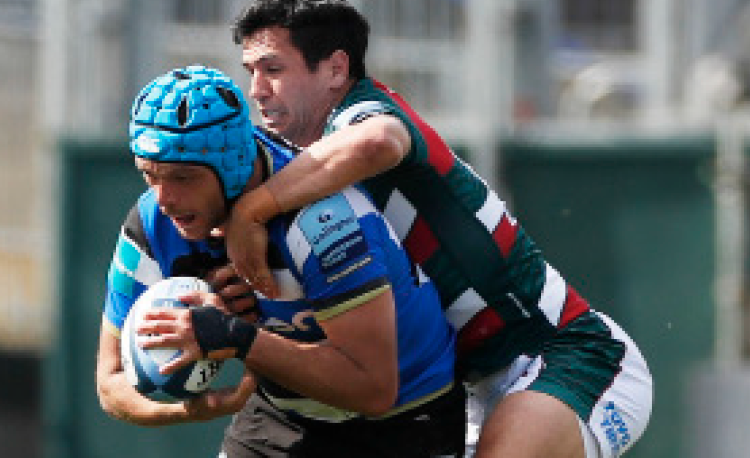
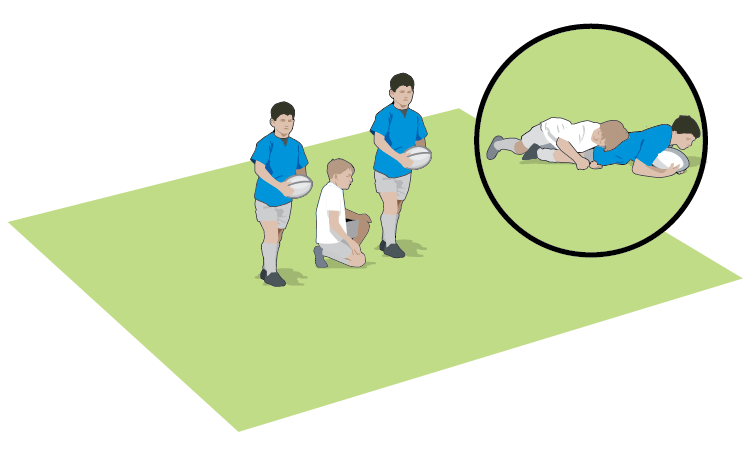
I often encourage new players to make contact and then simply "hold on" until another player arrives to help them complete the tackle. I find this reduces the anxiety caused by the player feeling that they must tackle as well as "the best". They know that help is on its way and that by "holding on" they are contributing to the team's defence.
Remember, however, that different players can be very effective tacklers in different ways. For example, you rarely saw Neil Back, the openside flanker and world cup winner with England in 2003, dumping someone on their back in the tackle, but you also rarely saw him miss a tackle.
2. Training
Many players tackle well in training rugby, but not so well in matches. One reason for this is familiarity - the players know what their team mates are capable of and so are more willing to get "stuck in" during training.
Bags are pretty passive and soft, unlike someone charging towards you. I tend to get away from bags as soon as possible. Instead:
- Include a live tackle practice in every session.
- Give the players a limited range of things to focus on. It is very easy to overload players with too much information. I also use plenty of praise and encouragement.
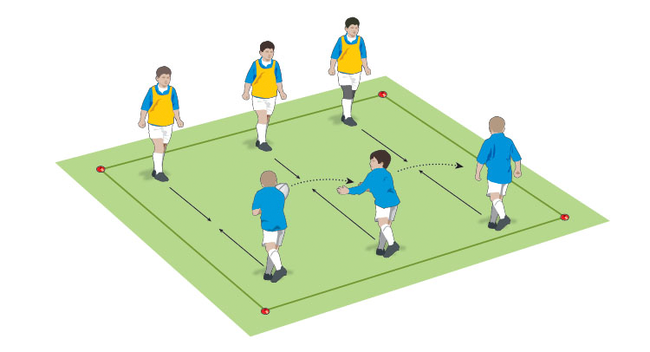
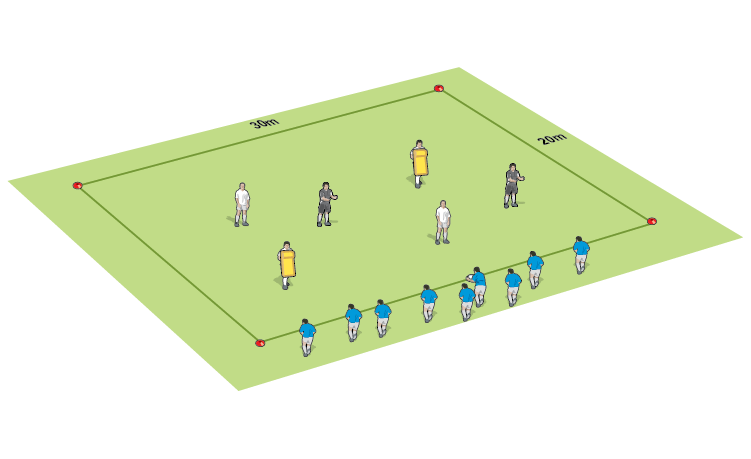
- Play tackling games. I usually start with 1 v 1s, so the players can work and improve together. But don't let the attacking player have a huge run up!
3. Match day
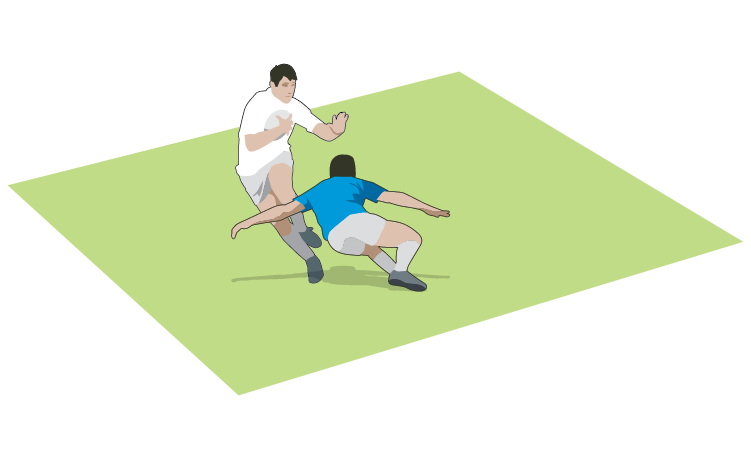
When it comes to match days, I include live tackling as part of our warm-up drills. The players being tackled should run at about 70% pace over a short distance and should not try to evade the contact.
The emphasis here is to practice tackling technique and focus all players on the on-coming physical confrontation.
If you're looking for more warm-up ideas for your contact drills, try my Ultimate Rugby Warm-Ups Manual. Containing more than 100 quick, easy and fun ways to start your sessions, the manual will cover all your warm-up requirements for seasons to come. Click here for more details.
Be a more effective, more successful youth rugby coach
- Win more games, without sacrificing the crucial element of fun
- Develop every player, regardless of vast differences in ability
- Run a respected, professional programme - even with a full-time job and limited time
Subscribe for full access
Or register and unlock 2 free articles,
receive our weekly newsletter, and
get a FREE coaching e-book.
Or if you are already a subscriber login for full access.

Dan Cottrell
Latest Issue

Subscribe Today
Subscribe Today
Newsletter Sign Up
Coaches Testimonials

Colin Shaw

Gary Lee Heavner
Subscribe Today
Latest Issue
Be a more effective, more successful rugby coach
In a recent survey 89% of subscribers said Rugby Coach Weekly makes them more confident, 91% said Rugby Coach Weekly makes them a more effective coach and 93% said Rugby Coach Weekly makes them more inspired.
Get Weekly Inspiration
All the latest techniques and approaches


Rugby Coach Weekly offers proven and easy to use rugby drills, coaching sessions, practice plans, small-sided games, warm-ups, training tips and advice.
We've been at the cutting edge of rugby coaching since we launched in 2005, creating resources for the grassroots youth coach, following best practice from around the world and insights from the professional game.
