
 close
close


 LOGIN
LOGINRugby Coach Weekly is the largest digital resource for youth coaches, trusted by 15,000+ coaches, teachers and parents every month.
-
Coach with confidence
-
Improve your teams faster
-
Run great sessions with less effort
- Expert coaching advice from TOP Coaches
- Training sessions for players from U6 to U17+.
Boost effectiveness of your tight-head prop
Size isn’t everything when it comes to a successful pack – technique counts for a lot too, as France’s 2011 World Cup forwards coach Didier Retiere explains.


You don’t always need to have the biggest players in your pack to be successful.
Technique and power can compensate for lack of size, as we proved at the 2011 World Cup.
The French props were among the smallest there, but I boosted our success rate in two simple ways.
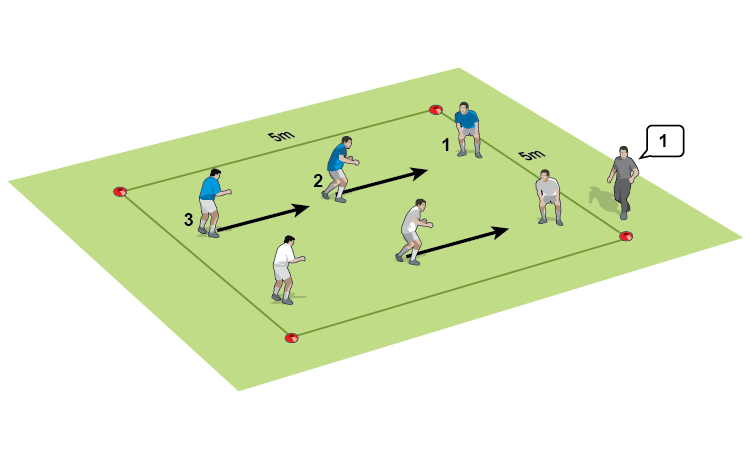
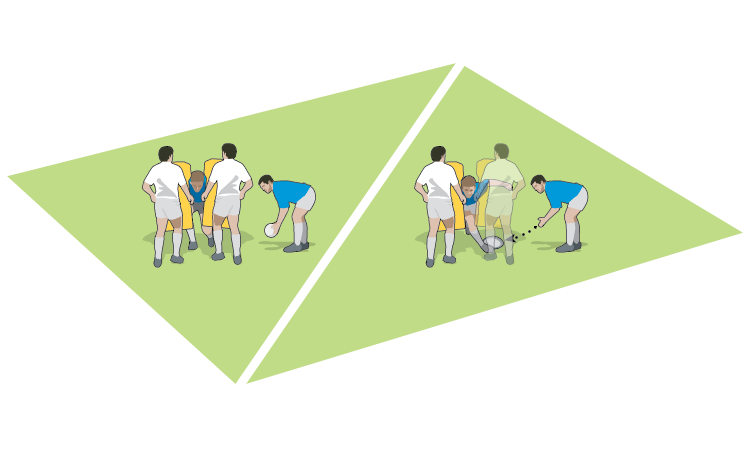
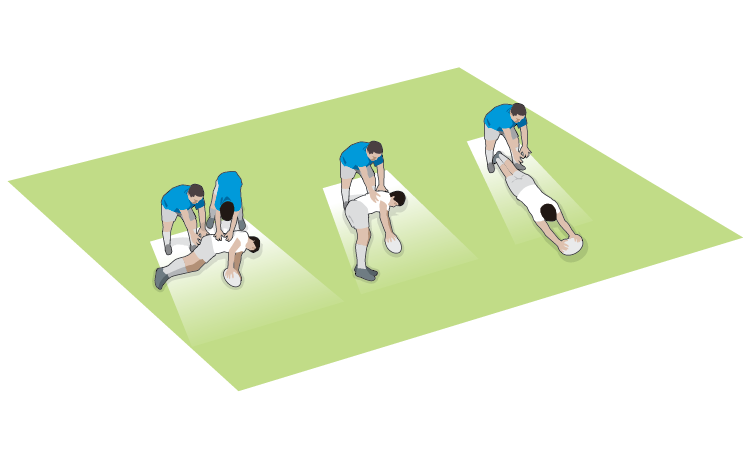
The first was to get the props scrummaging without a hooker in training, to see if they were in the correct body shape (see the first of two illustrations).
If the tight-head prop is not straight, we quickly see their problem. When I was coaching this technique to some experienced props in Argentina, one asked me to translate this into English twice, because they did not believe I wanted them to do it.
Sometimes in training sessions, I even asked players not to bind onto each other across the rows. We can then correct bad body positions more easily.
When I first introduced this idea, the players were amazed. However, they soon understood the reasoning.
Before a tight-head binds onto the hooker, they have to consider their own body position when engaging with the opposition. There is a danger that, in trying to bind tightly to the hooker, they lose their shape. I like to take the All Black approach – body position comes first, then the bind.
Since the tight-head bind on the hooker is the most important (they face two players, unlike the loose-head), they should bind first.
My second tweak is for the tight-head prop to bind onto the shorts of the hooker and the loose-head onto the jersey (see the second illustration).
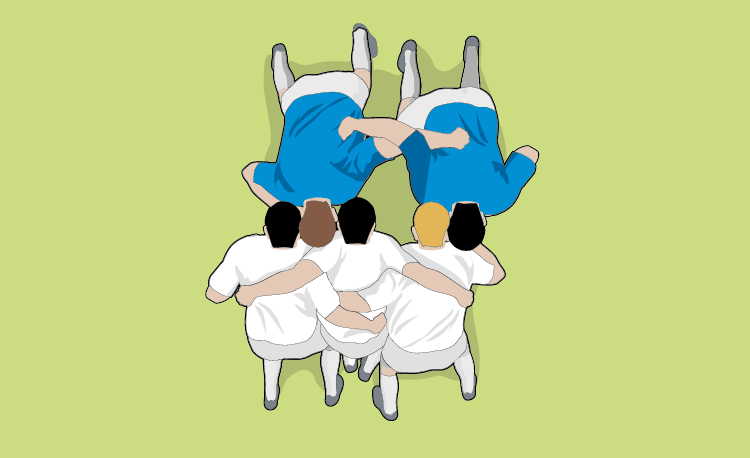
Get props to engage without a hooker to diagnose any faults in body shape
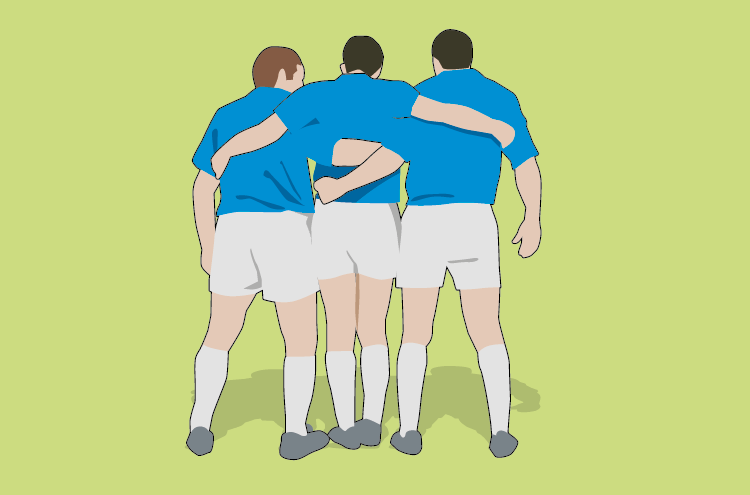
Tight-head grabs the top of the hooker’s shorts; loose-head grabs the hooker’s shirt
Pick the right prop for the job
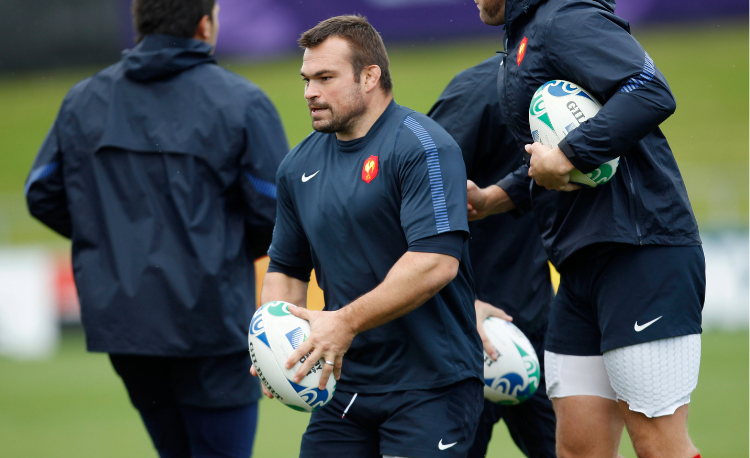
We delivered the best service to the backs with clean ball at RWC 2011.
You have to balance picking scrummaging props against props who can fit into a style of play around the field.
If we picked big players, they may have struggled to move into the positions we wanted during phase play or defence so we went for mobile props who could scrummage low.
They had to have flexible ankles and bodies to get themselves in the right shapes to do this.
Our second rows are not big men either. They also have to be flexible and work very closely with the front row.
So close did the tight five become that the scrum acted as one player.
Related Files

Dan Cottrell
Latest Issue
Subscribe Today
Subscribe Today
Newsletter Sign Up
Coaches Testimonials

Colin Shaw
Gary Lee Heavner
Subscribe Today
Latest Issue
Be a more effective, more successful rugby coach
In a recent survey 89% of subscribers said Rugby Coach Weekly makes them more confident, 91% said Rugby Coach Weekly makes them a more effective coach and 93% said Rugby Coach Weekly makes them more inspired.
Get Weekly Inspiration
All the latest techniques and approaches


Rugby Coach Weekly offers proven and easy to use rugby drills, coaching sessions, practice plans, small-sided games, warm-ups, training tips and advice.
We've been at the cutting edge of rugby coaching since we launched in 2005, creating resources for the grassroots youth coach, following best practice from around the world and insights from the professional game.
