
 close
close


 LOGIN
LOGINRugby Coach Weekly is the largest digital resource for youth coaches, trusted by 15,000+ coaches, teachers and parents every month.
-
Coach with confidence
-
Improve your teams faster
-
Run great sessions with less effort
- Expert coaching advice from TOP Coaches
- Training sessions for players from U6 to U17+.
4 different ways to build a scrum for the new season


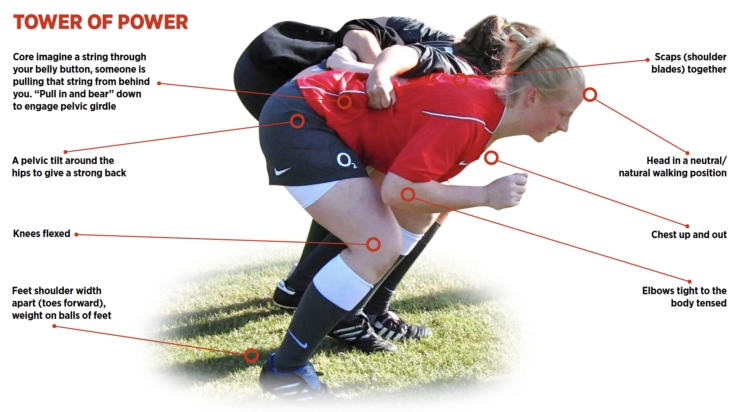
I have been working with the RFU to see how the scrum is developing at the grassroots level and it’s clear that it’s in rude health and a key part of the game. There are four themes coming out of my findings.
01 SHOULDERS POPPED OUT AND SQUARE
Referees focus more on where the inside shoulders of the props are prior to the SET call. If the loose-head tucks their right shoulder behind their hooker or the tight-head tucks their left shoulder, the referee will assume something “evil” is about to happen.
If both props focus on pushing their inside shoulders out and square, it takes the pressure off the referee and they will then focus on the opposition props. And, as we will see below, it makes sense to keep square to maintain the strongest pushing position.
02 YOUR OWN PERSONAL SHAPE
Most new coaches forget that every player in the scrum has a different optimal “Tower of Power” shape. For example, the optimal shape for a tight-head prop is to get into the tower-of-power shape but have their right hand away in front of their body, bound onto their opponent’s shirt and their left hand out to the side binding on the hooker.
When coaching your players, make sure you make them strong and safe in their own personal shape. That means working on more than just the basic tower of power.
03 REGATHER YOUR SHAPE
Once your players have learned their own personal tower-of-power shape, make them get into a position which is not their best shape and then make them get back into it as quickly and as safely as possible.
For example, when pushing against another player, ask your player to push but don't move their legs. Once they get near to full extension, ask them to stop, then get back to their optimal shape – bring the knees forward while keeping them close to the ground, scapulas (shoulder blades) back, head in neutral and so on – before pushing again. Then repeat.
04 STRIKE THE BALL
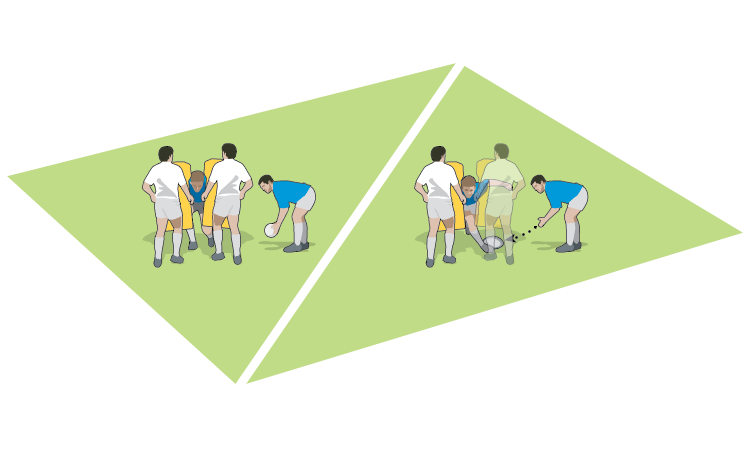
Strike the ball If you are under pressure in the scrum on your own ball, nothing gets the ball out quicker than a really good strike to your No.8. If the player cannot strike the ball effectively, the scrum is going to take longer and you will have real problems at the base.
If more players were able to strike the ball effectively, many of the issues we are seeing in the professional game would not occur as the ball would be away from the scrum before the collapse.
My tip is that your 9 and 2 practise the strike before a match, perhaps using a rugby post to lean on. Timing and rhythm will make a lot of difference.
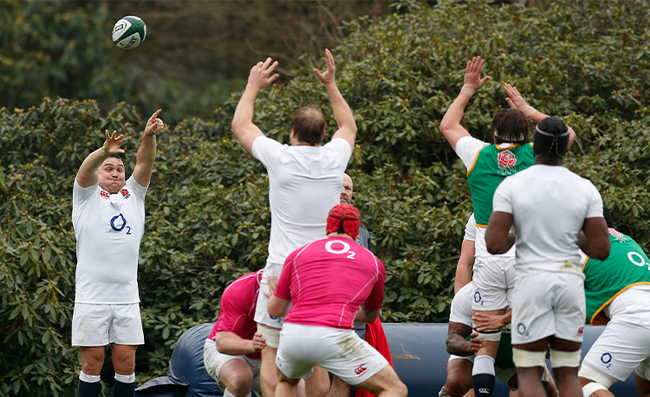
Examples of England training to regain their shape
Latest Issue
Subscribe Today
Subscribe Today
Newsletter Sign Up
Coaches Testimonials

Colin Shaw

Gary Lee Heavner
Subscribe Today
Latest Issue
Be a more effective, more successful rugby coach
In a recent survey 89% of subscribers said Rugby Coach Weekly makes them more confident, 91% said Rugby Coach Weekly makes them a more effective coach and 93% said Rugby Coach Weekly makes them more inspired.
Get Weekly Inspiration
All the latest techniques and approaches


Rugby Coach Weekly offers proven and easy to use rugby drills, coaching sessions, practice plans, small-sided games, warm-ups, training tips and advice.
We've been at the cutting edge of rugby coaching since we launched in 2005, creating resources for the grassroots youth coach, following best practice from around the world and insights from the professional game.
