
 close
close


 LOGIN
LOGINRugby Coach Weekly is the largest digital resource for youth coaches, trusted by 15,000+ coaches, teachers and parents every month.
-
Coach with confidence
-
Improve your teams faster
-
Run great sessions with less effort
- Expert coaching advice from TOP Coaches
- Training sessions for players from U6 to U17+.
8 ways to create a lion-hearted defence
When you are on your own try line, it needs a mix of good technique, savvy tactics and plenty of guts and determination to keep the opposition out. Here are eight key tips.


1. Keep the gaps smaller
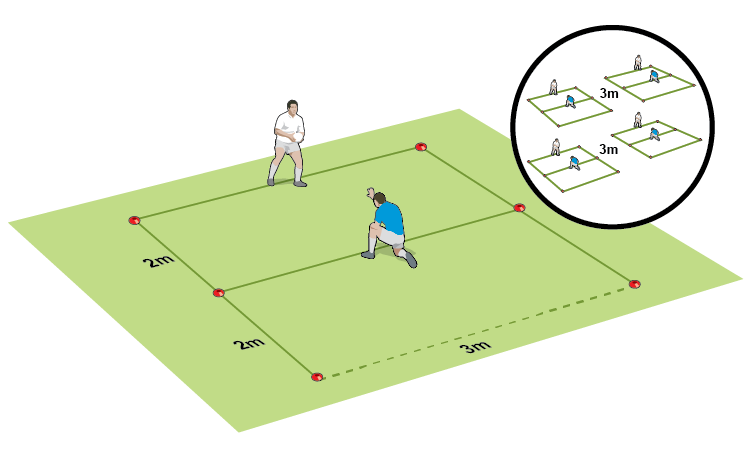
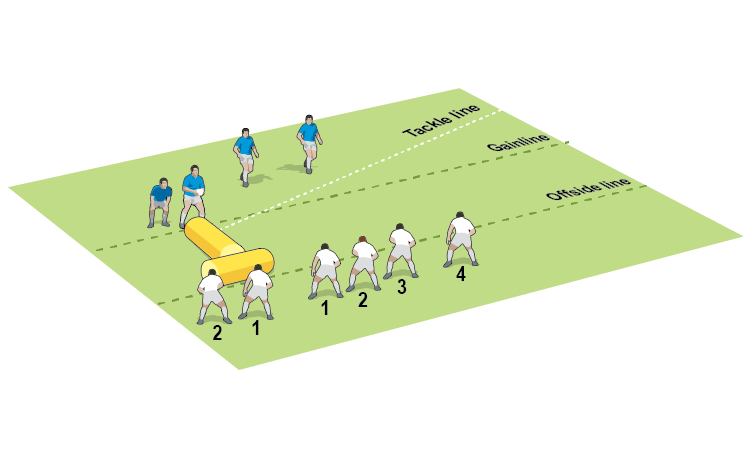
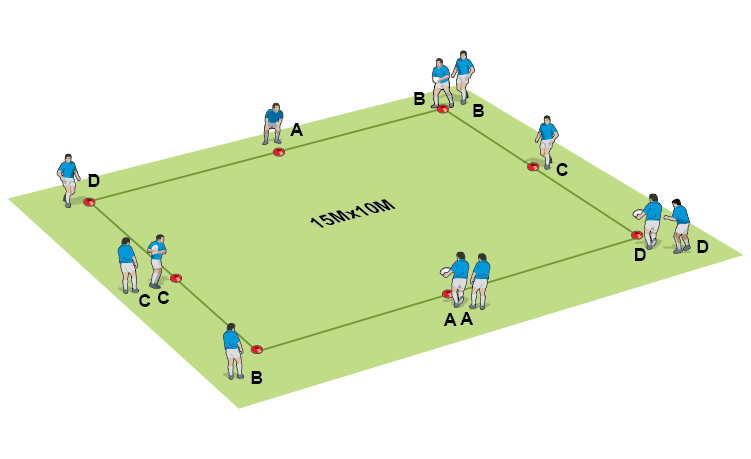
At the edges of rucks, players must be almost shoulder to shoulder then only an arm’s distance apart as you move away (see picture 1B). If the attack passes the ball out wide, then because of your line speed, they will have to pass deeper, giving you a chance to drift if necessary.
2. Use a three-point stance
The players at the edges of rucks should be very low, like American Football linemen and therefore in a three-point stance (see picture 1A).
This means they can come forward quickly and very low.
3. Reorganise quickly with 9 as boss
With multiple attacks close to the line, the 9 must boss players to get back on their feet and fill in the gaps. The other players must listen and be ready to get to either side of the ruck to protect the line (see picture 1C).
4. Chop the ball carrier
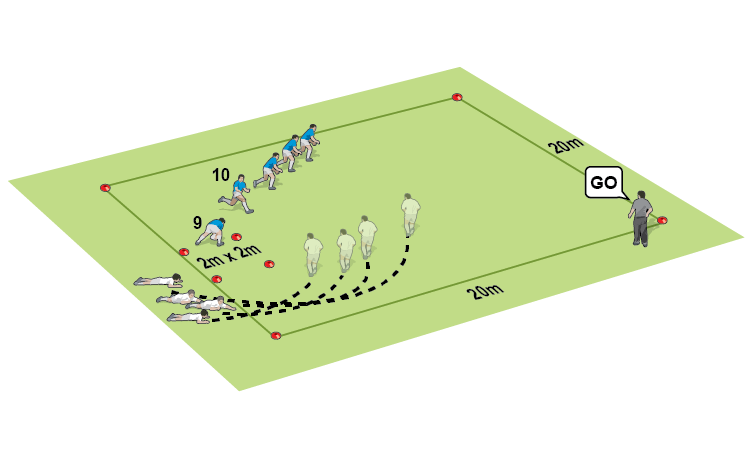
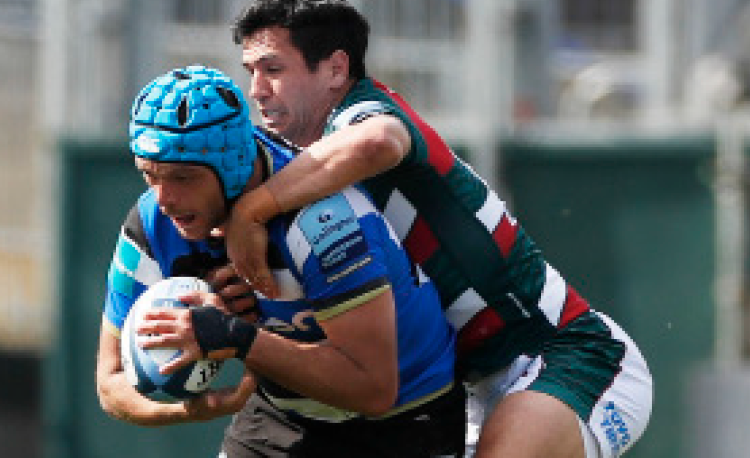
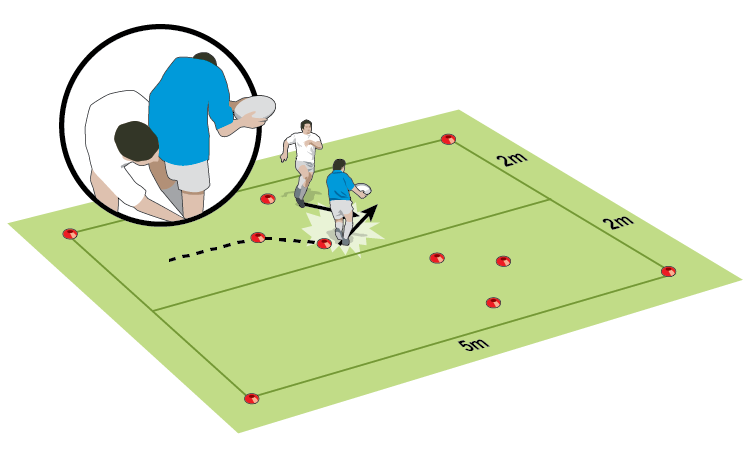
The tackles should be very low, aiming to get the ball carrier on the ground quickly. Tackles should be made at knee height so the ball carrier cannot be driven over the line (see picture 2A). This also gets the ball carrier off his feet as quickly as possible, unable to make ground and potentially free up the ball (see picture 2B).
5. Effect the latchers
When the ball carrier takes the ball forward, they might be driven on by another player. The first defender takes on the ball carrier, the second drives into the attacking support player to reduce his effectiveness.
6. Be selective when you challenge
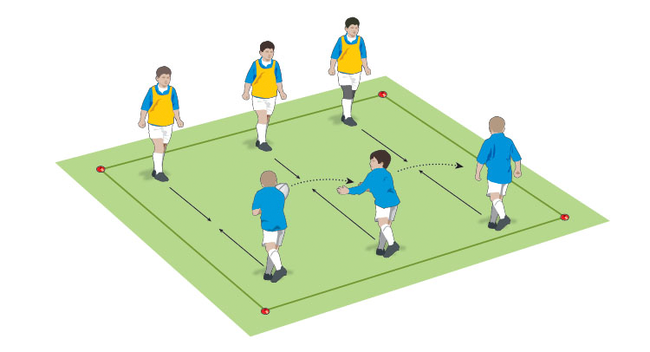
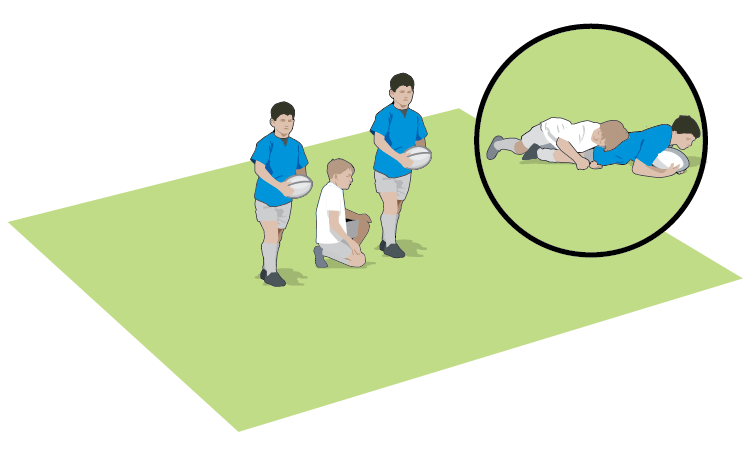
Don’t waste time on lost causes close to the line. If there is little chance of challenging for the ball or counter rucking, get back into the line ready for the next push (see picture 2C).
7. Force them into slow ball
Break their momentum with low tackles then work hard to finish the tackle positively. That means driving through after the tackle, or the tackle assist aiming to either get their hands on the ball or get over the ball. Picture 2 shows three easy ways you can teach defenders to do this.
8. Put your body on the line
The players must have the appetite to tackle, get up, then tackle again. Set up activities where they are constantly doing this close to the line - but in short, sharp bursts to keep it match realistic.
The lion-hearted team will win this crucial part of the game the more it practises.
now practisePerfect your lion-hearted defending with “Try savers, try scorers” - click HERE to see this activity. |
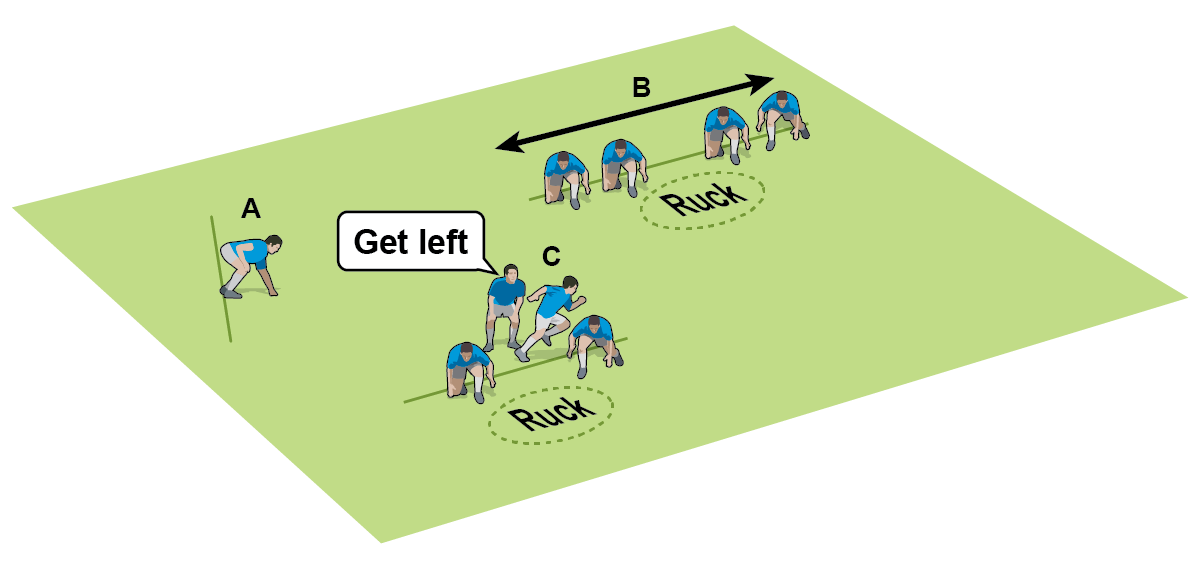
GET THE BASICS RIGHT...
- Use a three-point stance close to the ruck to come off the line quick and low
- Close together at the side of the ruck, less than an arm’s distance apart
- The 9 organises the defence around the ruck
Related Files
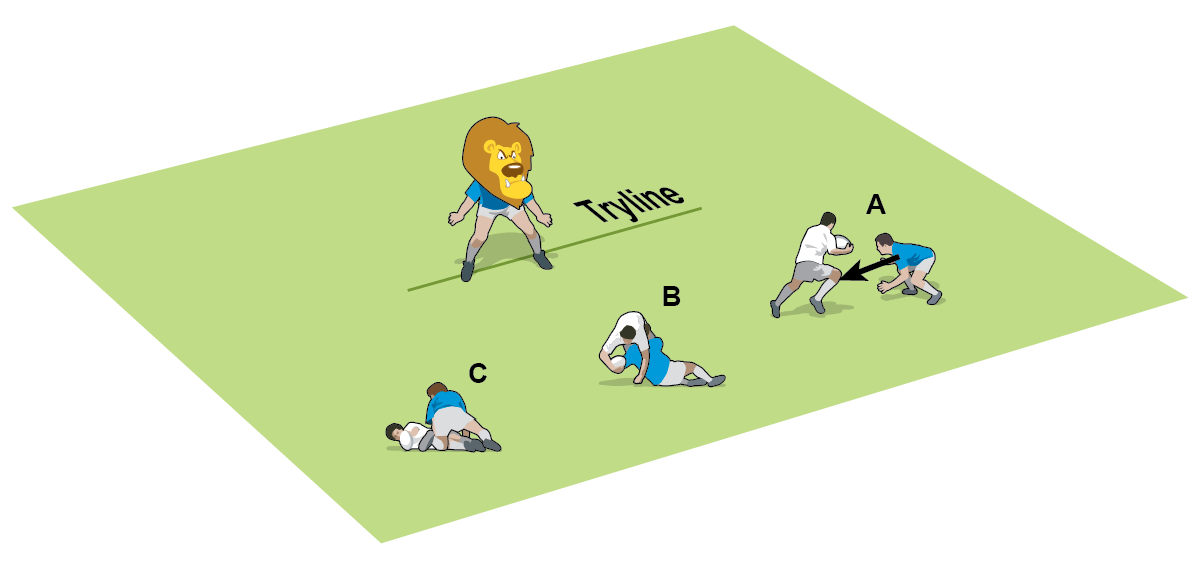
...THEN DEFEND LIKE LIONS
- Lion-hearted defence on the try line never gives up
- Slow down their quick ball, but be selective when you go for the ball
- Get the ball carrier off their feet as soon as possible
- Chop the ball carrier below the knees

Dan Cottrell
Latest Issue

Subscribe Today
Subscribe Today
Newsletter Sign Up
Coaches Testimonials

Colin Shaw

Gary Lee Heavner
Subscribe Today
Latest Issue
Be a more effective, more successful rugby coach
In a recent survey 89% of subscribers said Rugby Coach Weekly makes them more confident, 91% said Rugby Coach Weekly makes them a more effective coach and 93% said Rugby Coach Weekly makes them more inspired.
Get Weekly Inspiration
All the latest techniques and approaches


Rugby Coach Weekly offers proven and easy to use rugby drills, coaching sessions, practice plans, small-sided games, warm-ups, training tips and advice.
We've been at the cutting edge of rugby coaching since we launched in 2005, creating resources for the grassroots youth coach, following best practice from around the world and insights from the professional game.
