
 close


 LOGIN
7 coaching risks worth taking
Sometimes you have to be bold when coaching. Take a risk that can change something for the better. Nothing ventured, nothing gained – so try these ideas for size.



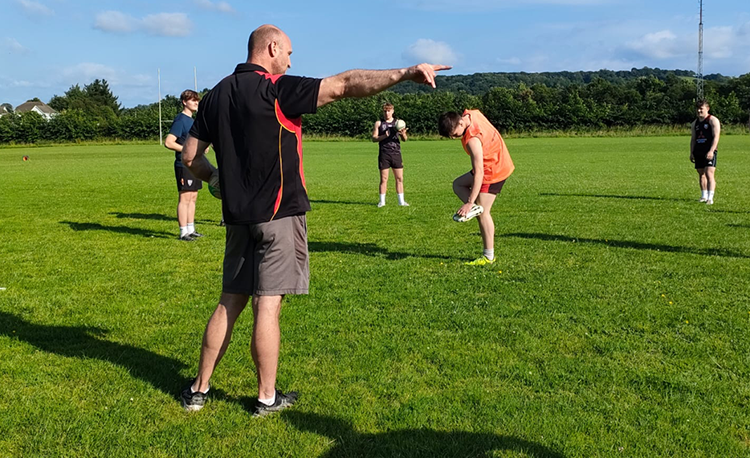
1. Let someone else take a coaching session
Don’t employ a guest coach - use one of the players. Step back and let them run part of the session. Obviously, be there to check for health and safety issues. Give the player a week’s notice. You can watch how the other players react and give some responsibility for learning to the team.
2. Play without your best player
Give your best player a week off. The team will know in advance they are not there so will adapt and cope. This will help them prepare for when they are injured. It is also good for the player concerned because it helps them understand there are situations when they might not be picked later in their career. But you need to be very clear why you are doing it. The player concerned will be rested and fired up next week, I can guarantee.
3. Cancel training for a week
In a long season, a week off from training can be quite refreshing. Tell the players in advance so they can plan to do other things instead. Use it as a reason why they should be at all the other sessions. It needs to be planned into the structure of the season, so not before a particularly vital game.
4. Put your tactics on your TEAM APP - this saves time
Your players read the team app. They check for timings and selection. Why not put down your tactics as well, so they understand what they are doing and why? This should save time in training.
What happens if the opposition teams read the app too? That’s fine, because you are going to have a couple of plans to work to. For instance, you are going to run more than one type of lineout in their 22. You don’t have to say who is going to run where or who specifically the ball is going to.
5. Don’t say anything at half-time - just let them drink
At half-time, let the players take on some water, rest and then split into forwards and backs. They can discuss what they want to do. Then bring them into the huddle and ask the captain to say a few words.
If you have briefed the players well enough before the game, they will simply be repeating your messages anyway.
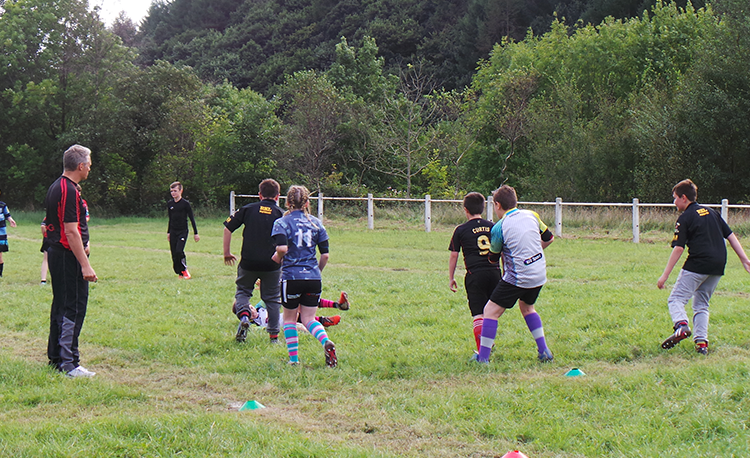
6. Start training with a full-on game
Do a good, physical warm-up and then play a proper game of rugby. Modify the set pieces based on the numbers. You can then highlight and feed back on the hoof. Finish training with some work-ons from that game.
7. Don’t work on fitness
Leave fitness to the players outside of your training sessions. Train them hard when you are with them. Players who are really struggling in the sessions need to be told they must work on their fitness. Other players will do so naturally. Don’t waste valuable coaching time on running and press-ups.
Are these risks worth taking?Contact us on X: @rugbycoachweek or on Facebook www.facebook.com/RugbyCoachWeekly |
Related Files


Latest Issue

Subscribe Today
Subscribe Today



Newsletter Sign Up

Coaches Testimonials

Colin Shaw

Gary Lee Heavner
Subscribe Today
Latest Issue
Be a more effective, more successful rugby coach
In a recent survey 89% of subscribers said Rugby Coach Weekly makes them more confident, 91% said Rugby Coach Weekly makes them a more effective coach and 93% said Rugby Coach Weekly makes them more inspired.
Get Weekly Inspiration
All the latest techniques and approaches


Rugby Coach Weekly offers proven and easy to use rugby drills, coaching sessions, practice plans, small-sided games, warm-ups, training tips and advice.
We've been at the cutting edge of rugby coaching since we launched in 2005, creating resources for the grassroots youth coach, following best practice from around the world and insights from the professional game.
