
 close
close


 LOGIN
LOGINExpert advice on coaching young rugby players

1. Attack – concentrate on game understanding
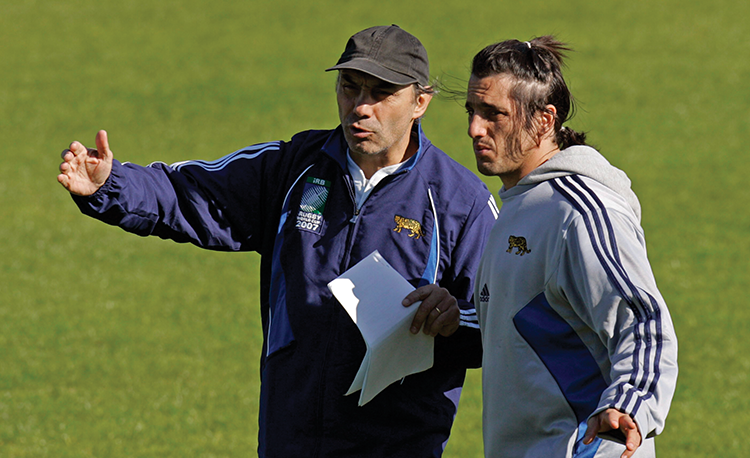
The former England coach (and former teacher) Andy Robinson says the first thing he would coach young rugby players is "running hard at a defensive line with the ball in two hands." This leads to players "developing the understanding of how and when to make decisions whether to pass or attack between defenders and offload."
Evan Crawford, Wellington Rugby's High Performance Manager and former Head of Coaching Development for the RFU, says decision making in attack is his number one priority. "You need to provide an opportunity for young players to recognise the difference between grouped and spread defence and how the attack must respond to this."
Crawford adds: "It is also important for young players to understand that whilst the ball carrier is king, the role of support players is the key to successful attack."
How you can apply this advice
Set up lots of game situations where the defensive line is either spread or grouped and let play develop. The ball carrier must always carry the ball in two hands.
2. Unit skills
Our experts generally agreed that coaches should spend less time on unit skills (forwards and backs). Stephen Aboud, the IRFU's Coach Development Manager, John Schropfer, the WRU's Regional Community Manager, and Crawford suggest concentrating more on individual skills. Schropfer says training could be virtually rugby league style – handling, tackling and evasion – before progressing to ruck and maul.
How you can apply this advice
Reduce the time spent on set piece plays by half. After all, play between the phases makes up more of the game. Passing and evasion should be the top priorities.
3. Defence – technique and contact
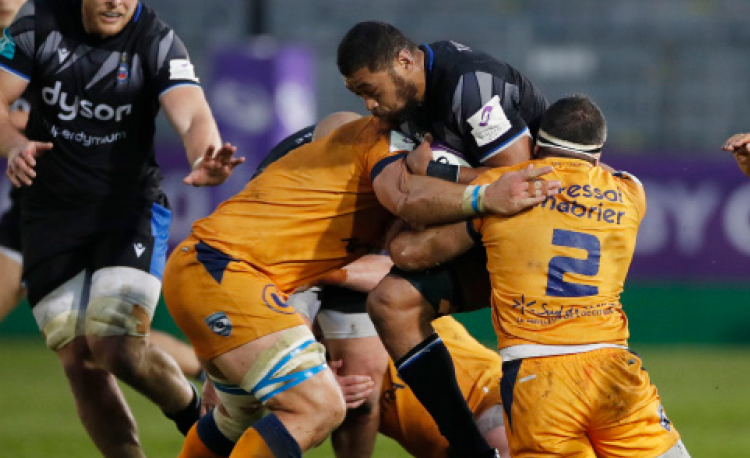
Aboud says that contact is important as its nature is unique to rugby. "Players need to experience physical contact and develop confidence early on," he says.
Tackling technique is emphasised by three of our seven experts, but they go a stage further by talking about defensive systems. "A one on one tackle is a failure," says Jim Love, Head Coach of Viadana in Italy and former NZ Maori coach. "We have systems to pass the ball out to the wing, so we should have systems where players work to defend together." This view was echoed by Robinson and Schropfer.
How you can apply this advice
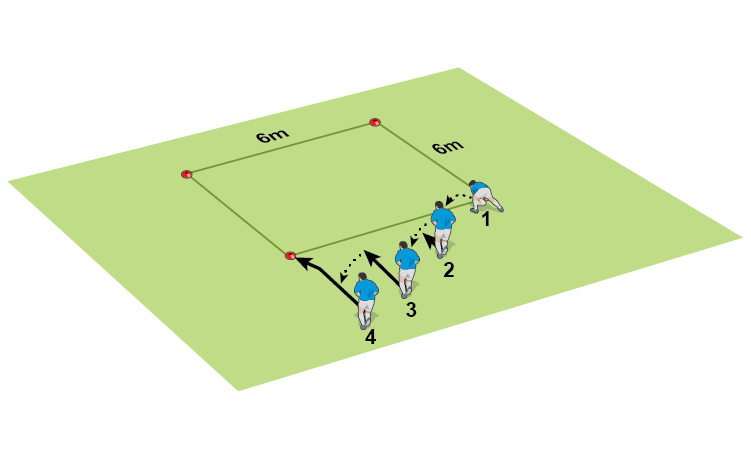
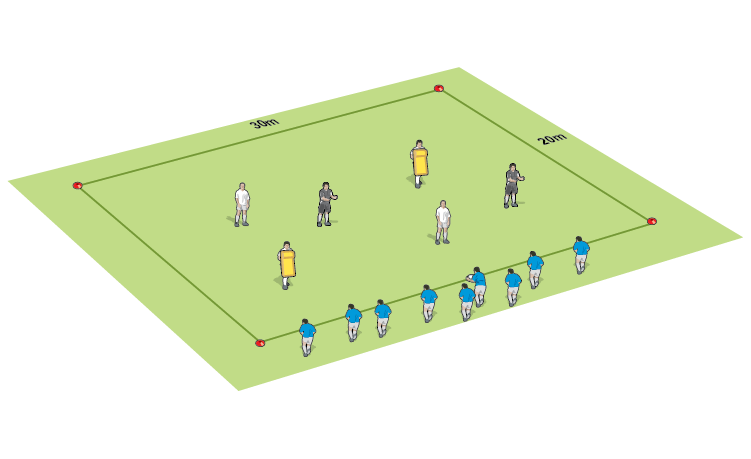
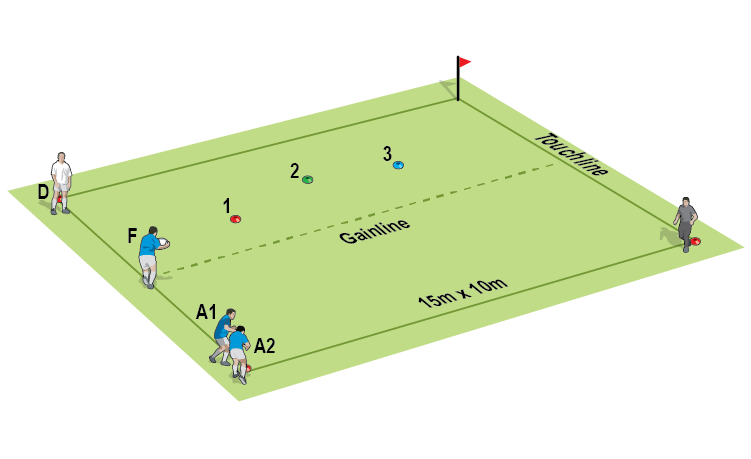
Create lots of low impact contact situations in the warm-ups. Then, while concentrating on good technique in the tackle, move quickly to team defence. Try having two attackers against four defenders.
4. Fun
Martin Gallagher, Director of Rugby for Rugby Canada, puts fun at the top of the agenda. "One of the keys is knowing the players and taking time to understand their needs and ambitions. Empathy and understanding are important facets in developing young players, we must also ensure that we don’t look to make them adults before their time – everything should be about the FUN of the game."
Mike Ruddock, the Wales Grand Slam coach in 2005, stresses that coaches should not overdo hard physical contact. "We need to keep players in the game. Yes, they have to experience contact, but if they are being smashed around week in, week out, then we will lose out in the long run."
How you can apply this advice
Consider whether the activities you are doing are "enjoyable". Can you engage your rugby players more by adding an additional element of competition? Or keep more of them active at the same, for example by reducing the time spent queuing?
5. Rugby techniques
Skill is using the right techniques at the right time. So players need to learn rugby techniques as well as when to use them. Ruddock advises concentrating on making young players learn how to pass. "It helps move the ball away from the opposition’s big players, something that makes a lot of sense when the players are younger" says Ruddock.
Crawford says: "If I was forced to coach technique first I would start with evasive go forward techniques." "Individual evasion skills" agrees Schropfer, "along with handling." "General movement skills" adds Aboud.
How you can apply this advice
Include handling and evasion skills as part of your warm-ups. Can your players pass accurately in different situations? Do they know why they need to pass the ball and not just "how to"?
The Principles of play - A recap
Do your players know about the "Principles of Play" or why they are important? They are:
- Gain possession.
- Go forward.
- Support.
- Continuity.
- Pressure.
With so much to cover when coaching young players, it really can be daunting to know what to do first - now there's help... My groundbreaking Everything You Need to Know for Coaching Rugby manual covers a whole year's coaching in one handy guide.
Containing more than 100 training sessions and games, Coaching Rugby has been specially created to help you build young players' techniques, skills and understanding of the whole game. Click here to find out more, download sample pages and to order your copy today.
Be a more effective, more successful youth rugby coach
- Win more games, without sacrificing the crucial element of fun
- Develop every player, regardless of vast differences in ability
- Run a respected, professional programme - even with a full-time job and limited time
Subscribe for full access
Or register and unlock 2 free articles,
receive our weekly newsletter, and
get a FREE coaching e-book.
Or if you are already a subscriber login for full access.

Dan Cottrell
Latest Issue

Subscribe Today
Subscribe Today
Newsletter Sign Up
Coaches Testimonials

Colin Shaw

Gary Lee Heavner
Subscribe Today
Latest Issue
Be a more effective, more successful rugby coach
In a recent survey 89% of subscribers said Rugby Coach Weekly makes them more confident, 91% said Rugby Coach Weekly makes them a more effective coach and 93% said Rugby Coach Weekly makes them more inspired.
Get Weekly Inspiration
All the latest techniques and approaches


Rugby Coach Weekly offers proven and easy to use rugby drills, coaching sessions, practice plans, small-sided games, warm-ups, training tips and advice.
We've been at the cutting edge of rugby coaching since we launched in 2005, creating resources for the grassroots youth coach, following best practice from around the world and insights from the professional game.
