
 close
close


 LOGIN
LOGINTurbo tackling
The moments before contact determine the most likely outcome of the hit. How many times has the poor body position of one of your players allowed a ball carrier to slip through a tackle? “Turbo tackling” will ingrain good tackling habits throughout your team.
Warm up time: 5-7
Session time: 8-10
Development time: 8-10
Game time: 15-20
Warm down time: 5-7
What to think about
There are several decisions the defender must make, even before he commits to the tackle. Generally, the lower the tackler is at impact, the more chance there is of completing the tackle. However, remember that tackling higher up the ball carrier’s body can reduce the chances of an offload. In training, you can help your players’ decision making by stipulating where on the field the tackles are made. Players can then decide whether to prevent the offload (say near their own try line), or get the ball carrier to ground.set-up
- Get into a balanced defensive position quickly, ready to move forward or sideways.
- Stay upright until the moment you have to make the tackle, then dip, drive forward and up.
What you get your players to do
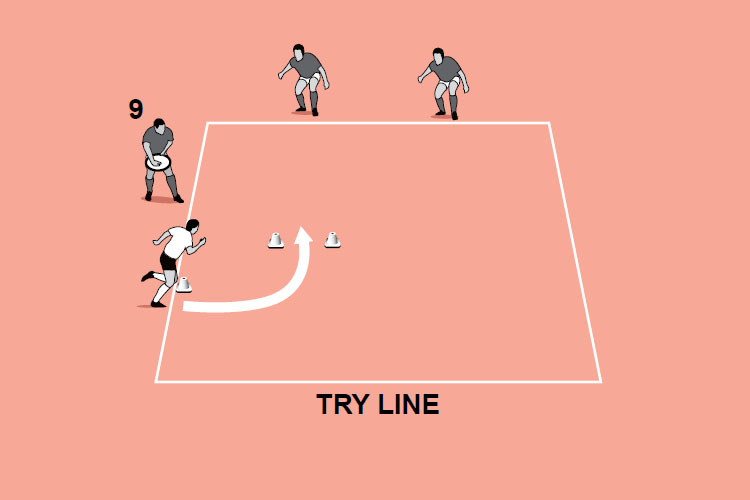
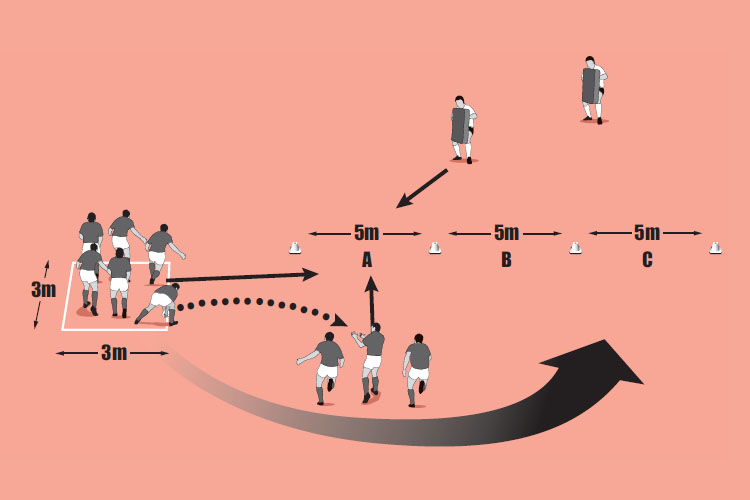
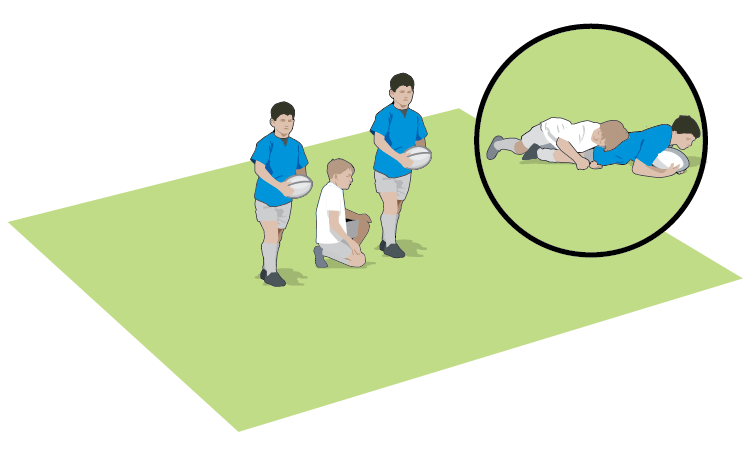
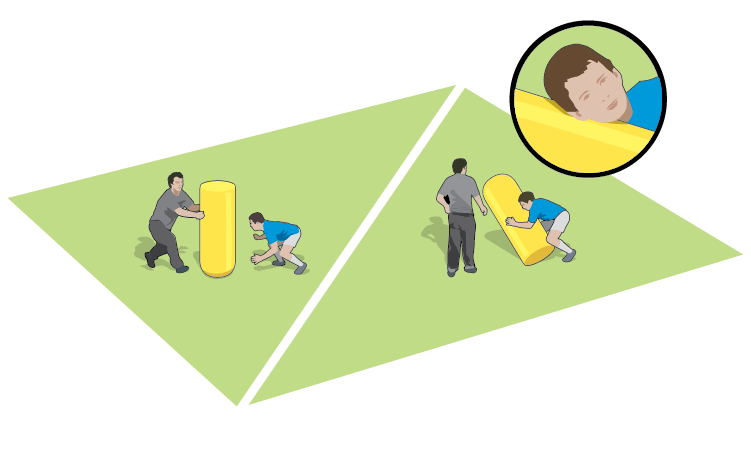
Set up two attackers, a feeder (9) and a defender as in the top picture. Have the defender run to a gate of cones. As he reaches the gate, the feeder passes to either the first or second attacker. The defender has to make a two-hand touch on the shorts of the ball carrier to stop the attack. Develop the session by making it full contact. Then allow the ball carrier to offload the ball in contact, encouraging the tackler to prevent this. Next, think about adjusting the starting point and gate for the defender.Be a more effective, more successful youth rugby coach
- Win more games, without sacrificing the crucial element of fun
- Develop every player, regardless of vast differences in ability
- Run a respected, professional programme - even with a full-time job and limited time
Subscribe for full access
Or register and unlock 2 free articles,
receive our weekly newsletter, and
get a FREE coaching e-book.
Or if you are already a subscriber login for full access.

Dan Cottrell

Latest Issue

Subscribe Today
Subscribe Today
Newsletter Sign Up

Coaches Testimonials

Colin Shaw

Gary Lee Heavner
Subscribe Today
Latest Issue
Be a more effective, more successful rugby coach
In a recent survey 89% of subscribers said Rugby Coach Weekly makes them more confident, 91% said Rugby Coach Weekly makes them a more effective coach and 93% said Rugby Coach Weekly makes them more inspired.
Get Weekly Inspiration
All the latest techniques and approaches


Rugby Coach Weekly offers proven and easy to use rugby drills, coaching sessions, practice plans, small-sided games, warm-ups, training tips and advice.
We've been at the cutting edge of rugby coaching since we launched in 2005, creating resources for the grassroots youth coach, following best practice from around the world and insights from the professional game.
