
 close
close


 LOGIN
LOGINRugby Coach Weekly is the largest digital resource for youth coaches, trusted by 15,000+ coaches, teachers and parents every month.
-
Coach with confidence
-
Improve your teams faster
-
Run great sessions with less effort
- Expert coaching advice from TOP Coaches
- Training sessions for players from U6 to U17+.
To ruck, or not to ruck


Ruck decision making in defence extends to players working out whether to compete at the ruck or leave the opposition to have the ball and so compete at the next ruck. The attacking team has to second guess defensive decisions. This leads to a game within a game above and beyond good technique.
Warm up time: 5-7
Session time: 8-12
Development time: 8-12
Game time: 15-20
Warm down time: 5-7
What to think about
Your team may have a plan on how many players to commit to a ruck in attack or defence. Some defences will commit no one and spread out. Others will make the attack work hard to win the ball, slowing it down. Deciding whether or not to commit can be described as a win, lose, win ratio. For instance, the defence may challenge for a ruck, but if they decide not to they must set up to try and win the next. This session helps build your ruck philosophy, perhaps by defining what works for you in training. Poor technique can mean you have to commit more numbers anyway. Though you can emphasise this point during the session, technical training should be left for another day.set-up
- In attack, make sure your team wins the ball first before realigning for the next attack.
- In defence, decide whether you are going to compete at this ruck or the next one.
What you get your players to do
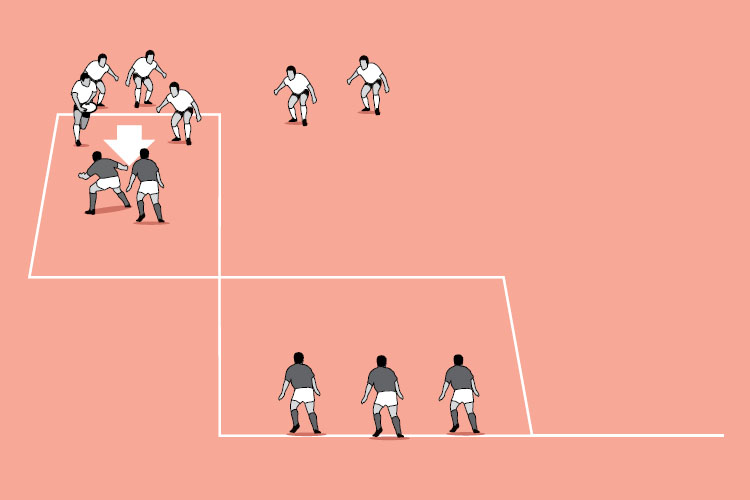
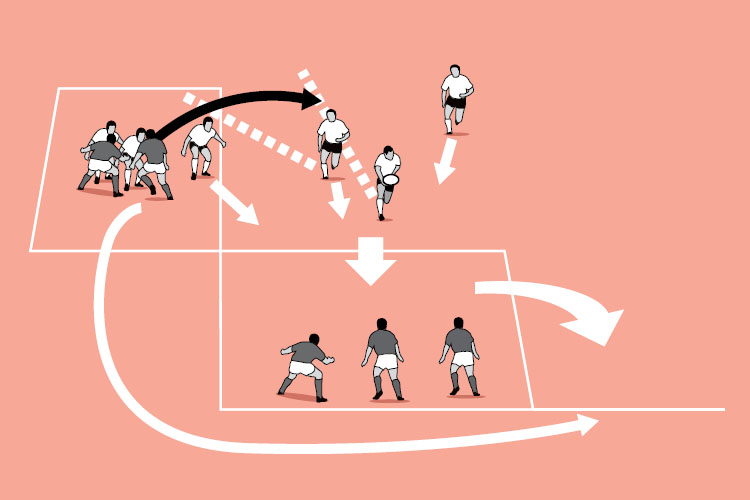
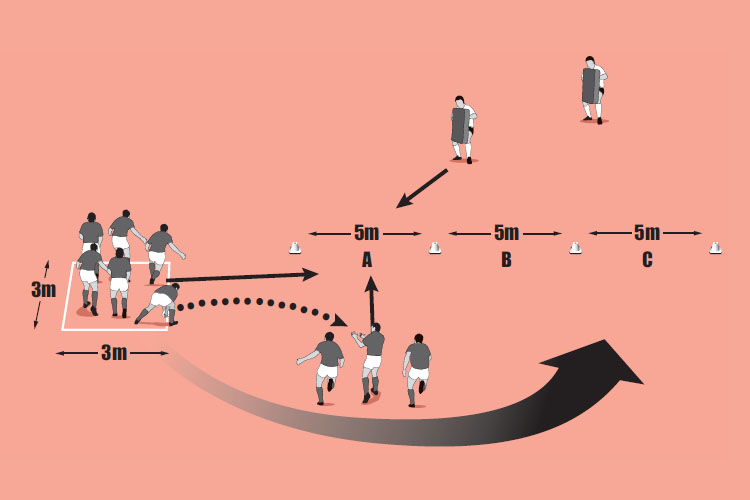
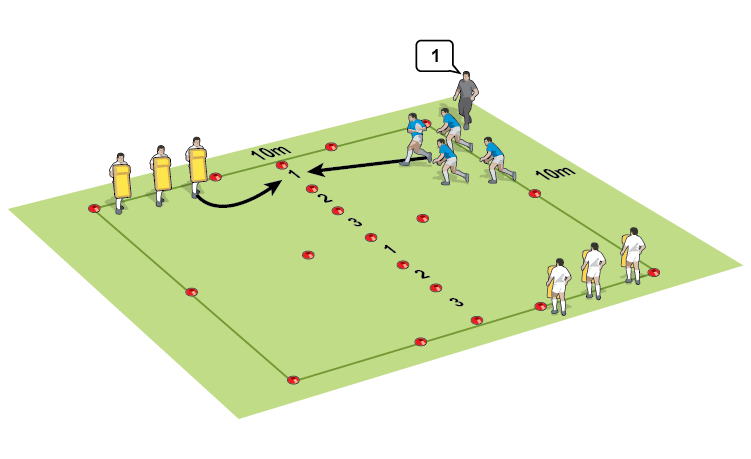
Set up six attackers and five defenders as in the top picture. Have the defenders start no more than 5 metres from the attackers in the first box. Have the attack move forward and take contact. Once they have taken contact they can move the ball to the next set of attackers who attack into the wide box. The attack either score at the end of this box or, if they take contact, can move the ball out of the box to the side. The defenders from the first box can shuffle round to cover this area. The drill finishes if there is an infringement, a turnover or the attack score over the far line.Development
- Change the starting points for defenders in the second box.
- Have the attacking support runners start on the other side of the initial attack so they have to run round into position.
- Change the balance of attack and defence with more defenders than attackers.
Related Files
Game situation
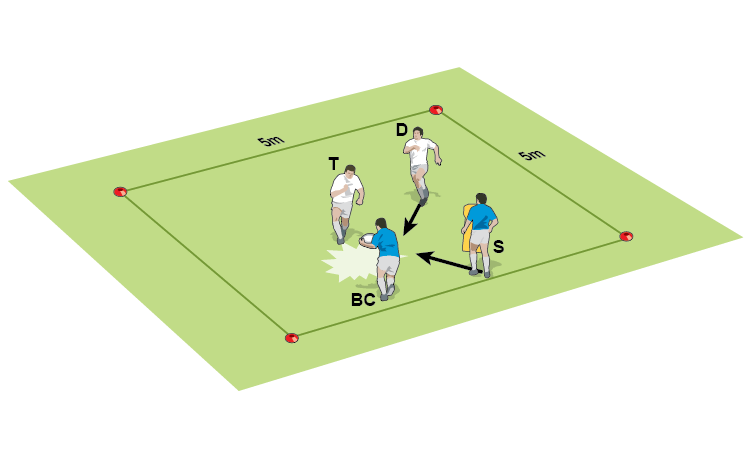
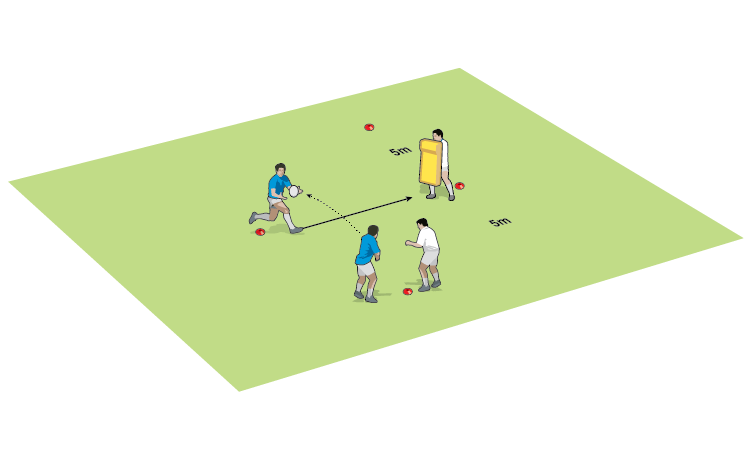
Split your team in half, with one set defending and the other attacking. Put the attack at the far end of the box, 20m from the try line, and the defence no more than 5m away. Play normal rugby laws, but no kicking. The attack cannot move the ball out of the box unless they score or make two rucks. Swap attack and defence after three attempts.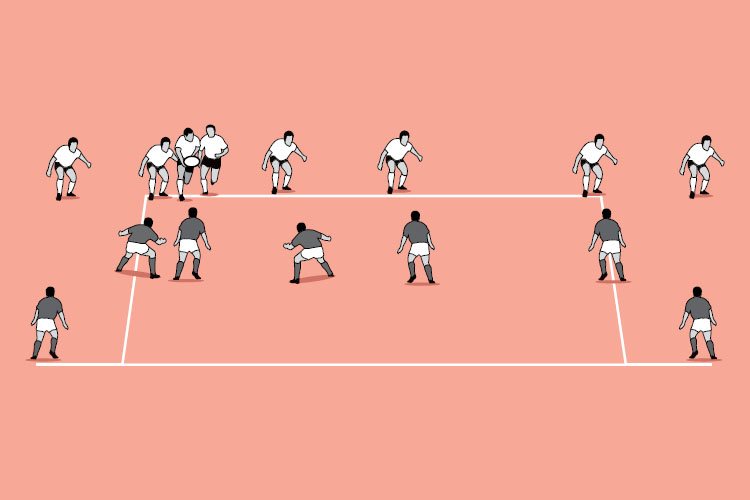
What to call out
- “Don’t be redundant. Make a difference at the ruck”
- “Look up and ahead before you decide to enter the ruck”
- “Low man wins in the contact area”

Dan Cottrell

Latest Issue

Subscribe Today
Subscribe Today
Newsletter Sign Up

Coaches Testimonials

Colin Shaw

Gary Lee Heavner
Subscribe Today
Latest Issue
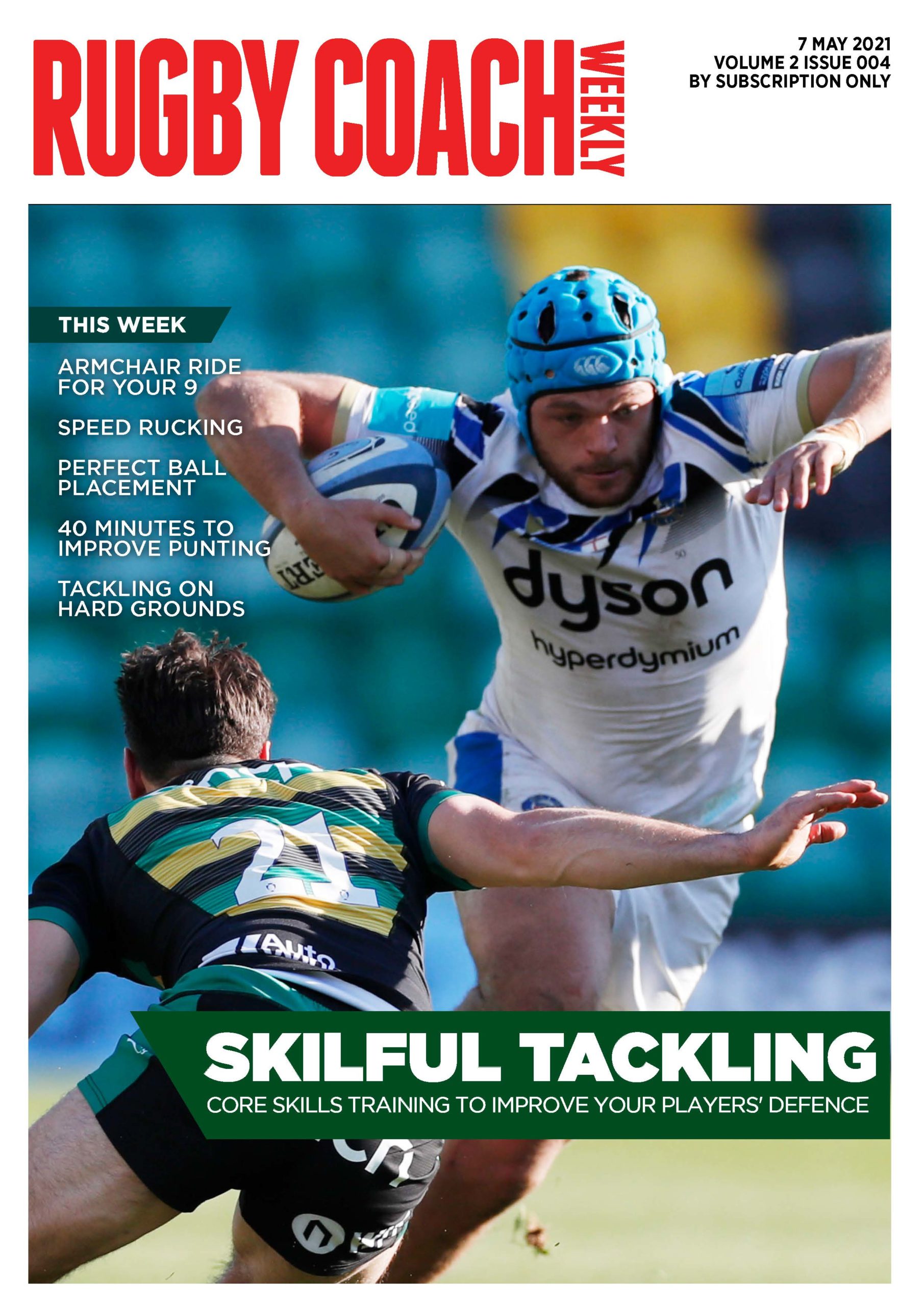
Be a more effective, more successful rugby coach
In a recent survey 89% of subscribers said Rugby Coach Weekly makes them more confident, 91% said Rugby Coach Weekly makes them a more effective coach and 93% said Rugby Coach Weekly makes them more inspired.
Get Weekly Inspiration
All the latest techniques and approaches


Rugby Coach Weekly offers proven and easy to use rugby drills, coaching sessions, practice plans, small-sided games, warm-ups, training tips and advice.
We've been at the cutting edge of rugby coaching since we launched in 2005, creating resources for the grassroots youth coach, following best practice from around the world and insights from the professional game.
