
 close
close


 LOGIN
LOGINThe king of one-on-ones
Some players have the natural ability to beat a player one-on-one, but don’t know when to use it or have lost their confidence. Others need the skill to be developed. Even if the player cannot get past his opponent by using this skill, he should at least get beyond the tackler to create “go forward” ball.
Warm up time: 7-10
Session time: 10-15
Development time: 10-15
Game time: 10-15
Warm down time: 7-10
What to think about
How close to the defender should the ball carrier be when he changes pace? There is no set distance. It depends on the relative pace and agility of the two players involved. It is very much a trial and error process for each individual to see how close they can get before accelerating. The closer the attacker gets, the more likely the defender will set himself for a tackle. As soon as the defender stops, the attacker can accelerate away. How can I get my players to accelerate well? They need to shorten their stride, lean forward slightly and pump their arms very fast. Use ladders (or cones) to enhance your players’ stride rate, which will improve acceleration and changes of direction.set-up
- Always be confident in your ability to beat an opponent one-on-one.
- Use changes of pace to fix and then beat an opponent.
- Get the ball in the correct hand so you can fend or protect it.
What you get your players to do
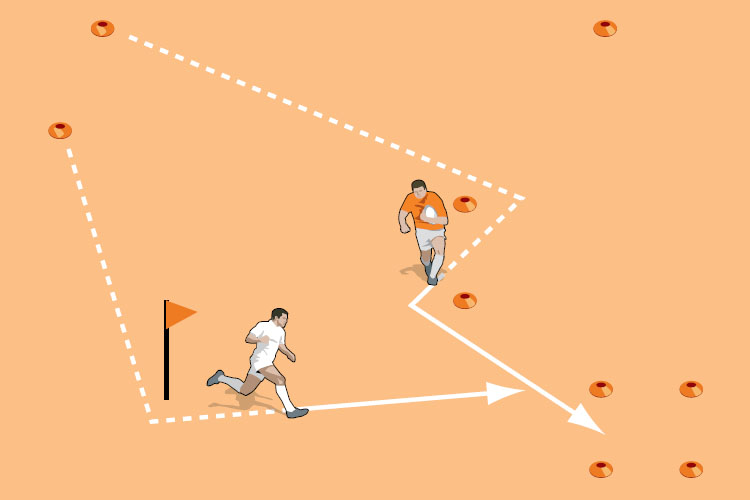
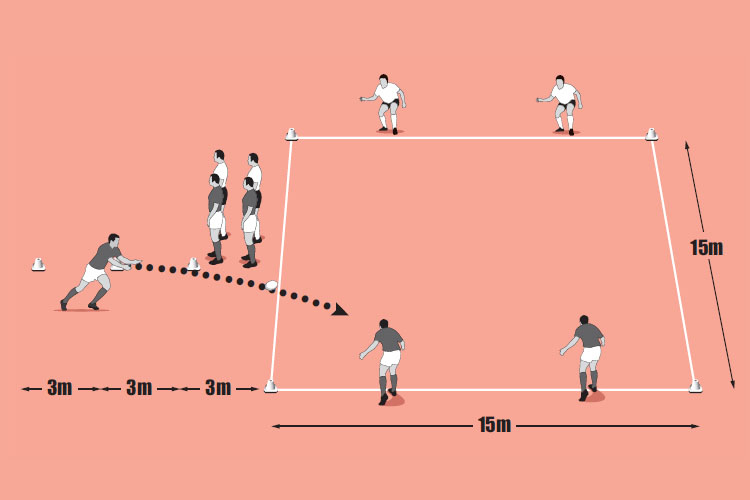
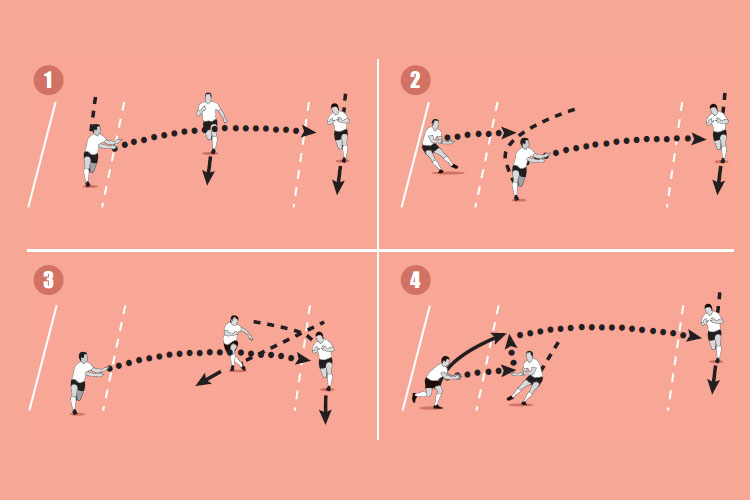
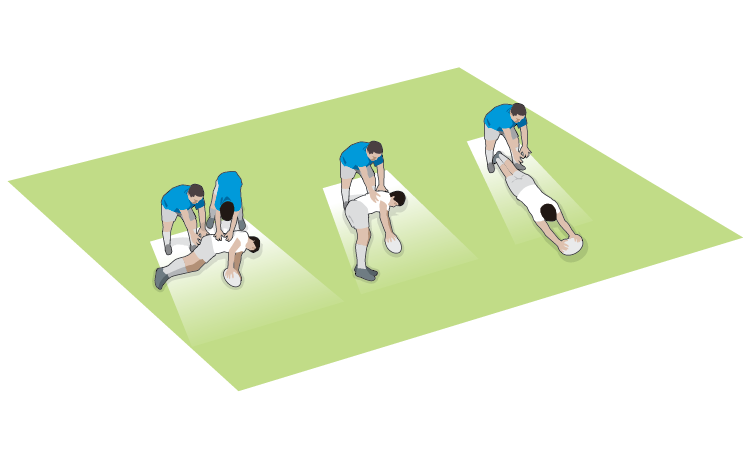
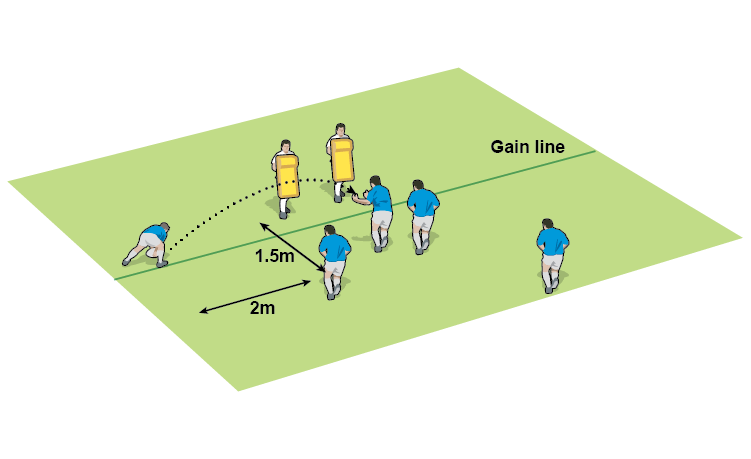
Start a ball carrier on the corner of a square. The defender starts near him (as picture 1). On your call of “GO”, the ball carrier runs across the middle of the square going in and out of the cones. The defender runs round the edge. The ball carrier has to score in the zone opposite. The defender has to tackle him. Picture 2 shows the technique required to beat the defender.Be a more effective, more successful youth rugby coach
- Win more games, without sacrificing the crucial element of fun
- Develop every player, regardless of vast differences in ability
- Run a respected, professional programme - even with a full-time job and limited time
Subscribe for full access
Or register and unlock 2 free articles,
receive our weekly newsletter, and
get a FREE coaching e-book.
Or if you are already a subscriber login for full access.

Dan Cottrell
Latest Issue

Subscribe Today
Subscribe Today
Newsletter Sign Up

Coaches Testimonials

Colin Shaw

Gary Lee Heavner
Subscribe Today
Latest Issue
Be a more effective, more successful rugby coach
In a recent survey 89% of subscribers said Rugby Coach Weekly makes them more confident, 91% said Rugby Coach Weekly makes them a more effective coach and 93% said Rugby Coach Weekly makes them more inspired.
Get Weekly Inspiration
All the latest techniques and approaches


Rugby Coach Weekly offers proven and easy to use rugby drills, coaching sessions, practice plans, small-sided games, warm-ups, training tips and advice.
We've been at the cutting edge of rugby coaching since we launched in 2005, creating resources for the grassroots youth coach, following best practice from around the world and insights from the professional game.
