
 close
close


 LOGIN
LOGINRugby Coach Weekly is the largest digital resource for youth coaches, trusted by 15,000+ coaches, teachers and parents every month.
-
Coach with confidence
-
Improve your teams faster
-
Run great sessions with less effort
- Expert coaching advice from TOP Coaches
- Training sessions for players from U6 to U17+.
Tackler away


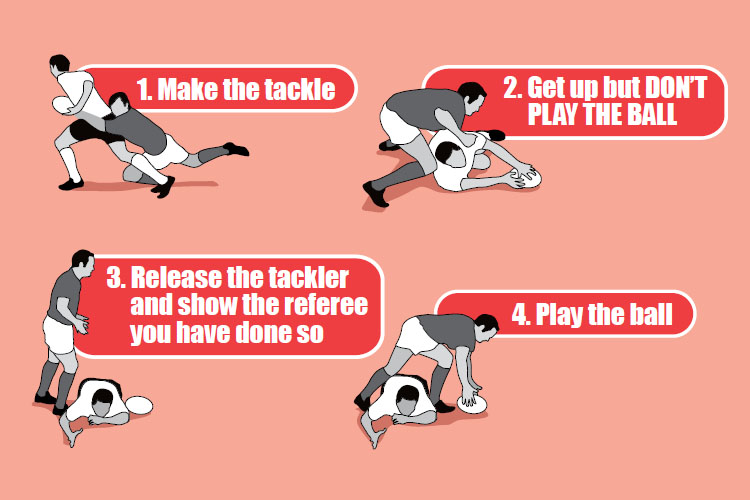
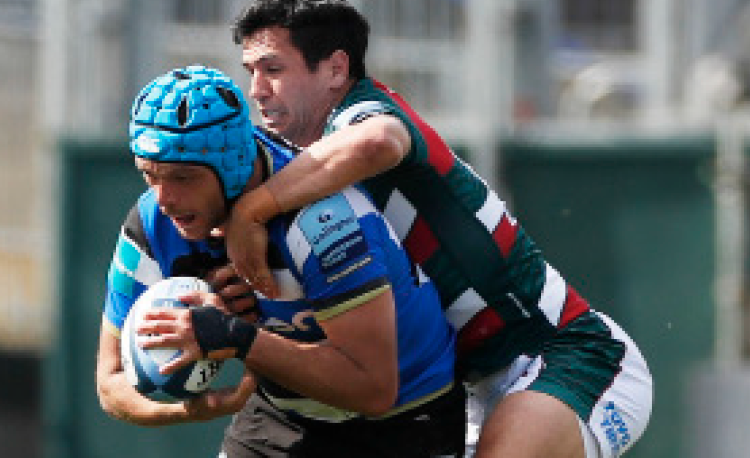
The role of the tackler at the breakdown is vital, and it is changing. The new interpretation for 2010 means referees will be red hot on whether: i) the tackler has released the ball carrier, and ii) the next defender in has given the ball carrier a chance to play the ball. This session develops the players’ understanding of the new requirements.
Warm up time: 5-7
Session time: 8-10
Development time: 8-10
Game time: 15-20
Warm down time: 5-7
What to think about
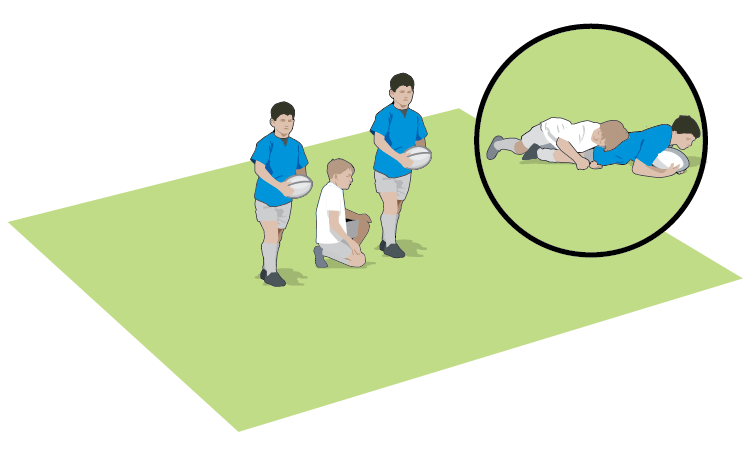
Laws reminder: A player on his feet who brings a player carrying the ball to ground is not a tackler. However, this player has completed a tackle. A tackler must release the tackled player. The tackled player must pass or release the ball by putting it on the ground in any direction, or by pushing it along the ground. However, if opposition players who are on their feet attempt to play the ball, the tackled player must release the ball. Players arriving at a tackle may play the ball providing they are on their feet. Players who were attached to the player who is tackled, and who remain on their feet, must release the player and the ball and then may play the ball in accordance with Law15.6 (b).set-up
- Know the Laws at the tackle.
- Make sure you can show the referee you have released the tackled player before you attempt to play the ball.
What you get your players to do
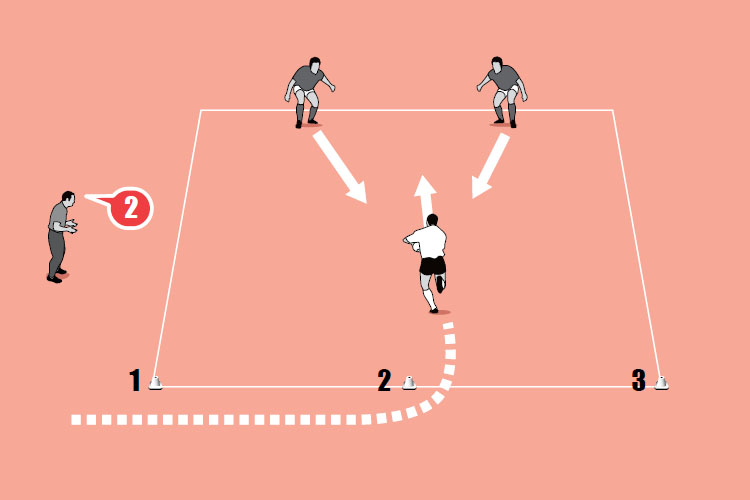
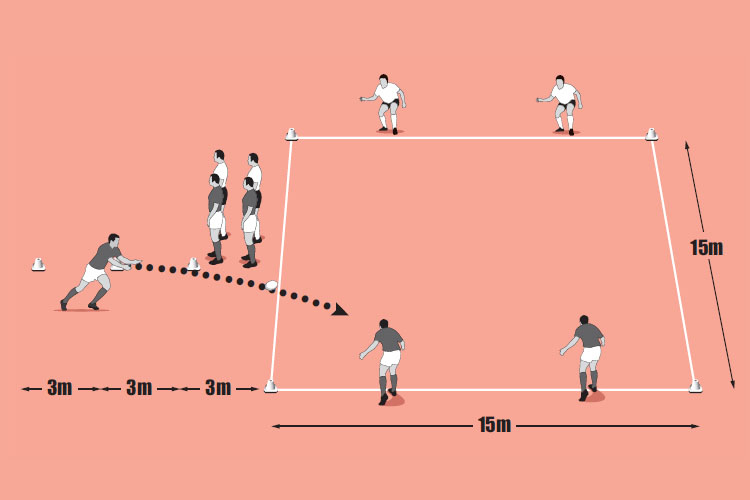
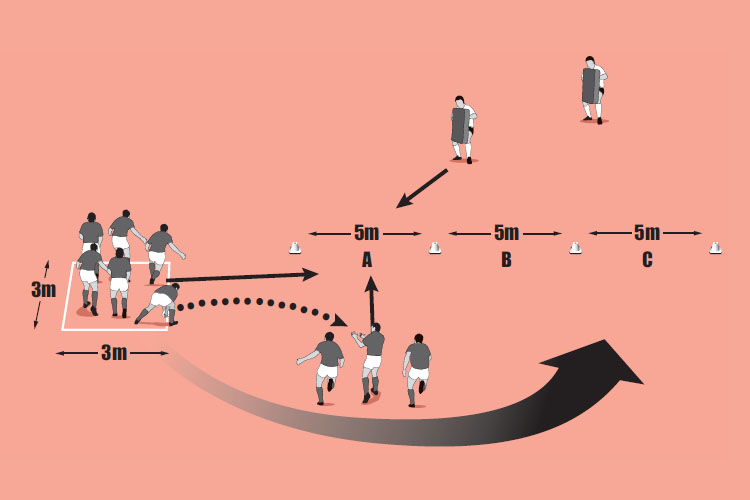
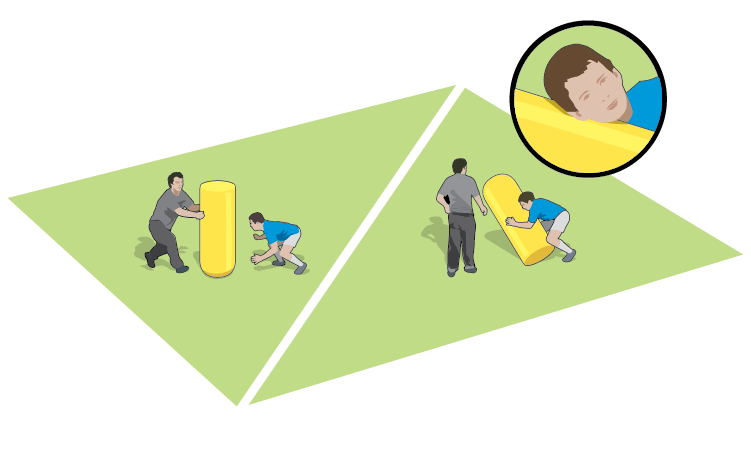
Set out a box as the middle picture, with two defenders against one attacker and three numbered cones. Shout out a cone. The attacker has to run into the box at that cone to score at the far end. The defenders have to make the tackle and recover the ball. Referee strictly. Develop this by adding another attacker who starts 10m away from the box.Development
Place one attacker at one corner of the box, with another about 5m away. They have to score at the other end. The three defenders have to prevent the score and retrieve the ball. Award two points for a try, one point to the defence for stopping a try within one minute and two points for a turnover. Play for one minute.Related Files
Game situation
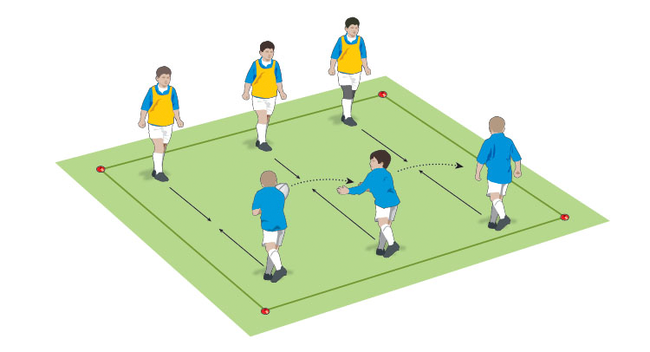
Play a game with 8- to 10-a-side. Start the game with a tap pass in the middle. The attacking team must have two players back on their try line. If there is a turnover, these attackers can re-join the game. Play normal rugby Laws but no kicking. An infringement leads to a tap pass at the point of the incident.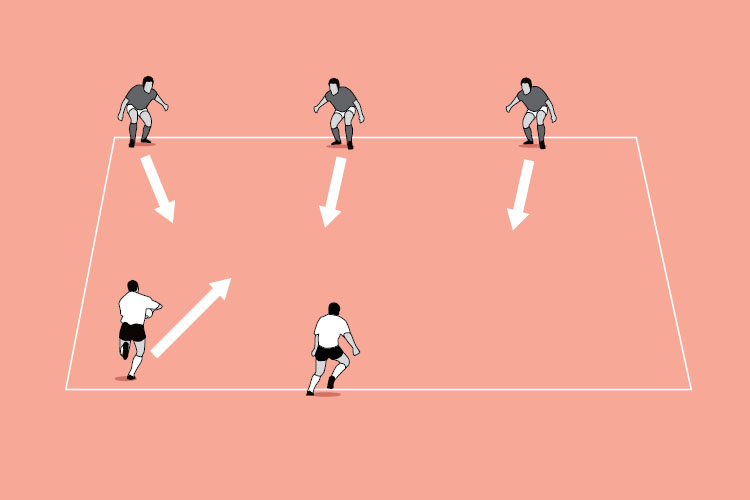
What to call out
- “Put the ball carrier on the ground quickly – tackle low”
- “Second defender – attack the ball, not the ball carrier”
- “Let the referee see “daylight” before playing the ball. Make it obvious to the referee you are not touching the tackled player.”

Dan Cottrell
Latest Issue

Subscribe Today
Subscribe Today
Newsletter Sign Up
Coaches Testimonials

Colin Shaw

Gary Lee Heavner
Subscribe Today
Latest Issue
Be a more effective, more successful rugby coach
In a recent survey 89% of subscribers said Rugby Coach Weekly makes them more confident, 91% said Rugby Coach Weekly makes them a more effective coach and 93% said Rugby Coach Weekly makes them more inspired.
Get Weekly Inspiration
All the latest techniques and approaches


Rugby Coach Weekly offers proven and easy to use rugby drills, coaching sessions, practice plans, small-sided games, warm-ups, training tips and advice.
We've been at the cutting edge of rugby coaching since we launched in 2005, creating resources for the grassroots youth coach, following best practice from around the world and insights from the professional game.
