
 close
close


 LOGIN
LOGINRugby Coach Weekly is the largest digital resource for youth coaches, trusted by 15,000+ coaches, teachers and parents every month.
-
Coach with confidence
-
Improve your teams faster
-
Run great sessions with less effort
- Expert coaching advice from TOP Coaches
- Training sessions for players from U6 to U17+.
Steady speed defence


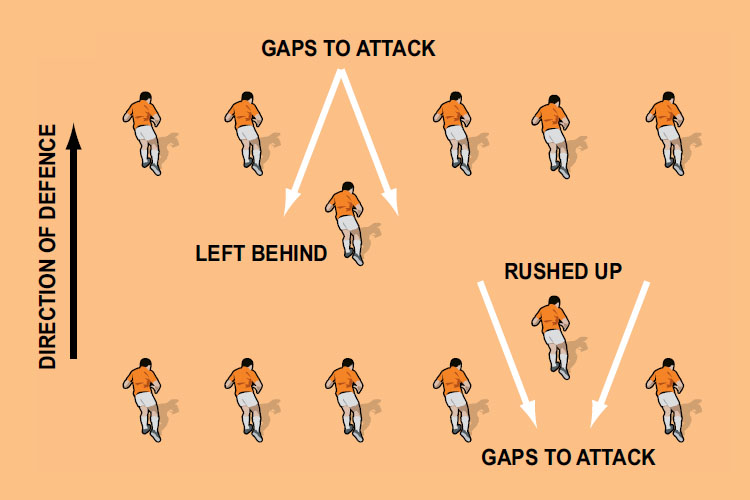
Defensive organisation is a core unit skill. From second phase, players need to understand their defensive roles and, more importantly, work together to pressurise the attacking team. You can use this session and its elements throughout your season to achieve this.
Warm up time: 7-10
Session time: 10-15
Development time: 5-10
Game time: 10-15
Warm down time: 7-10
What to think about
- I have one player who is always out of position in the defensive line. Is there anywhere I can “hide” him? In junior rugby putting the weakest tackler on the wing is the best option. Many sides lack the passing skills to move the ball wide quickly.
- Who should call the line up in defence? From set piece play the best placed player is the inside centre (12). In open play try nominating two “defensive captains”, usually the inside centre (12) and the open side flanker (7). Their role if they are not involved in the breakdown is to organise the defensive line and call it up.
set-up
- Constantly scan – focus on what is in front of you but look left and right as well.
- Constantly communicate – talk to the defenders on the left and right of you.
- Move up together at the pace of the slowest player.
What you get your players to do
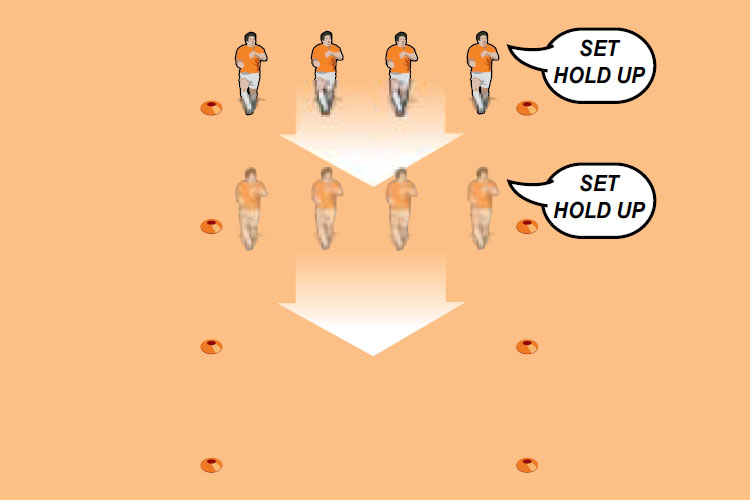
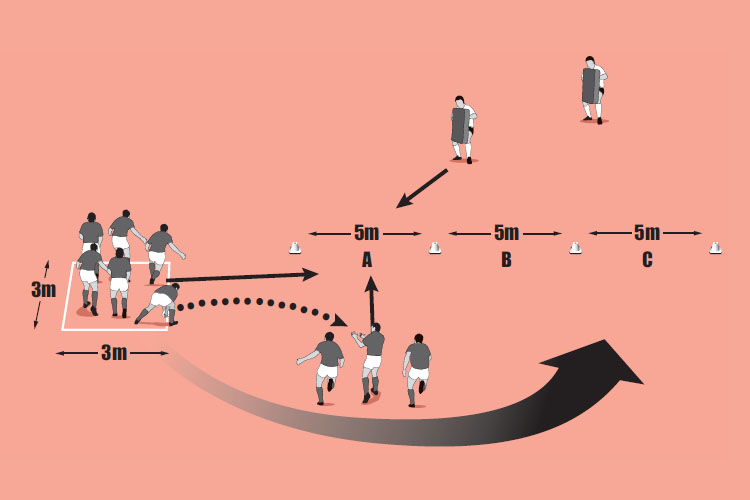
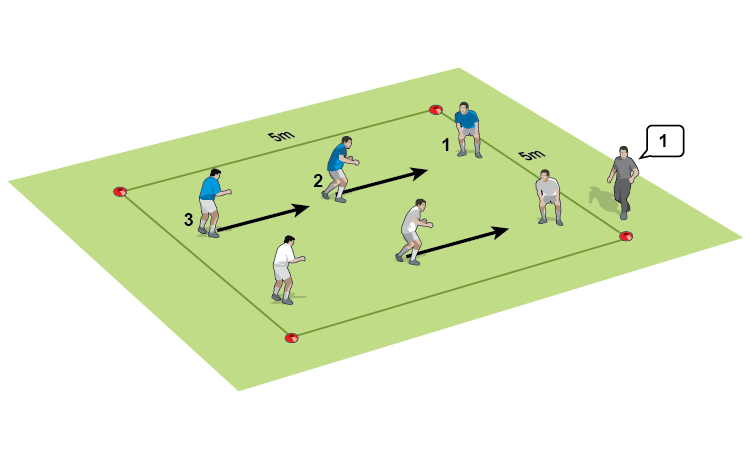
Demonstrate what happens if a defender gets out of the defensive line by setting up the examples in the diagram (the dangers of a “dogleg”). Set up four gates, 5 metres apart and 10 metres wide. Split your players into groups of four. They move forward together in a line pausing for a few seconds to realign at each gate. Each time they realign the player at the end takes control and calls “SET, HOLD, UP” so the line can move together. You can touch a ball on the ground to help the trigger to move forward each time.Development
- Players get down and up at each gate as quickly as they can.
- You stand in front of the players as they move through the gates and hold up different coloured cones. The players have to call out the colour.
- Make the gates wider or narrower to challenge the players to “fill” the space.
- Expand the groups to six players.
Related Files
Game situation
Steady state race: Split your players into groups of four. They run to each gate, as in the picture, then set up as if defending from a breakdown. Set the players a target time of say 30 seconds to complete the course. They have to race through the course to beat this time, all while maintaining a good defensive line. Give them two runs each and then change the target. Reinforce that it is not a race to finish first but to stay together.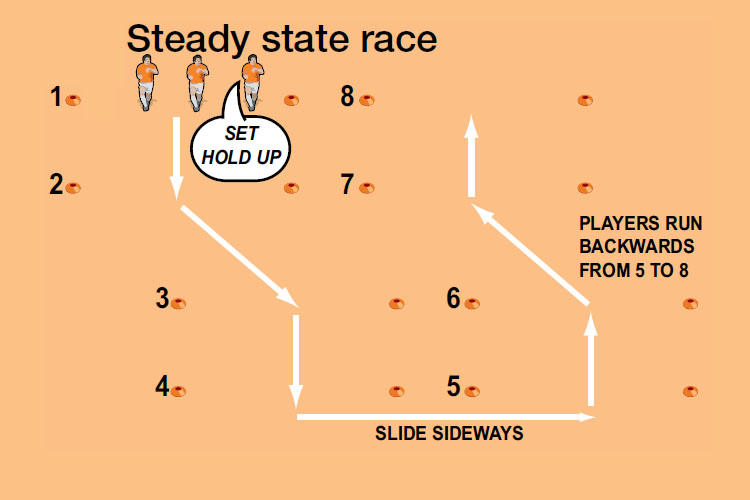
What to call out
- “Heads up and scan left and right to check the line.”
- “Keep the line in line.”
- “One player, take control of the line.”
- “Take pride in a good line.”

Dan Cottrell
Latest Issue

Subscribe Today
Subscribe Today
Newsletter Sign Up
Coaches Testimonials

Colin Shaw

Gary Lee Heavner
Subscribe Today
Latest Issue
Be a more effective, more successful rugby coach
In a recent survey 89% of subscribers said Rugby Coach Weekly makes them more confident, 91% said Rugby Coach Weekly makes them a more effective coach and 93% said Rugby Coach Weekly makes them more inspired.
Get Weekly Inspiration
All the latest techniques and approaches


Rugby Coach Weekly offers proven and easy to use rugby drills, coaching sessions, practice plans, small-sided games, warm-ups, training tips and advice.
We've been at the cutting edge of rugby coaching since we launched in 2005, creating resources for the grassroots youth coach, following best practice from around the world and insights from the professional game.
