
 close
close


 LOGIN
LOGINRugby Coach Weekly is the largest digital resource for youth coaches, trusted by 15,000+ coaches, teachers and parents every month.
-
Coach with confidence
-
Improve your teams faster
-
Run great sessions with less effort
- Expert coaching advice from TOP Coaches
- Training sessions for players from U6 to U17+.
Right-right, left-left


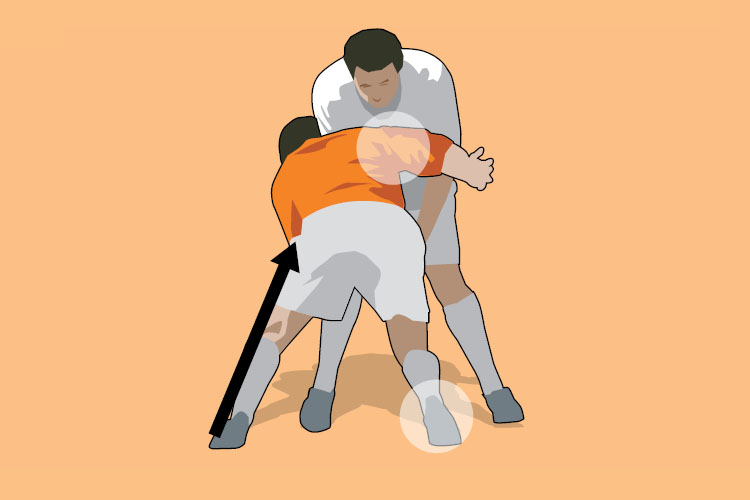
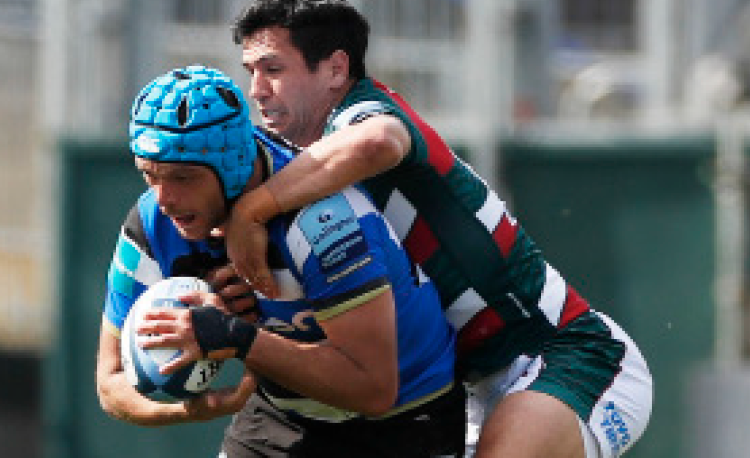
“Same shoulder, same foot” is one method of making a powerful tackle, because it maximises the power through the body and into the tackle. It requires good technique and good timing, both of which this session works on.
Warm up time: 7-10
Session time: 10-15
Development time: 8-10
Game time: 15-20
Warm down time: 7-10
What to think about
There are not many tackles in a game where the tackler has time to think about which foot he is planting and which shoulder he hits with. Each player needs to build his confidence in his technique and test it out in a variety of situations. In this session’s small-sided game, you can start the game off at walking pace to help players gain confidence, while focusing on their technique. Most players have a preferred shoulder to tackle with, so make sure that they practise with both, sometimes spending more time on the weaker one.set-up
- Plant one foot in front of the ball carrier and hit with the same shoulder.
- Drive through the tackle with the other foot to knock the ball carrier back.
- Land on top of the ball carrier and compete for the ball.
What you get your players to do
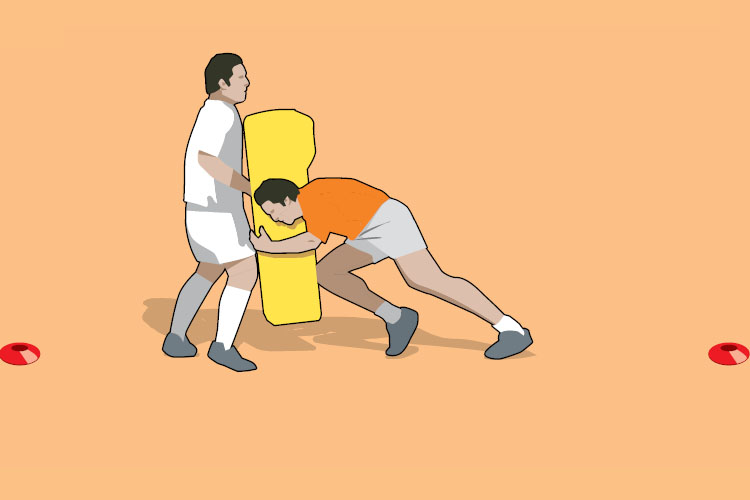
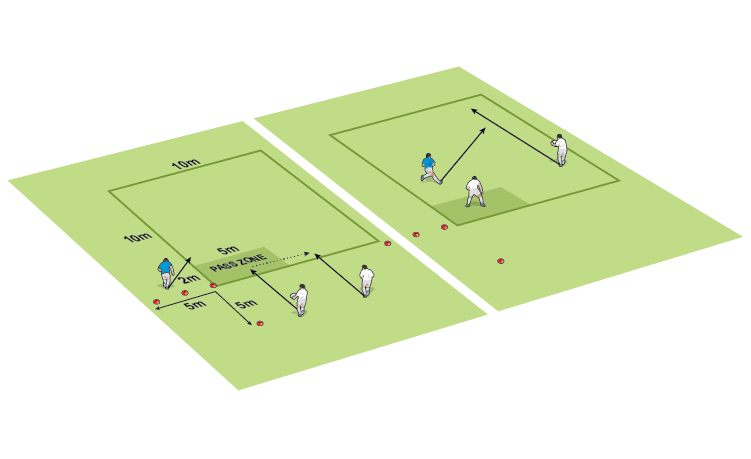
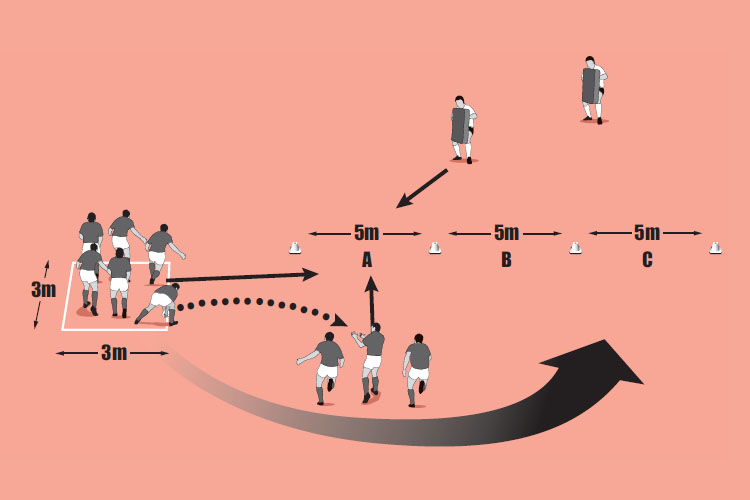
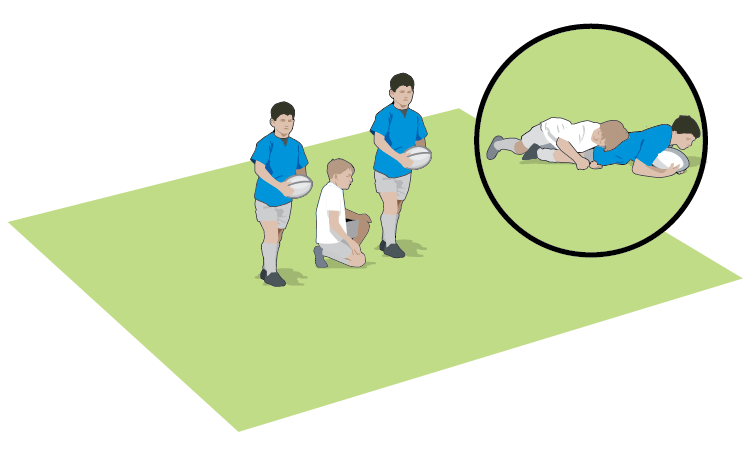
Set up an attacker with a ruck pad and a defender five metres apart. The attacker initiates the exercise by moving towards the defender. The defender has to close down the space, plant his right foot, hit with his right shoulder and then follow through the tackle by driving with his left leg initially. Perform five hits with the right shoulder and then repeat with the left shoulder.Development
- The attacker moves sideways as he moves forward, making a harder target for the defender to hit.
- Add a second attacker. As they move forward nominate which one the defender has to hit. This makes him adjust his footwork to make a good hit.
Related Files
Game situation
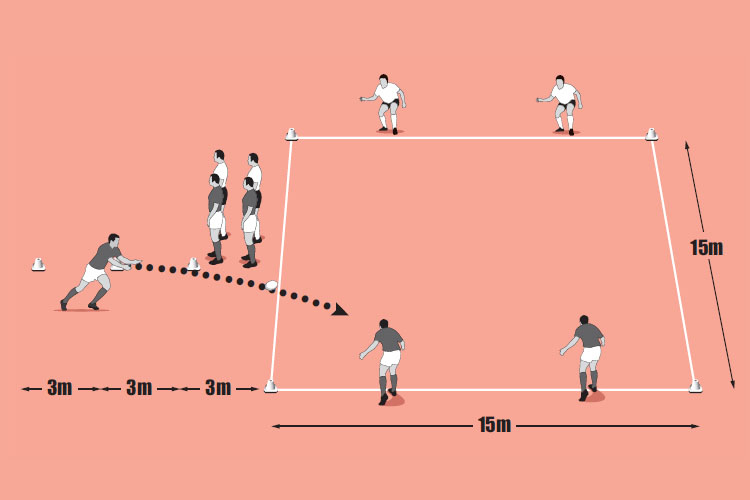
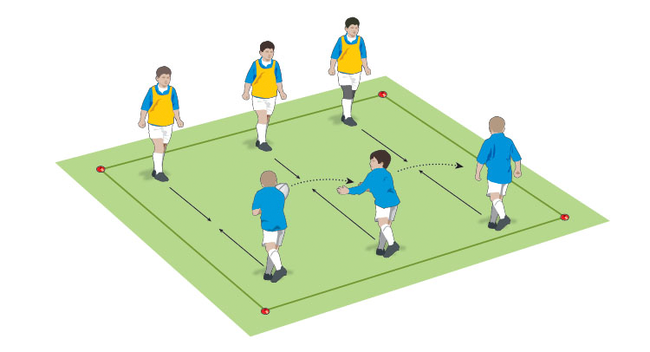
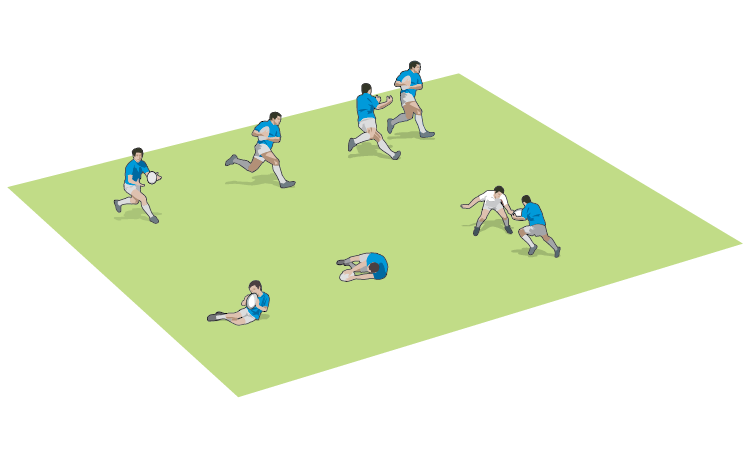
Divide into attackers and defenders. Split each group in half again, putting one set of players on each corner of the channel. Label the defending corners 1 and 2, and the attacking corners A and B. Call one attacker and one defender into the channel. The ball carrier has to beat the defender and score, whilst the defender has to make a tackle and win the ball on the ground. Score 1 point for a try, 1 point for a successful tackle and 2 points for a same shoulder, same foot tackle.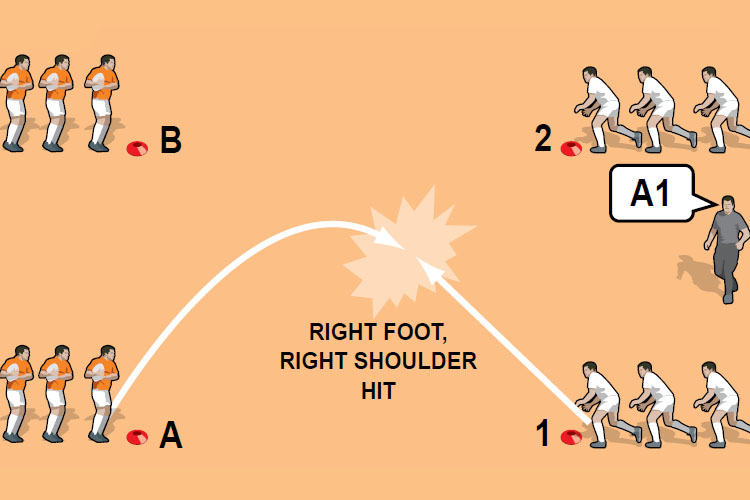
What to call out
- “Get your planted foot in front of the ball carrier”
- “Stay upright as long as possible”
- “Short fast steps to drive the ball carrier back”

Dan Cottrell
Latest Issue
Subscribe Today
Subscribe Today
Newsletter Sign Up
Coaches Testimonials

Colin Shaw

Gary Lee Heavner
Subscribe Today
Latest Issue
Be a more effective, more successful rugby coach
In a recent survey 89% of subscribers said Rugby Coach Weekly makes them more confident, 91% said Rugby Coach Weekly makes them a more effective coach and 93% said Rugby Coach Weekly makes them more inspired.
Get Weekly Inspiration
All the latest techniques and approaches


Rugby Coach Weekly offers proven and easy to use rugby drills, coaching sessions, practice plans, small-sided games, warm-ups, training tips and advice.
We've been at the cutting edge of rugby coaching since we launched in 2005, creating resources for the grassroots youth coach, following best practice from around the world and insights from the professional game.
