
 close
close


 LOGIN
LOGINRugby Coach Weekly is the largest digital resource for youth coaches, trusted by 15,000+ coaches, teachers and parents every month.
-
Coach with confidence
-
Improve your teams faster
-
Run great sessions with less effort
- Expert coaching advice from TOP Coaches
- Training sessions for players from U6 to U17+.
Low tackling


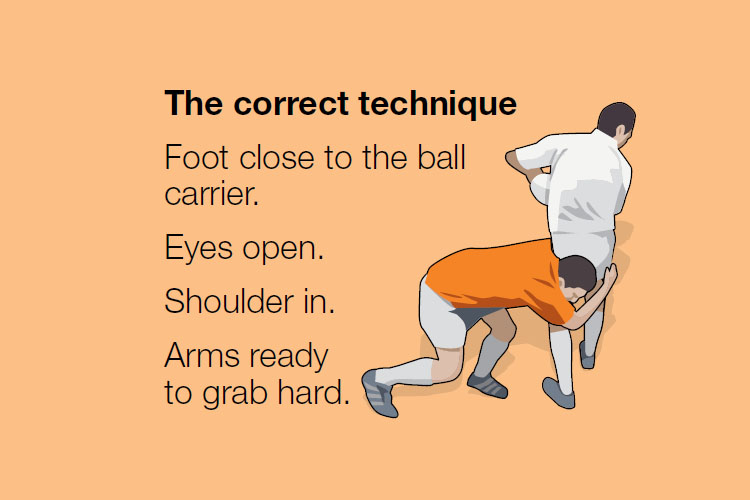
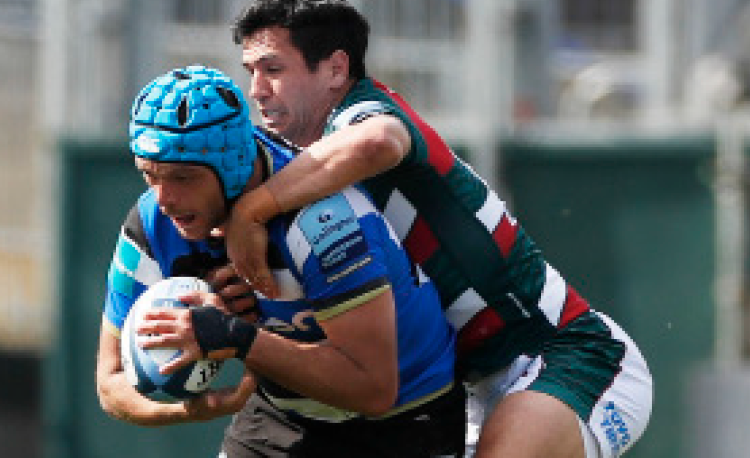
Low tackles stop the progress of ball carriers. While they are more difficult to avoid, they also require more courage on the part of the tackler. So use this session to encourage good technique, but also create greater confidence in the tackle.
Warm up time: 5-7
Session time: 8-10
Development time: 8-10
Game time: 15-20
Warm down time: 5-7
What to think about
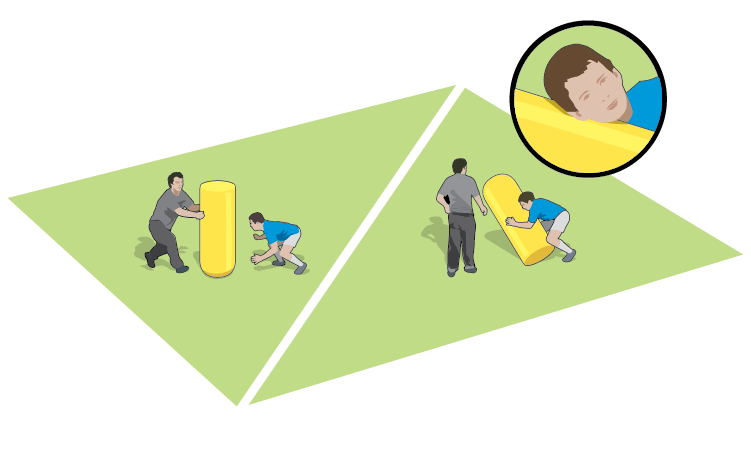
This session uses a learning style that works backwards. That is, the practice starts with the tackle almost complete. It then develops with the previous element of the tackle technique being introduced. The sequence is:- In the tackle position just before taking the ball carrier to ground. Shoulder and arms are engaged with the ball carrier, with the head behind and foot close to the target.
- The position just before stepping into the tackle. The tackler’s eyes are on the target, with the body bent at the hips and arms out ready to wrap around.
- Moving into the tackle. Balanced running, on the balls of the feet, with eyes on the target.
set-up
- Aim at the shorts with your shoulder.
- Step in close to the ball carrier.
- Keep your eyes open, drive in the shoulder, wrap around with the arms and hold tight!
What you get your players to do
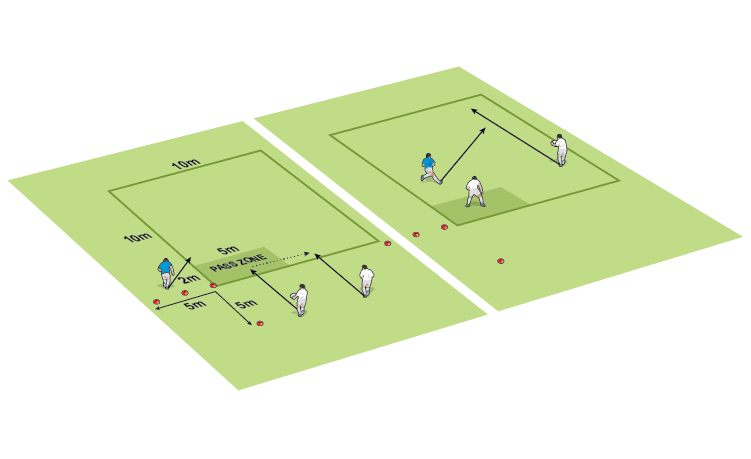
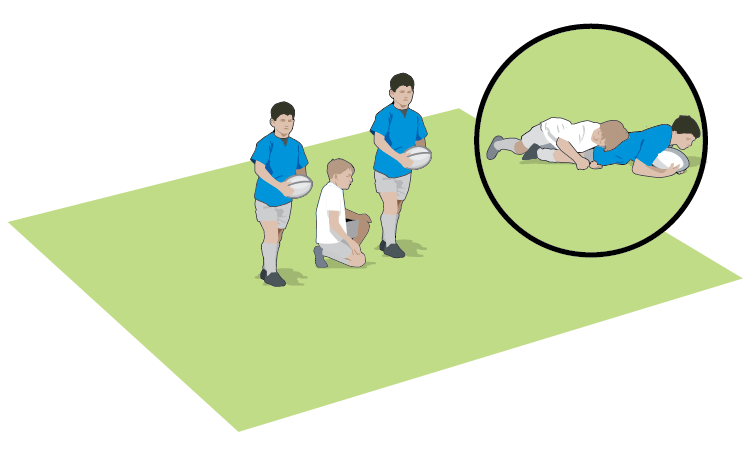
Place one player, holding a ball in both hands and with his feet together, next to a ruck pad on the ground (optional). Put another player (the tackler) to the other side in a crouched position, with his front foot next to the ball carrier and his arms nearly, but not quite, wrapped around the ball carrier. Ask the tackler to grab and complete the tackle with the ball carrier falling into the ruck pad. Progress by:- The tackler has his arms at the side, before grabbing and tackling.
- The tackler is one step away from the ball carrier, so he steps, grabs and tackles.
- The tackler walks in to make the tackle.
- The ball carrier walks and the tackler tackles him into the ruck pad.
Development
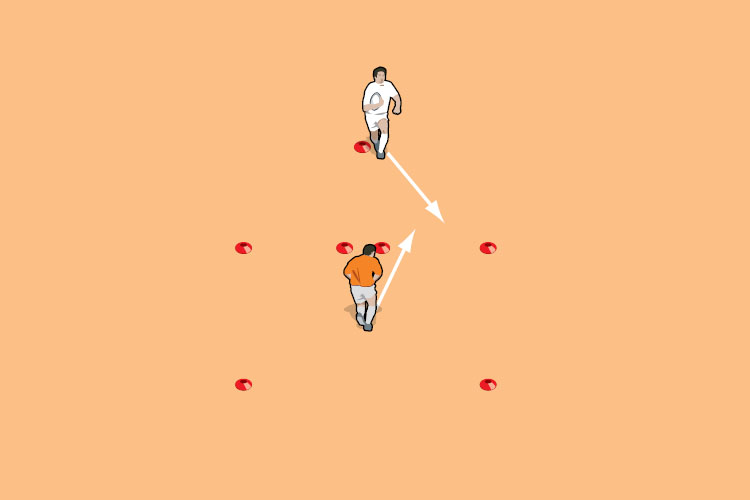
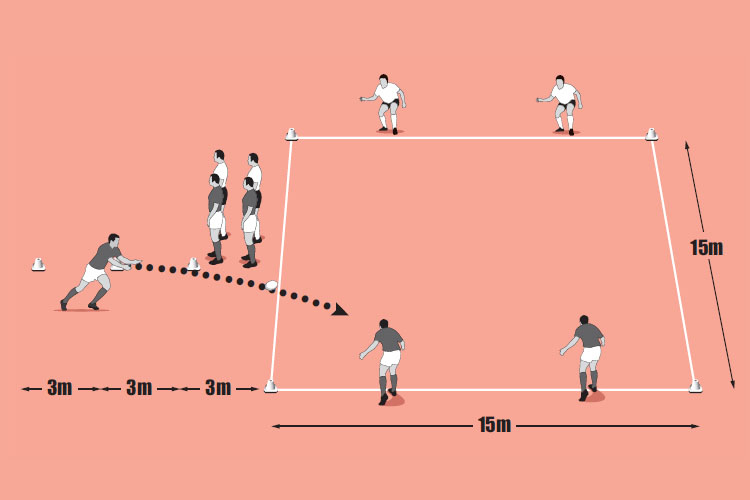
Set up a tackler and ball carrier as in the middle picture. Have the ball carrier run to either side of the central cones, keeping two hands on the ball. The tackler has to make a tackle before the ball carrier makes it to the far end, or tackle him out of the coned box. Change starting points to add or reduce the pace of the ball carrier.Related Files
Game situation
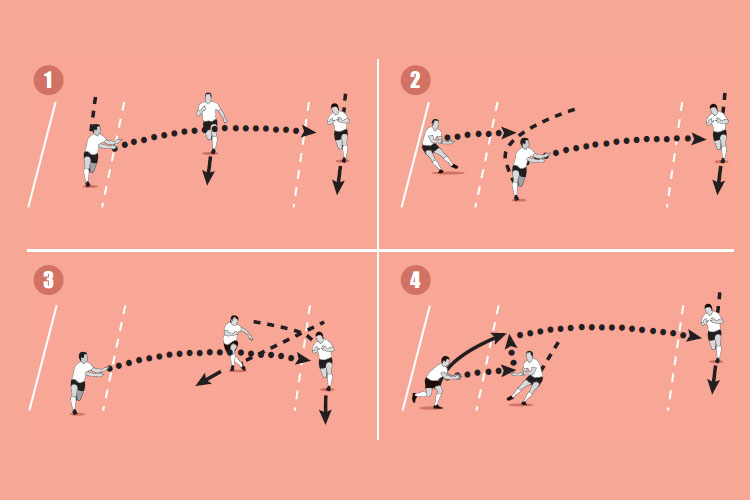
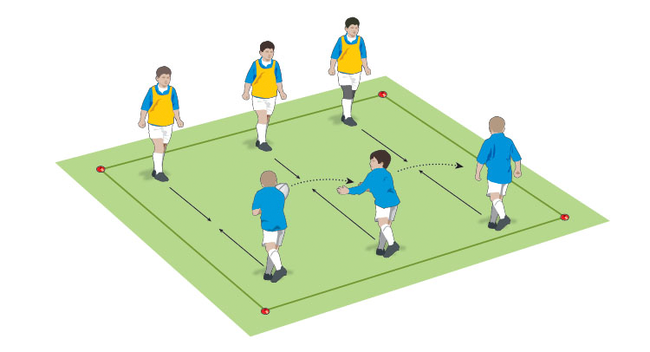
Set up two tacklers and three ball carriers as in the bottom picture. Shout out a letter or name of a ball carrier. That player aims to score over the far line, with one point awarded for reaching the first line between the cones, and two for reaching the second. Only one defender can tackle at a time, so they have to communicate well. See how many attempts it takes for the attack to score 10 points.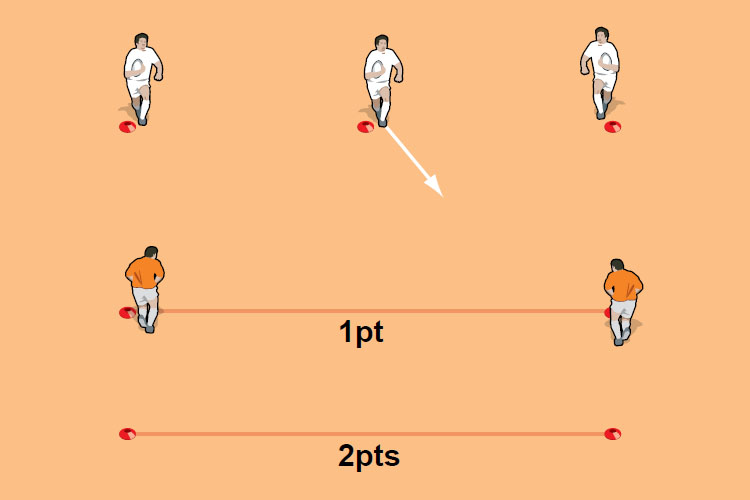
What to call out
- “Lock the head in behind the ball carrier”
- “Drive up and through the tackle, like a jet plane taking off”
- “Hold on tight”

Dan Cottrell
Latest Issue

Subscribe Today
Subscribe Today
Newsletter Sign Up
Coaches Testimonials

Colin Shaw

Gary Lee Heavner
Subscribe Today
Latest Issue
Be a more effective, more successful rugby coach
In a recent survey 89% of subscribers said Rugby Coach Weekly makes them more confident, 91% said Rugby Coach Weekly makes them a more effective coach and 93% said Rugby Coach Weekly makes them more inspired.
Get Weekly Inspiration
All the latest techniques and approaches


Rugby Coach Weekly offers proven and easy to use rugby drills, coaching sessions, practice plans, small-sided games, warm-ups, training tips and advice.
We've been at the cutting edge of rugby coaching since we launched in 2005, creating resources for the grassroots youth coach, following best practice from around the world and insights from the professional game.
