
 close
close


 LOGIN
LOGINRugby Coach Weekly is the largest digital resource for youth coaches, trusted by 15,000+ coaches, teachers and parents every month.
-
Coach with confidence
-
Improve your teams faster
-
Run great sessions with less effort
- Expert coaching advice from TOP Coaches
- Training sessions for players from U6 to U17+.
In the pocket


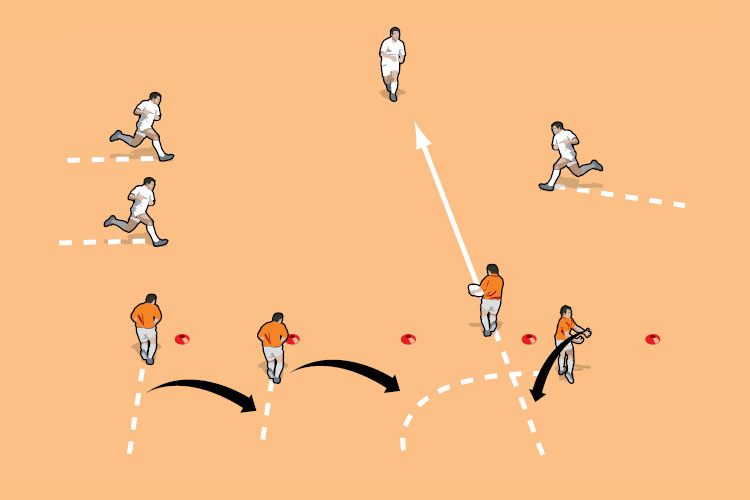
It is rare that a move penetrates the line and leads to a free run to the try line. The “penetrating runner” will be the focus of the defence. He is now “in the pocket”, in space behind the defensive line but with covering defenders closing in. He needs to find his support and his support need to find him.
Warm up time: 5-7
Session time: 10-15
Development time: 10-15
Game time: 10-15
Warm down time: 7-10
What to think about
If the penetrating player is finding it hard to make the right decisions, then draw the scenario on a board or paper. You can then support him by going through each situation and what the best option in each may be. Sometimes players struggle to get themselves into good positions to support the player in the pocket. Ask the support players first to get close to the ball carrier, then to support further away. Vary this until the best solution is found.set-up
- Focus on the initial move you are doing to break through the initial line of defence.
- Decide who the “penetrating player” will be that goes through into the pocket.
- Once through, quickly change your initial role to one of support.
- If you are the ball carrier “in the pocket” behind the defence, make the defence move to create space for your support.
What you get your players to do
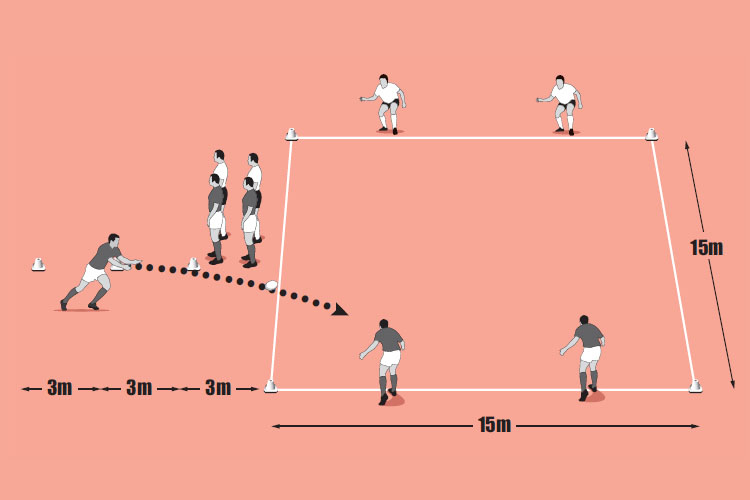
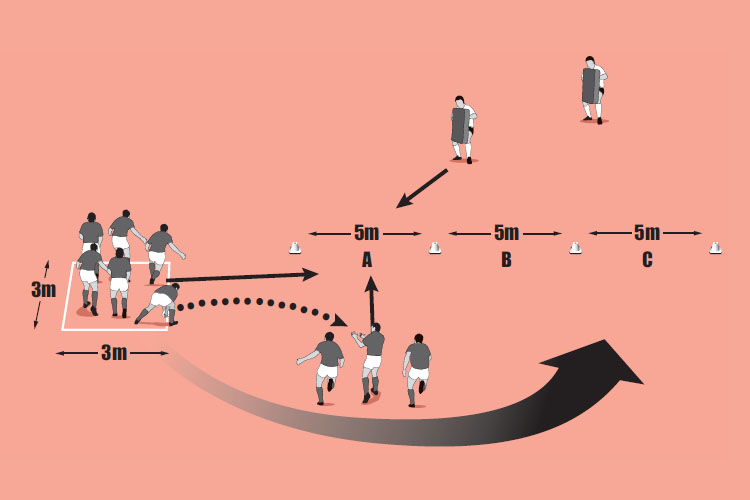
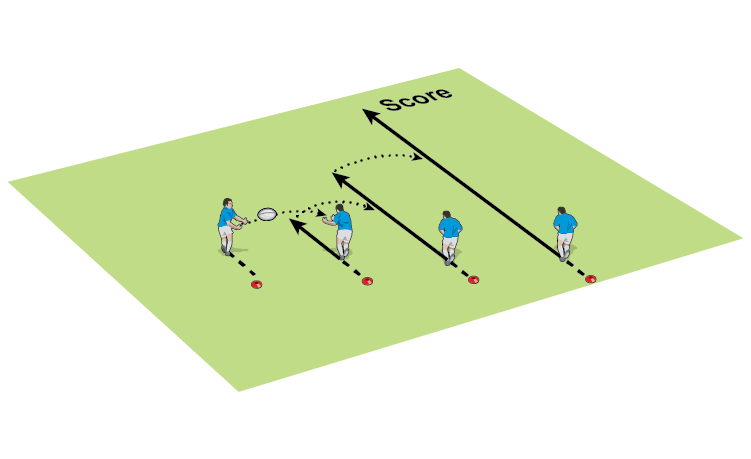
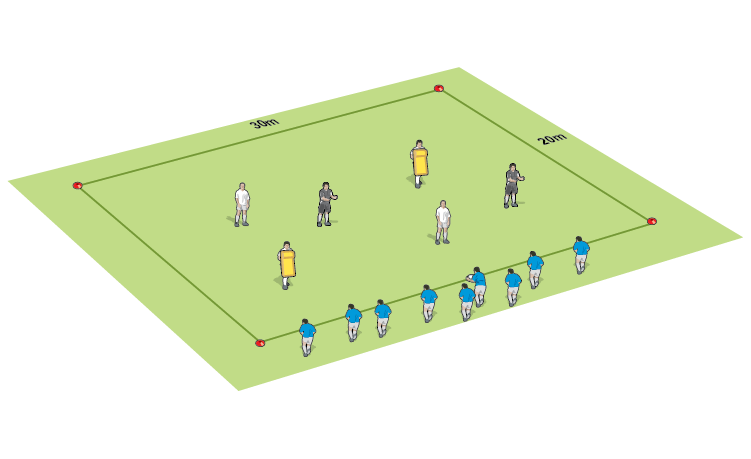
Split your players into groups of four attackers and four defenders. Spread out the defenders as in the top picture. Get the attackers to plan a move and beat an initial defensive line of cones or poles. The penetrating player is now in a pocket of space, with a defender in front and three defenders closing in from the sides. He has to move and draw these players away from where his support is and get the ball to his fellow attackers to score.Development
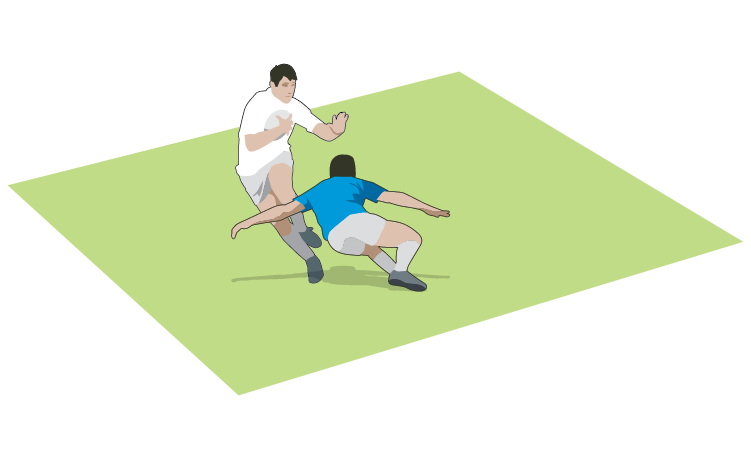
- Start with a touch tackle and then develop it into full contact.
- Add an initial defensive line of players who touch tackle, but can then chase back and cover using a contact tackle.
- Make the width of the practice area wider or narrower.
- Start the process from set piece situations at various points on the pitch and from different types of delivery.
Related Files
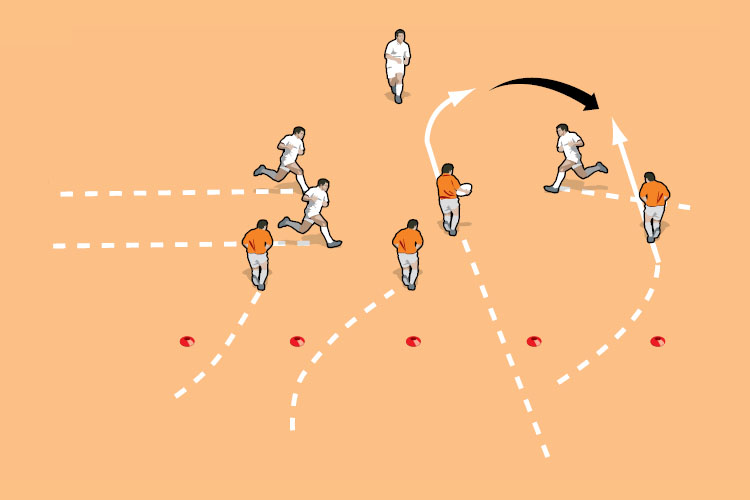
Game situation
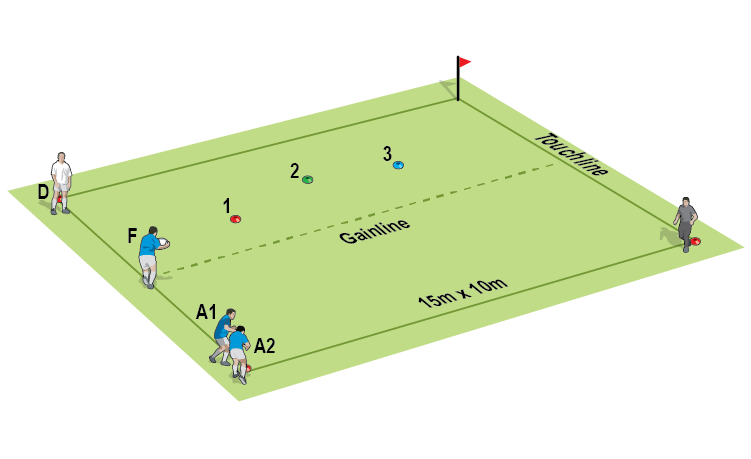
Split into two teams of a minimum six players. Each team has four attempts to score from a set piece situation you set up. The initial line of defenders can only touch tackle, so the attack can either break through cleanly or offload at the touch tackle point. This will put a player in the pocket. From this point play full contact rugby.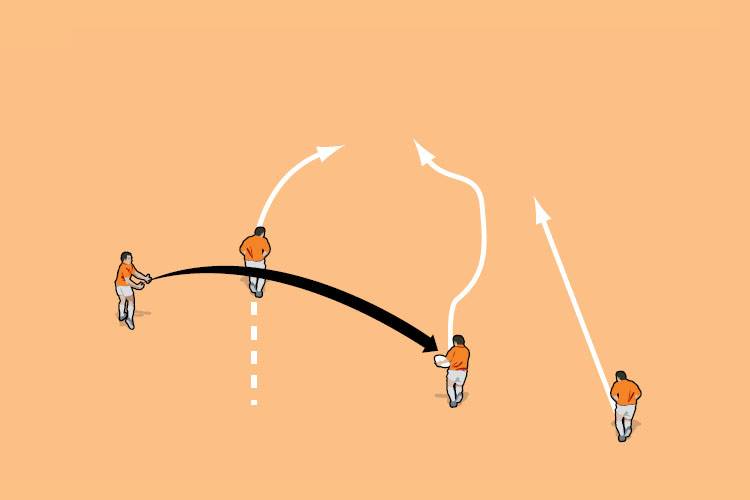
What to call out
- “Sharp, snappy move”
- “Hit the gap and keep the pace up in the pocket”
- “Depth and width in support”
- “Pull the defender and pass”

Dan Cottrell

Latest Issue

Subscribe Today
Subscribe Today
Newsletter Sign Up

Coaches Testimonials

Colin Shaw

Gary Lee Heavner
Subscribe Today
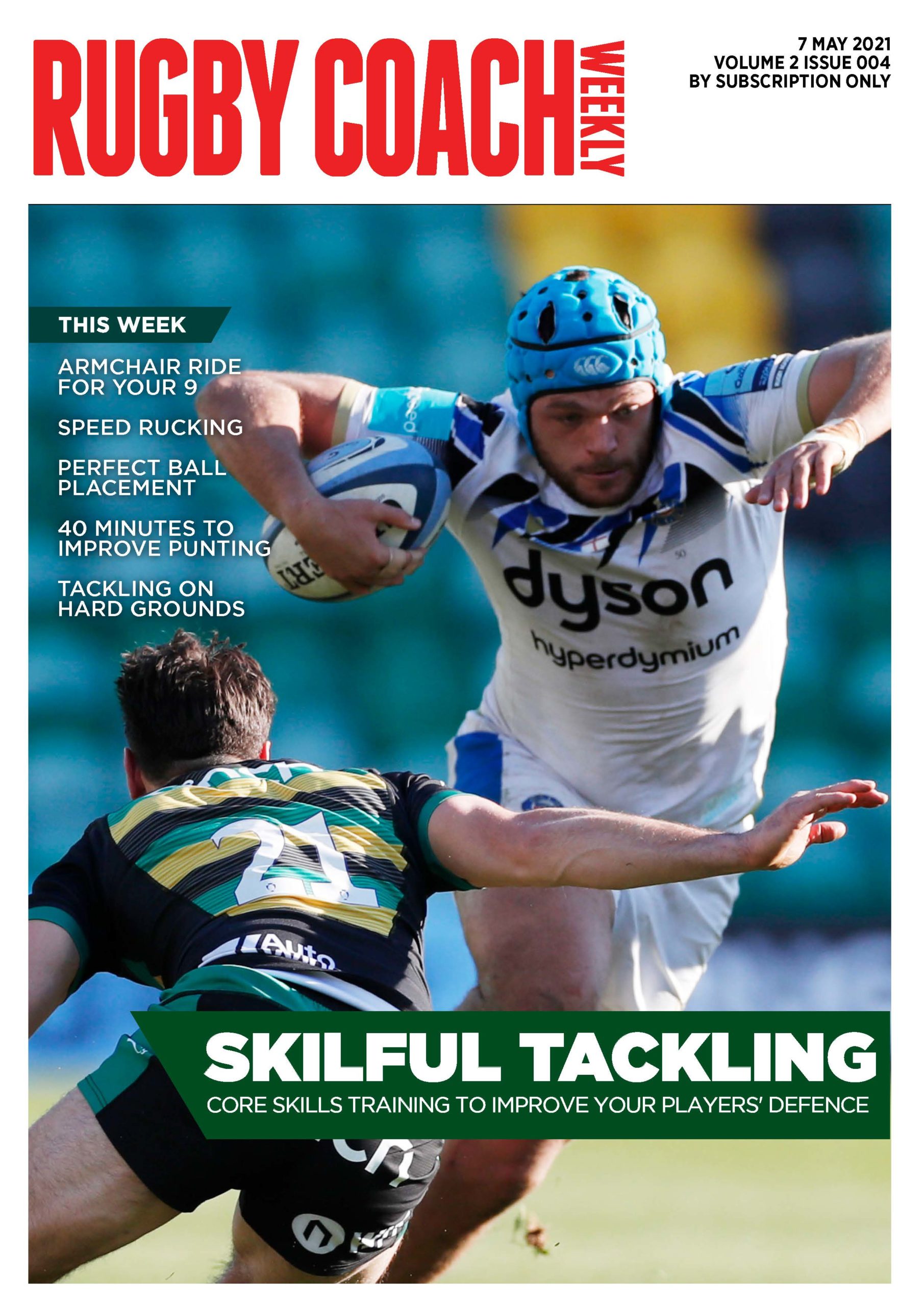
Latest Issue
Be a more effective, more successful rugby coach
In a recent survey 89% of subscribers said Rugby Coach Weekly makes them more confident, 91% said Rugby Coach Weekly makes them a more effective coach and 93% said Rugby Coach Weekly makes them more inspired.
Get Weekly Inspiration
All the latest techniques and approaches


Rugby Coach Weekly offers proven and easy to use rugby drills, coaching sessions, practice plans, small-sided games, warm-ups, training tips and advice.
We've been at the cutting edge of rugby coaching since we launched in 2005, creating resources for the grassroots youth coach, following best practice from around the world and insights from the professional game.
