
 close
close


 LOGIN
LOGINHitting the wall (of noise)
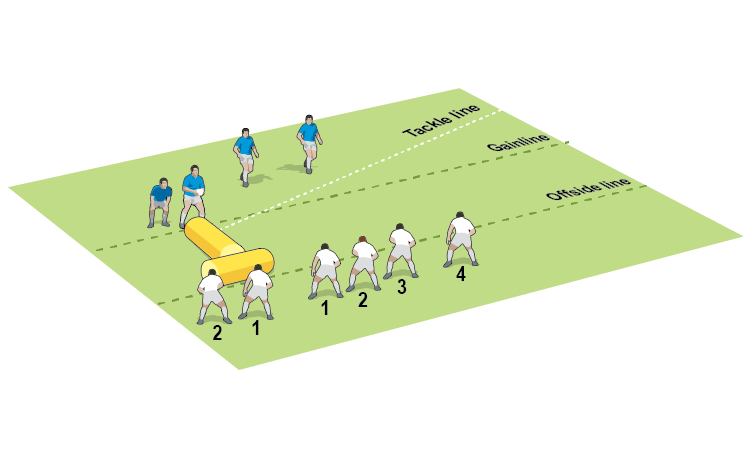
Defenders must be ready to take the man in front of them. This session focuses on man-to-man marking, so the attack feels like it is running into a wall of defenders. It requires good footwork and working with the other defenders to make sure there are no holes in that wall.Defenders must be very noisy at all times, constantly telling team mates who they are marking.
Warm up time: 5-7
Session time: 8-10
Development time: 10-15
Game time: 10-15
Warm down time: 5-8
What to think about
Most of the tackles in this session will be made on attackers who have not built up much momentum, most likely from the side of rucks. Defenders must create a “wall of noise” to help pressurise the attack. This is simply each defender shouting out who they are marking. Less experienced players will find this hard at first. It may even reduce their technical effort as they concentrate on calling out. However, they will find that the more they talk, the more confident they will become. It will encourage them and their team mates to be in good positions to take on the attack.set-up
- Get in front of “your” man.
- Close down his space as you move up with your team mates.
- Step into the tackle to win the collision.
What you get your players to do
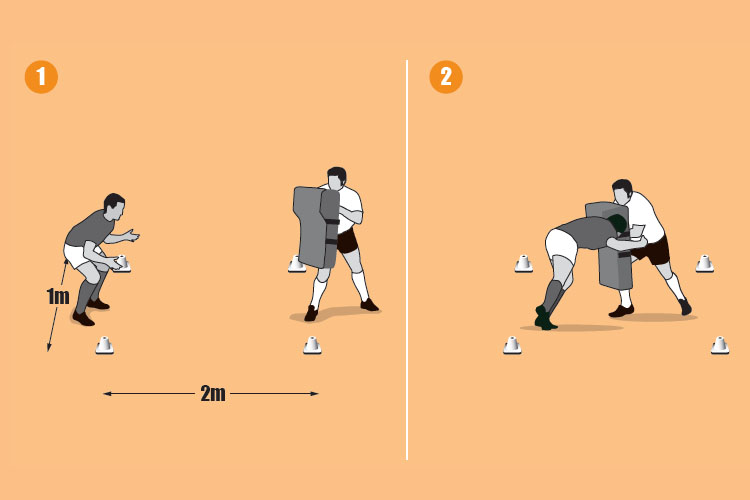
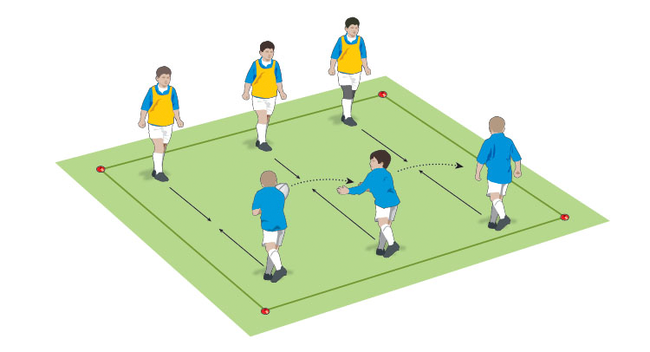
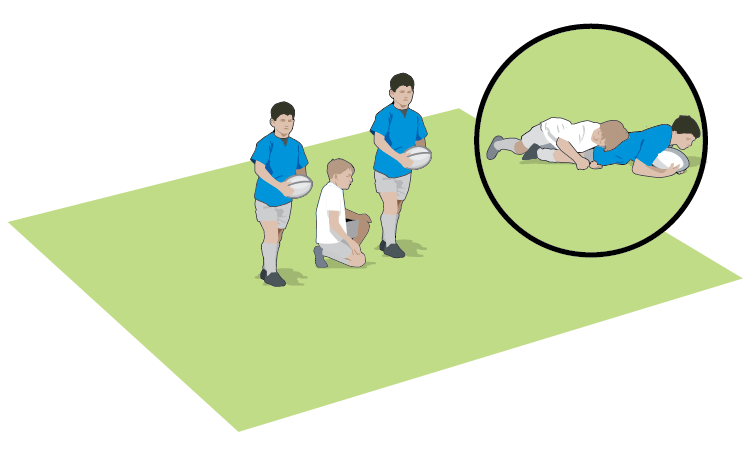
Split into pairs, or small groups, with one player holding a ruck pad. Put the ruck pad holder 2m away from a defender in a 1m wide channel. On your call, the two come forward and the defender executes a driving tackle at hip height or below into the ruck pad holder. Swap roles (see picture 1). Develop by making the ruck pad holder step one pace left or right, forcing the defender to change shoulders to make the contact.Be a more effective, more successful youth rugby coach
- Win more games, without sacrificing the crucial element of fun
- Develop every player, regardless of vast differences in ability
- Run a respected, professional programme - even with a full-time job and limited time
Subscribe for full access
Or register and unlock 2 free articles,
receive our weekly newsletter, and
get a FREE coaching e-book.
Or if you are already a subscriber login for full access.

Dan Cottrell

Latest Issue

Subscribe Today
Subscribe Today
Newsletter Sign Up

Coaches Testimonials

Colin Shaw

Gary Lee Heavner
Subscribe Today
Latest Issue
Be a more effective, more successful rugby coach
In a recent survey 89% of subscribers said Rugby Coach Weekly makes them more confident, 91% said Rugby Coach Weekly makes them a more effective coach and 93% said Rugby Coach Weekly makes them more inspired.
Get Weekly Inspiration
All the latest techniques and approaches


Rugby Coach Weekly offers proven and easy to use rugby drills, coaching sessions, practice plans, small-sided games, warm-ups, training tips and advice.
We've been at the cutting edge of rugby coaching since we launched in 2005, creating resources for the grassroots youth coach, following best practice from around the world and insights from the professional game.
