
 close
close


 LOGIN
LOGINRugby Coach Weekly is the largest digital resource for youth coaches, trusted by 15,000+ coaches, teachers and parents every month.
-
Coach with confidence
-
Improve your teams faster
-
Run great sessions with less effort
- Expert coaching advice from TOP Coaches
- Training sessions for players from U6 to U17+.
Gap attack


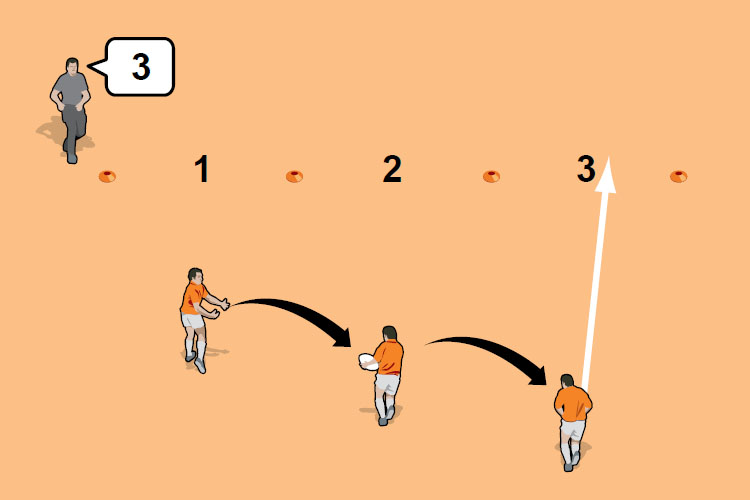
In open play we want our players to identify the gaps in the defence AND move the ball towards those gaps AND then go through the gaps. This session works on these simple ideas, which you know are not so easy to execute.
Warm up time: 7-10
Session time: 5-7
Development time: 10-15
Game time: 10-15
Warm down time: 7-10
What to think about
- Are the players able to spot the undefended area?If the attackers are unable to spot the gap while running forward and passing, let the defenders get into position first. Then have a five second delay before the attack begins. This will give the attackers more time to spot the undefended gap.
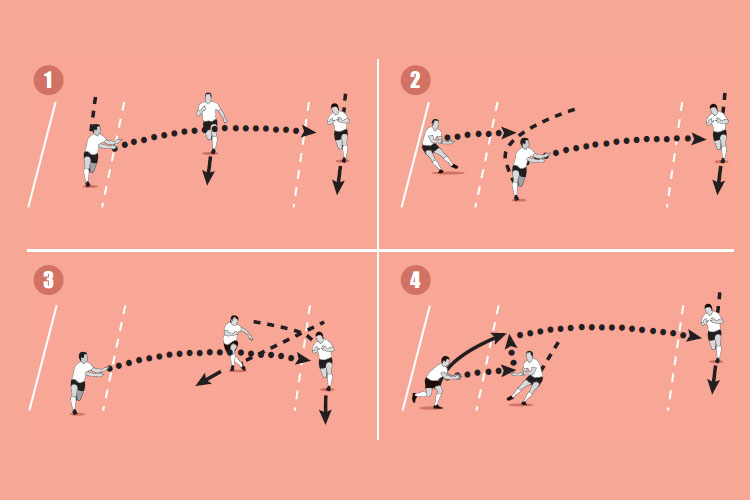
- Do the players use a variety of methods to move the ball to the gap?With the defence putting pressure on, ask the attack how they could get the ball to the player with the space in front of him. Look for answers such as using a miss pass or a “screen pass” (a pass behind another player).
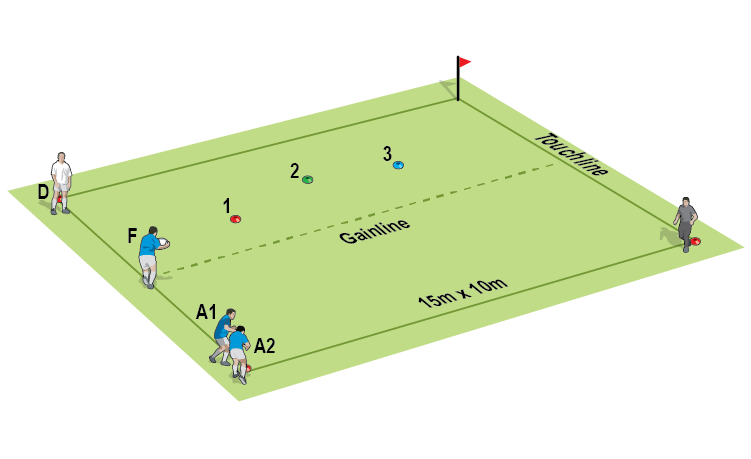
set-up
- As the defence gets into position look for the gap.
- Communicate where the gap is to your team mates.
- Run towards the defence and pass the ball to the player with no defender in front of them.
What you get your players to do
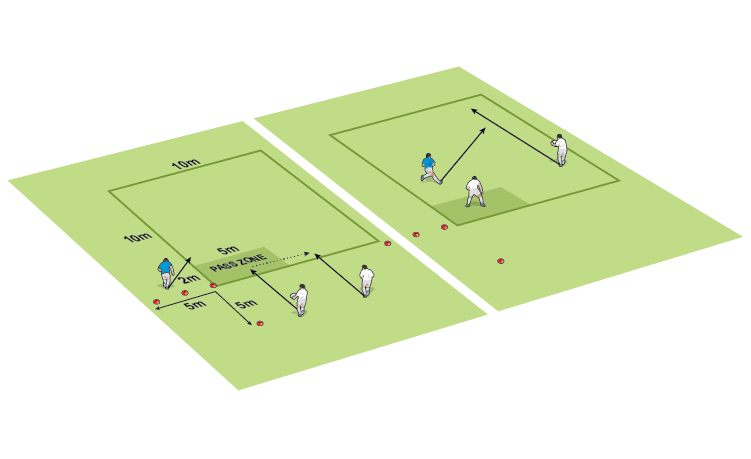
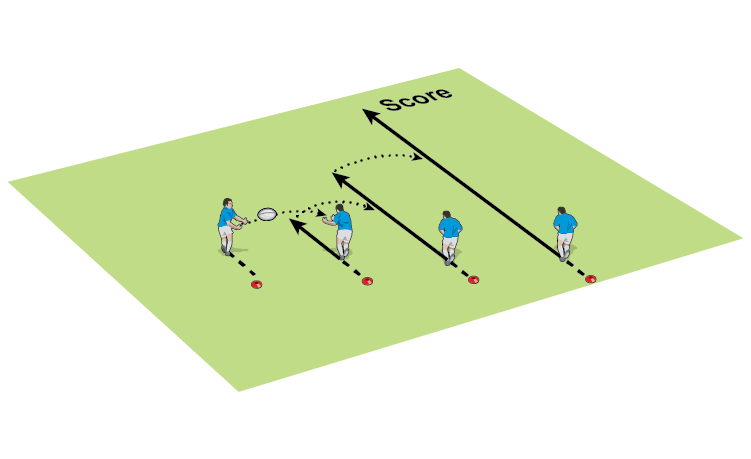
Split your players into groups of three with a ball. Line them up opposite three wide “gates”, each with a number. Shout a gate number and the players run forward, passing the ball to the player in front of that gate. Develop the exercise by adding more players and gates.Development
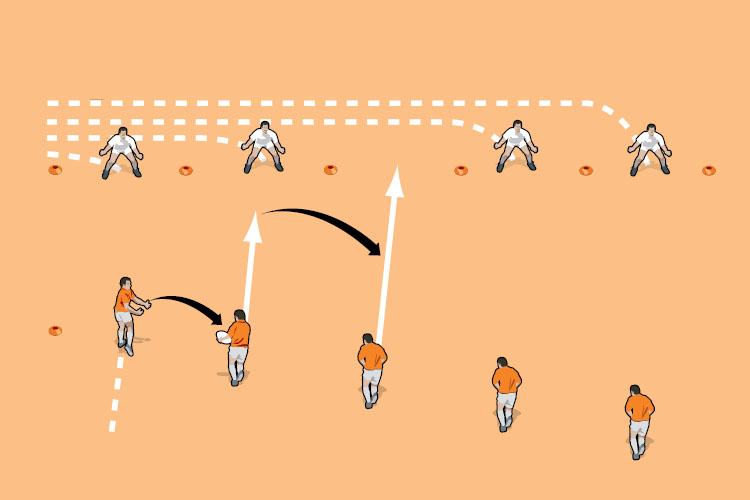
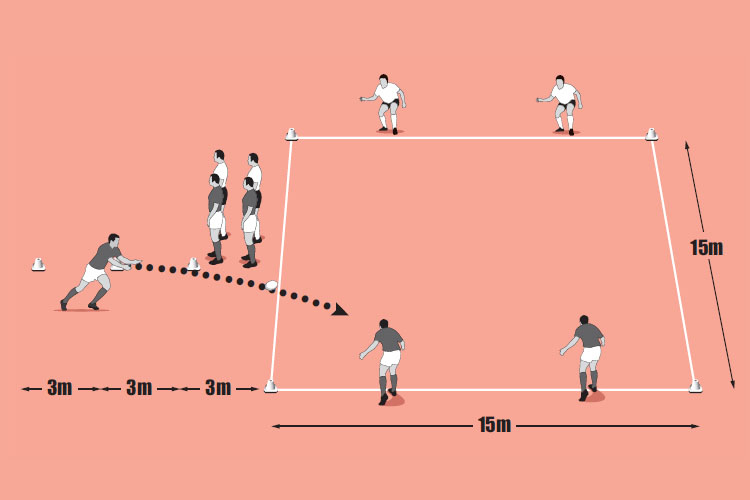
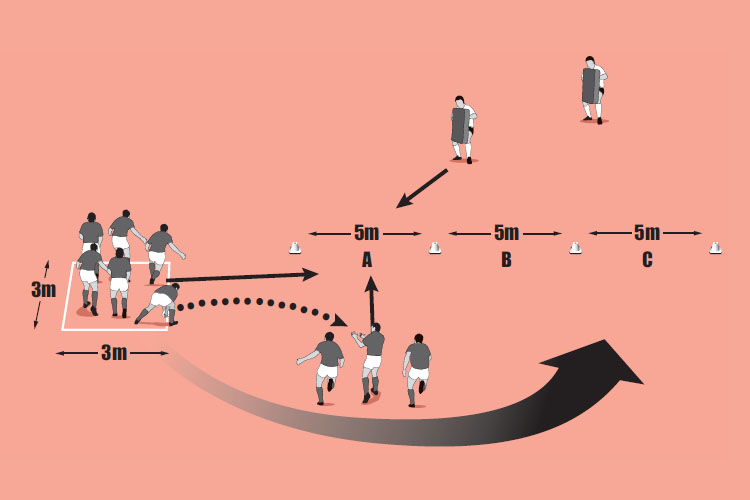
Split your players into teams of five attackers and four defenders. Have the attackers align themselves in an attacking formation. Start the four defenders from the side of the area. They each run out to take up position opposite one of the attackers. As soon as they get in position, the attackers have to run and pass the ball to the player opposite the empty “gate”. Initially, restrict the defenders so they cannot drift or slide, but must stay opposite their attacker. Alternatively you can secretly allocate an attacker to a defender, leaving one player free. Start with touch tackling.Related Files
Game situation
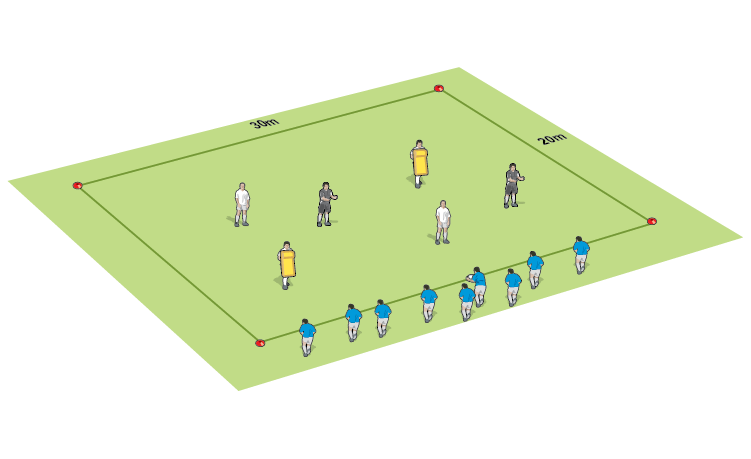
Split your players into teams of 12 attackers and 4 defenders. There should be plenty of opportunities to spot the gaps and break through the defence to score. However, after every score, the scoring player joins the defence until the defence has more players than the attack, making it more and more difficult to break through. Play with touch rugby until the players get used to the decision making, then make it live contact.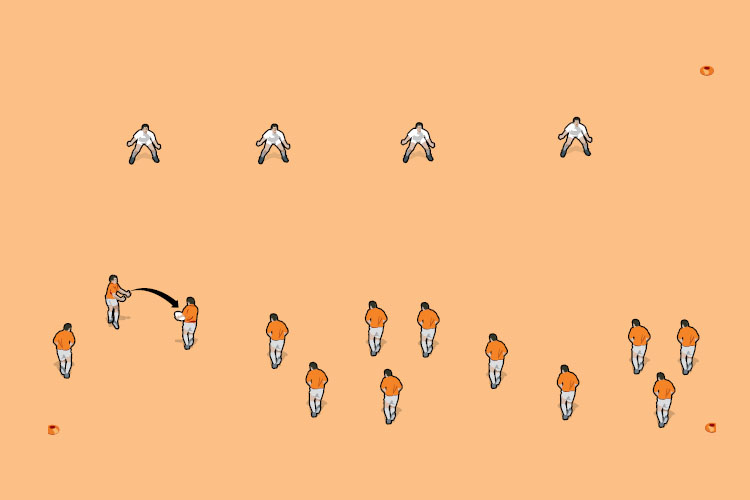
What to call out
- “Look up and scan”
- “Everyone move onto the pass”
- “Identify the key player”
- “Support the ball after you have passed it”

Dan Cottrell
Latest Issue
Subscribe Today
Subscribe Today
Newsletter Sign Up
Coaches Testimonials

Colin Shaw

Gary Lee Heavner
Subscribe Today
Latest Issue
Be a more effective, more successful rugby coach
In a recent survey 89% of subscribers said Rugby Coach Weekly makes them more confident, 91% said Rugby Coach Weekly makes them a more effective coach and 93% said Rugby Coach Weekly makes them more inspired.
Get Weekly Inspiration
All the latest techniques and approaches


Rugby Coach Weekly offers proven and easy to use rugby drills, coaching sessions, practice plans, small-sided games, warm-ups, training tips and advice.
We've been at the cutting edge of rugby coaching since we launched in 2005, creating resources for the grassroots youth coach, following best practice from around the world and insights from the professional game.
