
 close
close


 LOGIN
LOGINRugby Coach Weekly is the largest digital resource for youth coaches, trusted by 15,000+ coaches, teachers and parents every month.
-
Coach with confidence
-
Improve your teams faster
-
Run great sessions with less effort
- Expert coaching advice from TOP Coaches
- Training sessions for players from U6 to U17+.
Front-on tackles


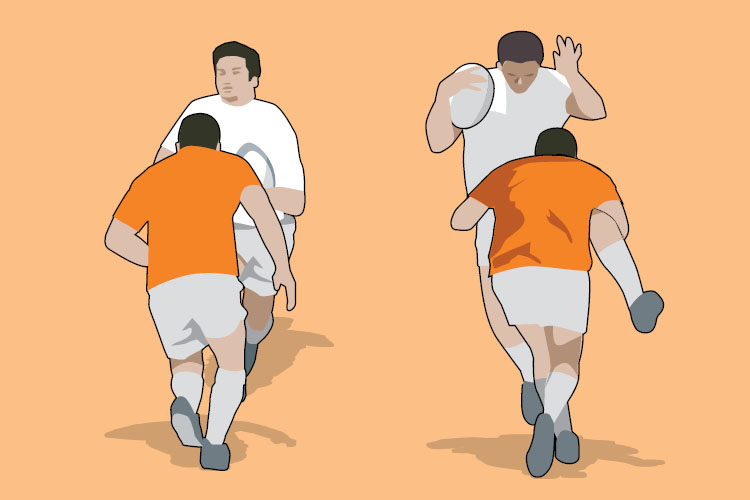
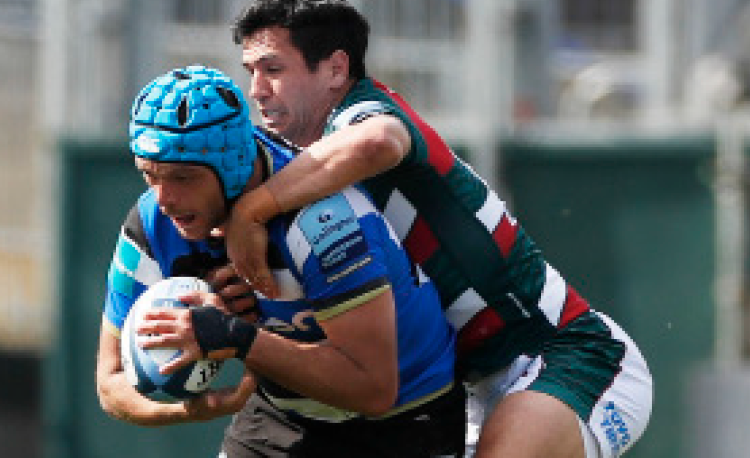
Most front-on tackles happen in close quarters. Neither tackler or ball carrier can adjust their lines to make it any other way. The majority of front-on tackles happen at the side of a ruck and the tackler has to choose whether to drive up and back or bring the player right down.
Warm up time: 5
Session time: 6-9
Development time: 6-9
Game time: 15-20
Warm down time: 7
What to think about
Simple laws of motion tell us that an object will knock back another object with a greater force. In rugby terms, a tackler who is static will find it more difficult make an aggressive front-on tackle, and, depending on relative weights, be knocked backwards. Therefore, he needs to move forward to meet the ball carrier. In reality, such an aggressive tackle can only happen when the ball carrier has not picked up much speed. The short distance allows the tackler to be in a strong position to drive forward. Otherwise, he will mishit and bounce off the tackle.set-up
- Pick your target (the ball carrier) early.
- Set yourself to come forward on your terms.
- Go from a low strong position and drive up and under the ball.
- Drive your head into the space right next to the ribs.
What you get your players to do
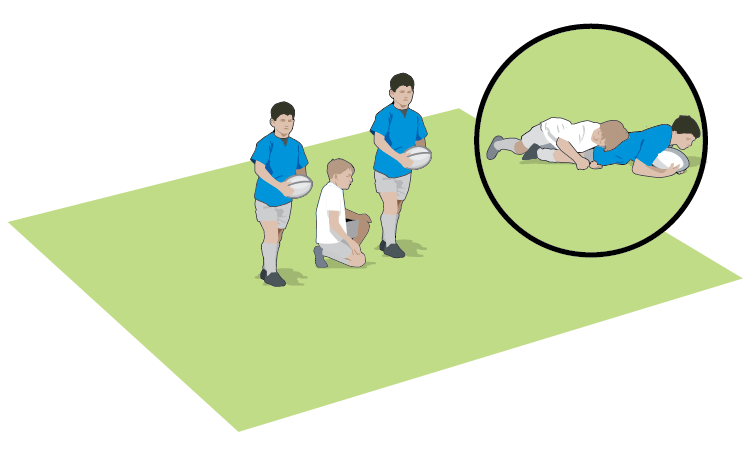
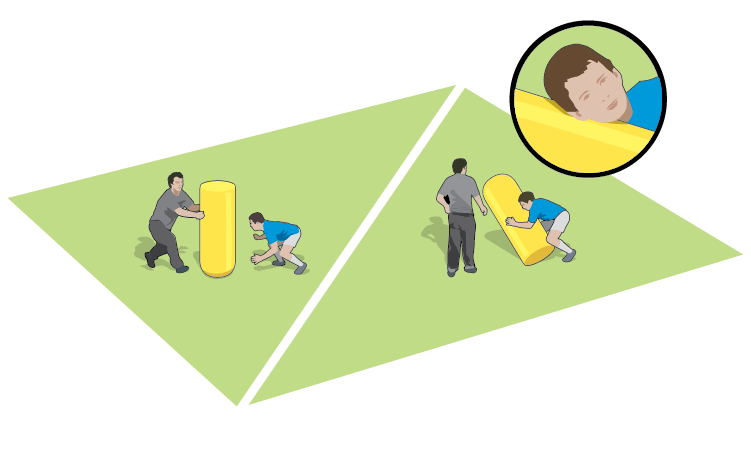
Split into pairs, with a ball each. The ball carrier skips up and down and side to side, but no more than one metre from his starting position. When you shout “GO”, the other player steps in and drives his shoulder under the ball. He wraps his hands around the ball carrier and lifts him up and back no more than a metre. Swap ball carriers and repeat.Development
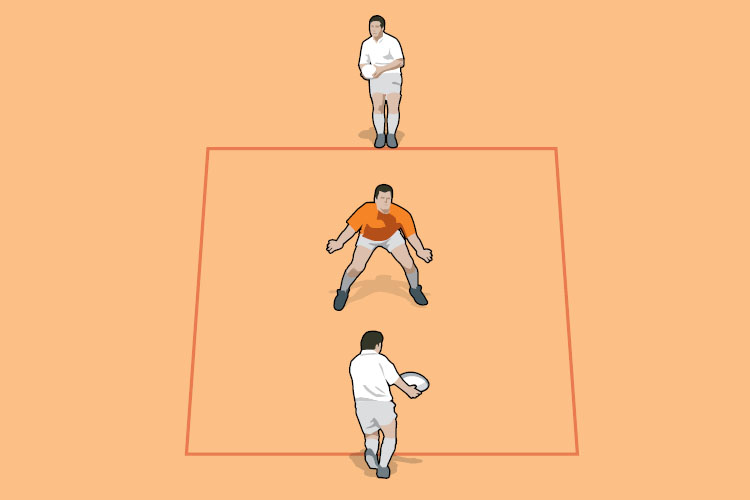
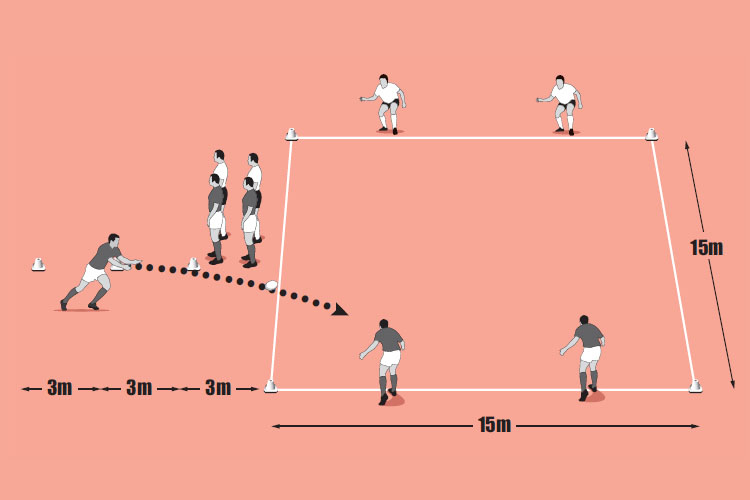
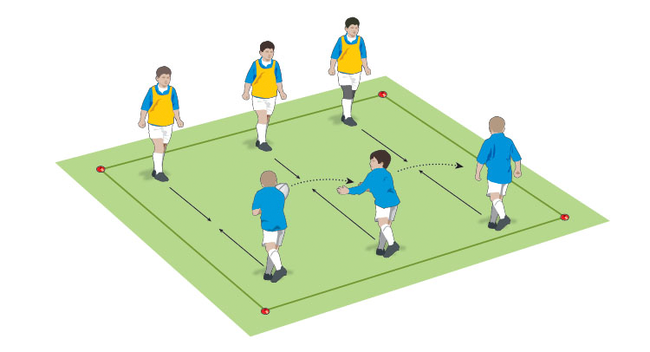
Put a defender in the middle of the box and an attacker at each end. One attacker enters the box. The defender tries to stop him reaching the other end. He scores a point for driving his opponent to the side and two points for back out the way he came in. After that tackle he turns and the other attacker comes forward. Adjust the pace of the attackers depending on the experience of the players. Repeat no more than six times for one defender before swapping roles.Related Files
Game situation
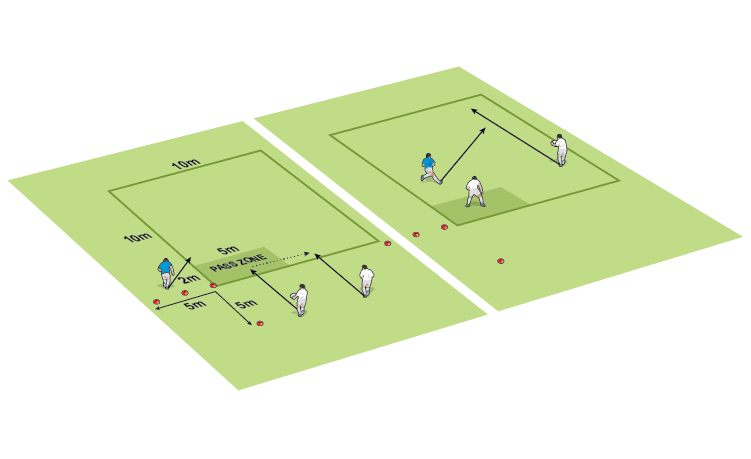
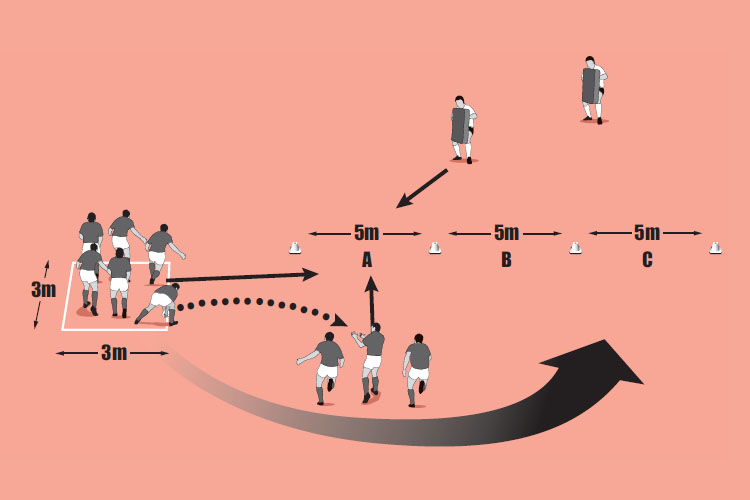
Put two defenders about 3m apart, beside a cone each, and an attacker in the middle about 2m away. Stand behind the defenders and show the attacker which cone to go around. That defender has to make sure the attacker does not get beyond the cone he is defending.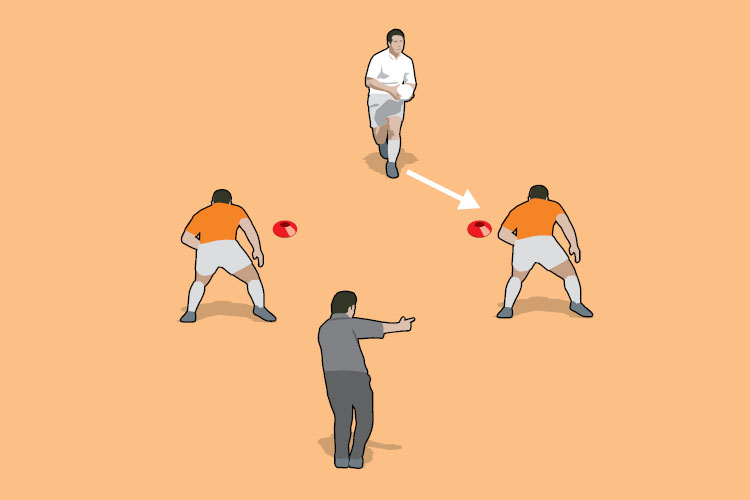
What to call out
- “Eyes open and focus on belly button”
- “Step into tackle, don’t wait for it”
- “Engage arms, drive in head, pump legs”

Dan Cottrell
Latest Issue

Subscribe Today
Premium Books
Subscribe Today
Newsletter Sign Up
Coaches Testimonials

Colin Shaw

Gary Lee Heavner
Subscribe Today
Latest Issue
Be a more effective, more successful rugby coach
In a recent survey 89% of subscribers said Rugby Coach Weekly makes them more confident, 91% said Rugby Coach Weekly makes them a more effective coach and 93% said Rugby Coach Weekly makes them more inspired.
Get Weekly Inspiration
All the latest techniques and approaches


Rugby Coach Weekly offers proven and easy to use rugby drills, coaching sessions, practice plans, small-sided games, warm-ups, training tips and advice.
We've been at the cutting edge of rugby coaching since we launched in 2005, creating resources for the grassroots youth coach, following best practice from around the world and insights from the professional game.
