
 close
close


 LOGIN
LOGINRugby Coach Weekly is the largest digital resource for youth coaches, trusted by 15,000+ coaches, teachers and parents every month.
-
Coach with confidence
-
Improve your teams faster
-
Run great sessions with less effort
- Expert coaching advice from TOP Coaches
- Training sessions for players from U6 to U17+.
Fielding


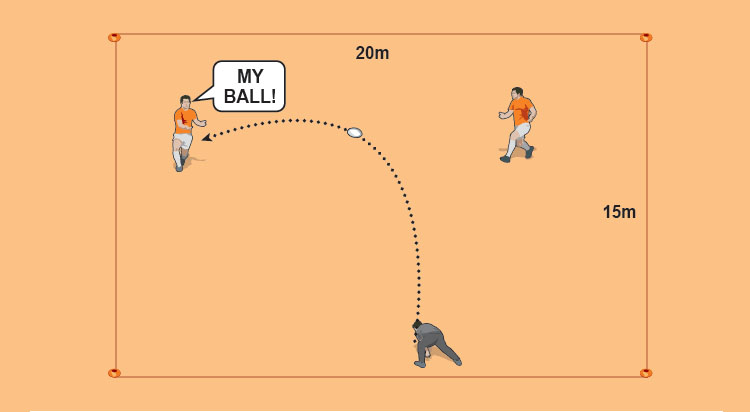
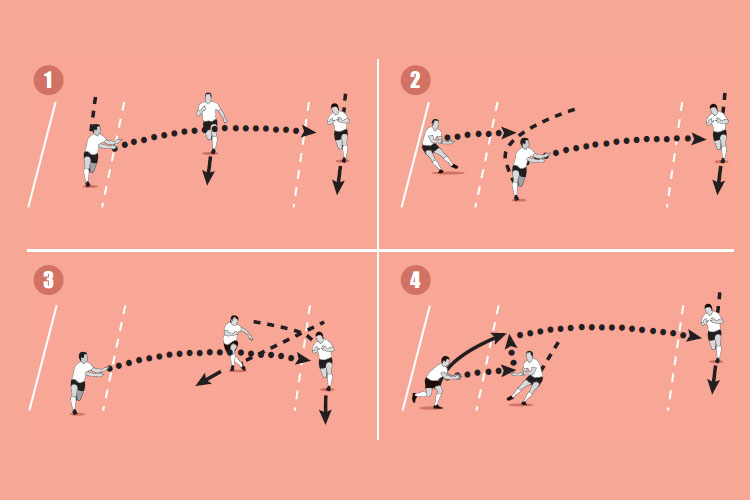
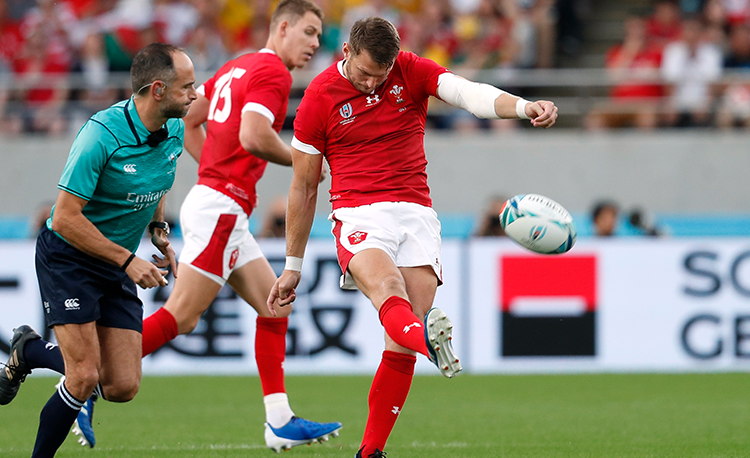
Any player may need to catch the high ball. Usually forwards from the kick off, backs from open play. The principles of “fielding” the catch include being aware of your support players and thinking what to do next. This session builds on those principles.
Warm up time: 7-10
Session time: 10-15
Development time: 10-15
Game time: 10-15
Warm down time: 7-10
What to think about
- Are the players using both hands and their chest to field the ball successfully?Practice some catching with the players in pairs throwing high passes to each other. The fielding player moves and uses the “three points”, that is both hands and the chest, to catch the ball.
- Is the catcher giving an early call that it’s his ball?Throw or kick the ball to two players standing 10 metres apart. Make it fairly obvious who the ball is going to but encourage the players to shout for it. Develop the exercise by landing the ball between the players so there could be some indecision unless they communicate well.
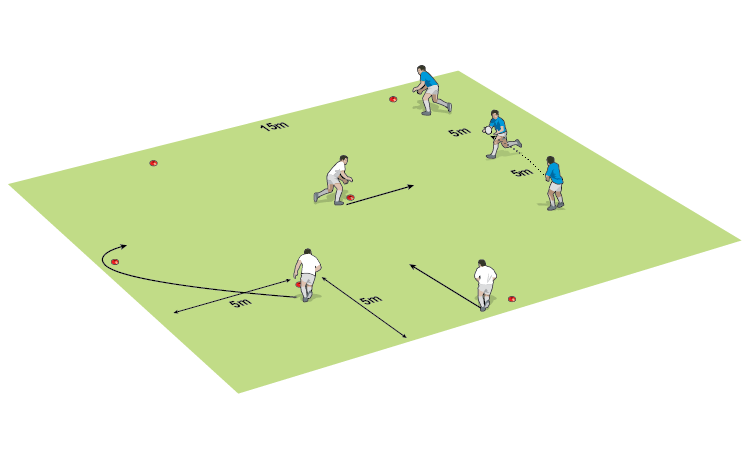
set-up
- Call for the ball early and move quickly to catch it before it hits the ground.
- Turn your body sideways as you field the ball to stop any knock ons.
- Have your hands above your head with the palms facing you.
- As you gather the ball pull it into your chest.
What you get your players to do
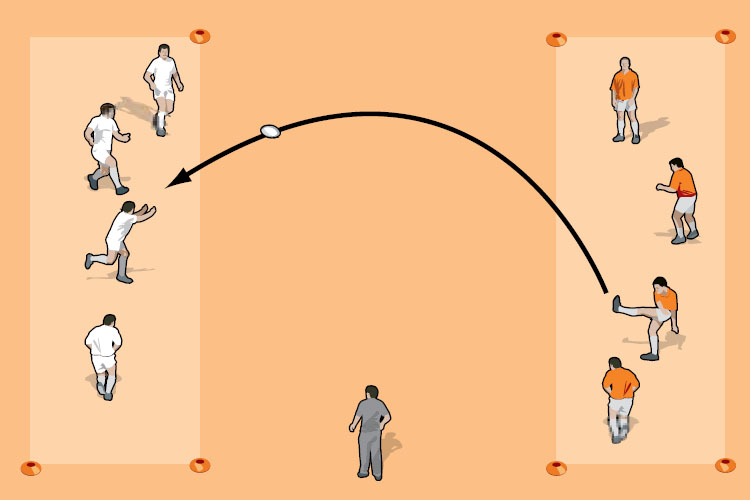
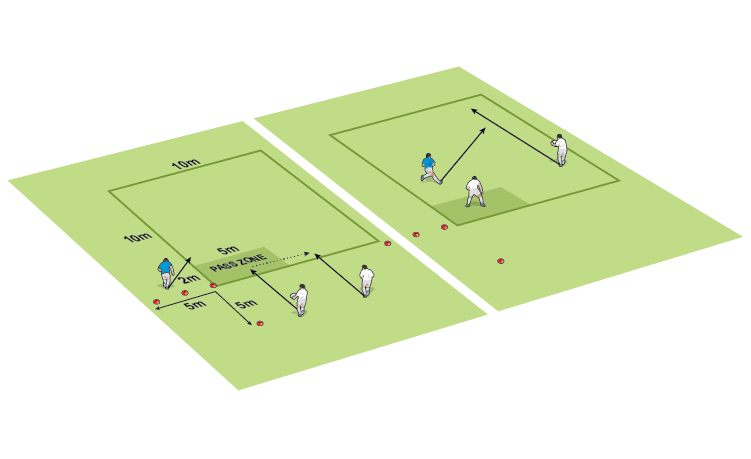
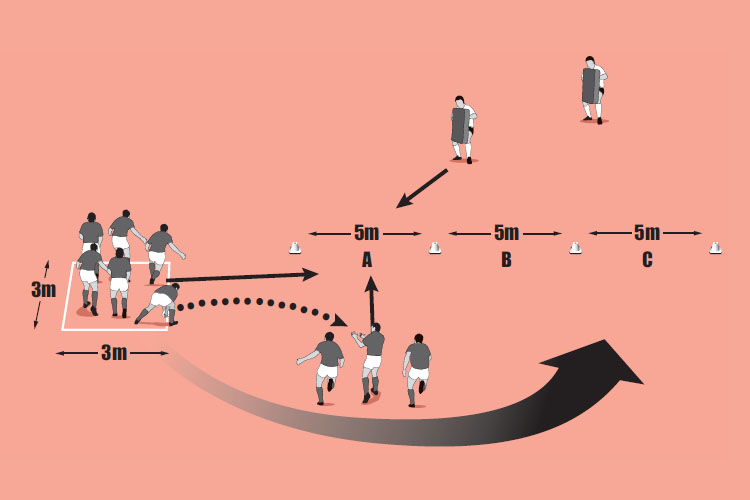
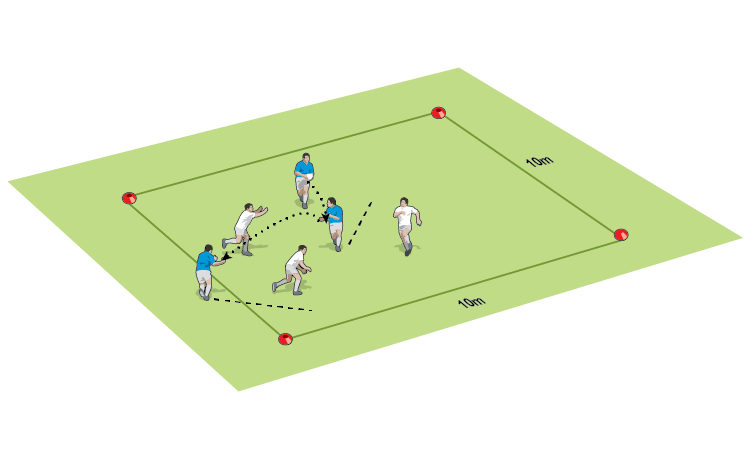
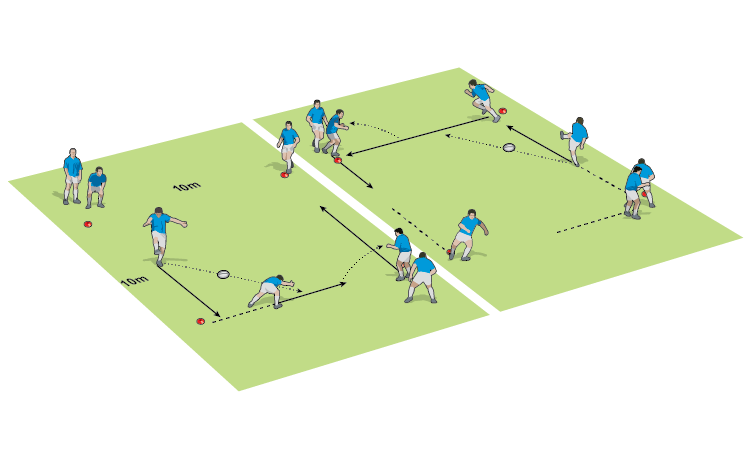
Split your players into two groups of four with one group in each area. The players have to kick the ball from their area into the opponent’s area. If the ball is caught, the fielding team scores a point. If dropped or the ball hits the ground in the area, the kicking team scores a point. The fielding team also scores if the ball lands outside the fielding area.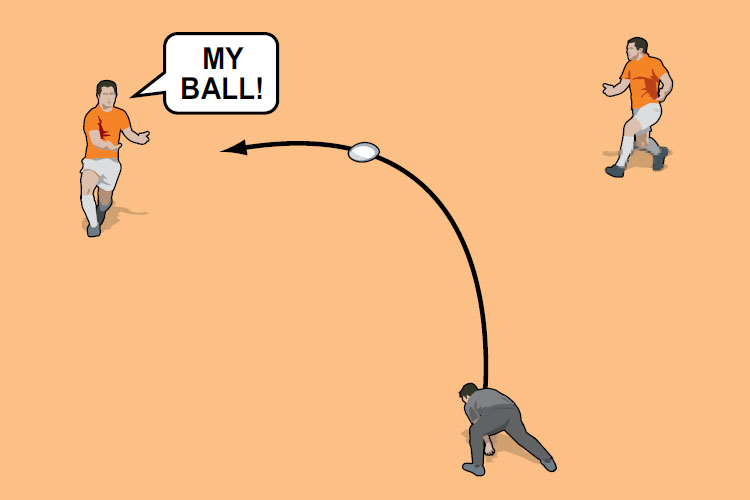
Development
- Ask that all “fielding” is done by jumping for the ball.
- Tell the players to catch the ball above their heads as a soccer goalkeeper would catch a cross.
- The kicking player follows his kick and is allowed to put pressure on the fielder.
- The fielding player must kick the ball back within three seconds.
Related Files
Game situation
Split your squad into two teams of eight. Use a pair of poles five metres apart to mark out each set of goalposts. Players can only run five metres with the ball and can only pass to each other using a kick. The defenders try to intercept or gather a loose kick. Scoring is achieved by kicking the ball between the two poles at the end of the pitch. The game is similar to Australian Rules football.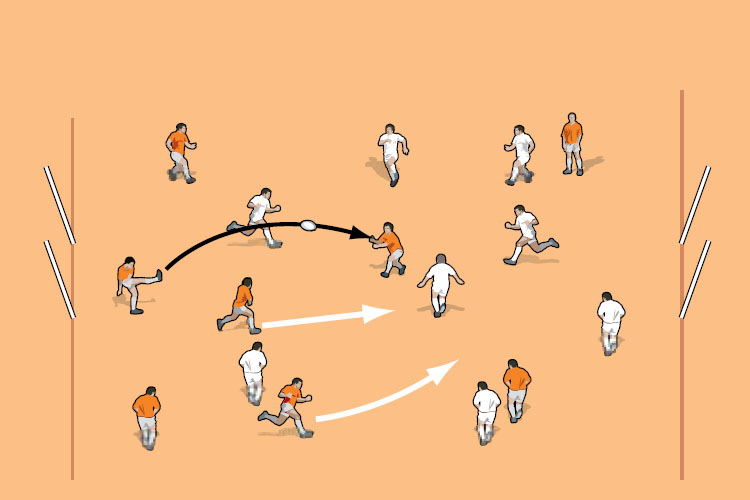
What to call out
- “Get under the ball early”
- “Turn your body sideways to protect yourself as you catch”
- “Move position after the catch”
- “Look for space and kick into it”

Dan Cottrell
Latest Issue

Subscribe Today
Subscribe Today
Newsletter Sign Up
Coaches Testimonials

Colin Shaw

Gary Lee Heavner
Subscribe Today
Latest Issue
Be a more effective, more successful rugby coach
In a recent survey 89% of subscribers said Rugby Coach Weekly makes them more confident, 91% said Rugby Coach Weekly makes them a more effective coach and 93% said Rugby Coach Weekly makes them more inspired.
Get Weekly Inspiration
All the latest techniques and approaches


Rugby Coach Weekly offers proven and easy to use rugby drills, coaching sessions, practice plans, small-sided games, warm-ups, training tips and advice.
We've been at the cutting edge of rugby coaching since we launched in 2005, creating resources for the grassroots youth coach, following best practice from around the world and insights from the professional game.
