
 close
close


 LOGIN
LOGINRugby Coach Weekly is the largest digital resource for youth coaches, trusted by 15,000+ coaches, teachers and parents every month.
-
Coach with confidence
-
Improve your teams faster
-
Run great sessions with less effort
- Expert coaching advice from TOP Coaches
- Training sessions for players from U6 to U17+.
Counter attack


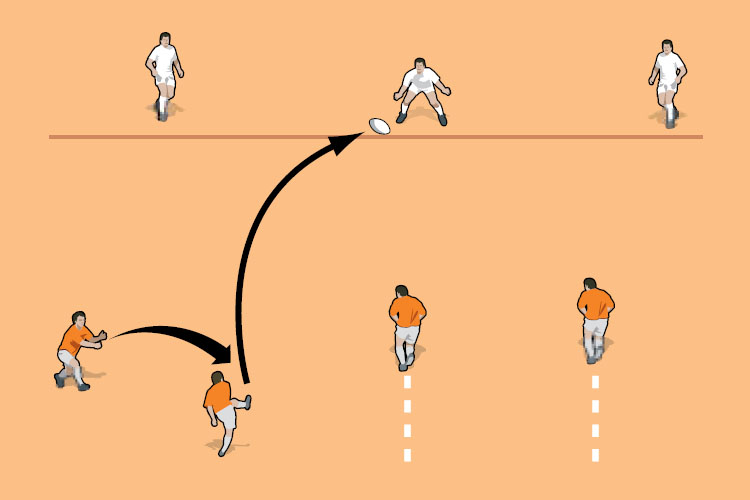
Counter attack is becoming a more common aspect of the game as teams refuse to kick for touch, but instead kicked for territory. This simple session helps the players discover ways to counter attack. It should be a standard session for every season.
Warm up time: 7-10
Session time: 10-15
Development time: 10-15
Game time: 10-15
Warm down time: 7-10
What to think about
- Are the players calling and moving to catch the ball?With players who are unused to fielding kicks, practice with you, as the coach, kicking or throwing a ball for them to catch. Once this is achieved make them move to catch the ball. Finally add a shout from the player telling the others it’s his ball.
- Is the catcher summing up the situation after fielding the ball and making the right decision?Put the catcher in a number of scenarios – catching with plenty of time and catching under a lot of pressure, ensuring support players also read the situation. They must help him make the right decision by moving and talking to him before he catches the ball.
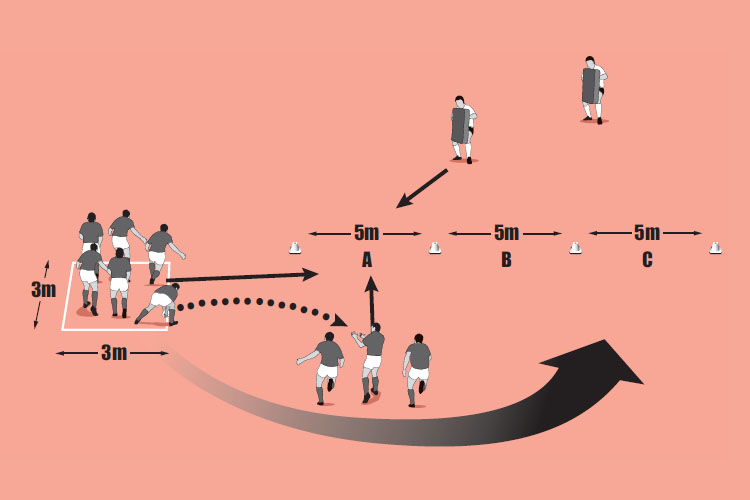
set-up
- Call for the ball early and move quickly to catch it before it hits the ground.
- If not involved in the catch, move into a position to collect any dropped balls or to take a pass from the fielding player.
- Once the ball is caught sum up the situation, then react – run, pass or do both.
- As support players, take the initial pass on the run and go forward.
What you get your players to do
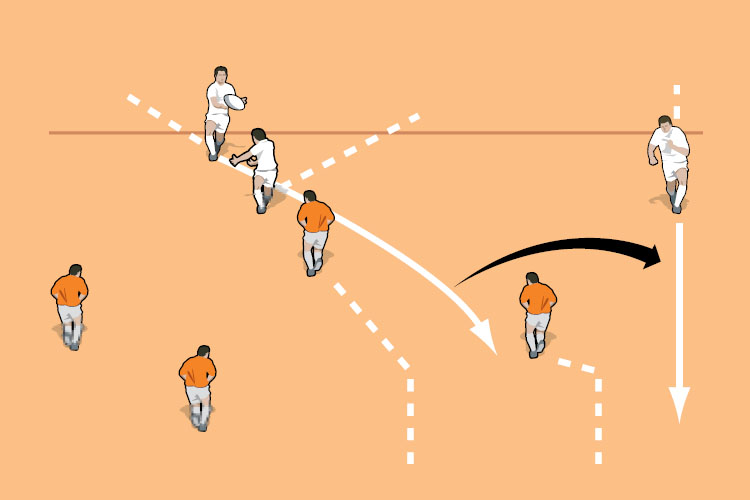
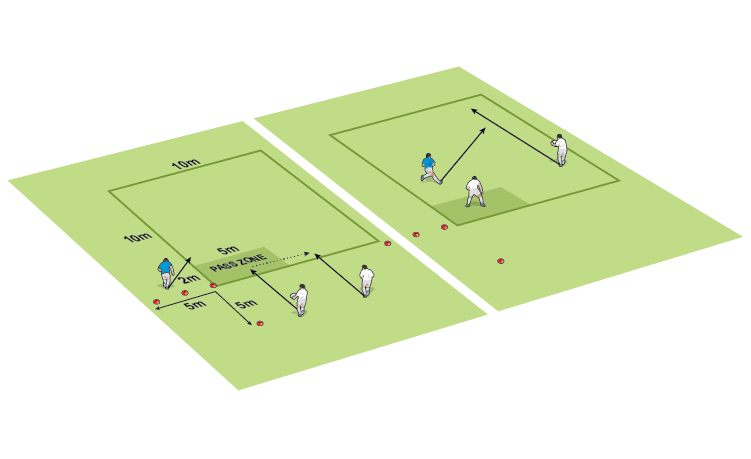
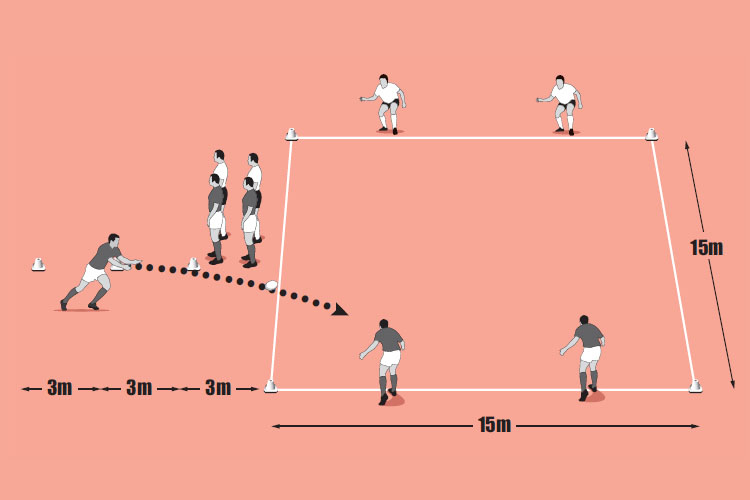
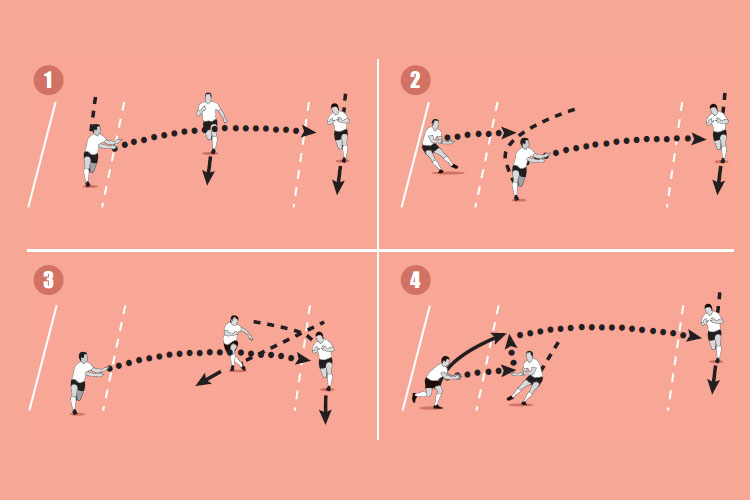
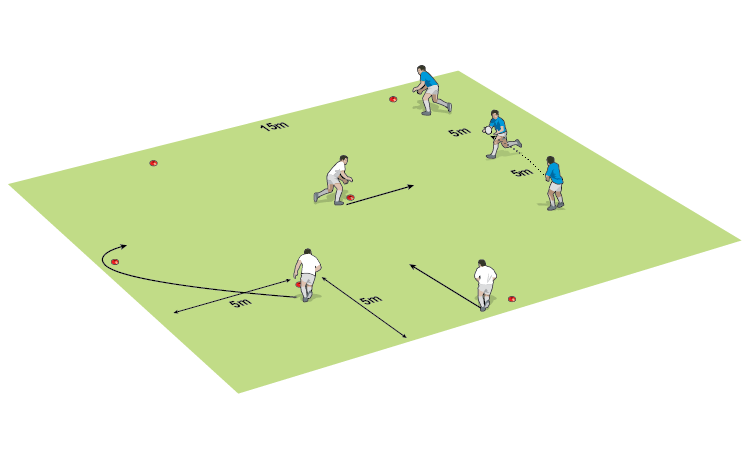
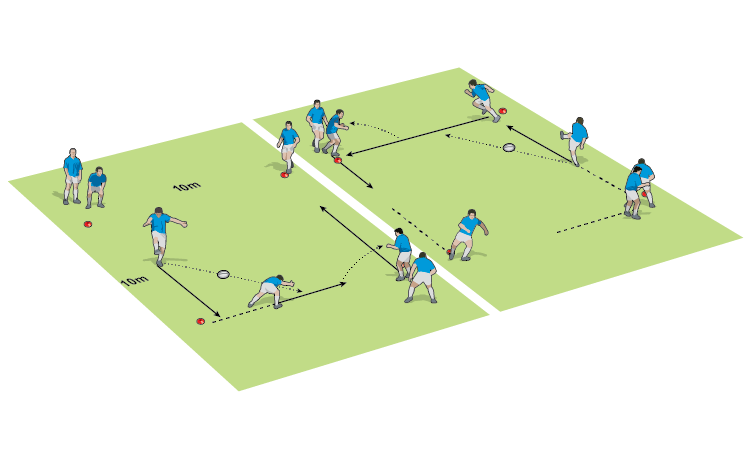
Split your players into groups of three defenders and three counter attackers. A clearing passer makes the first pass to a player who kicks the ball to one of the three opponents facing him. Meanwhile the kicker’s two team mates chase the kick. The three counter attackers have to field the ball then attack back against the two defenders chasing the kick. A variety of individual and collective techniques and skills can be used to beat the two chasing defenders.Development
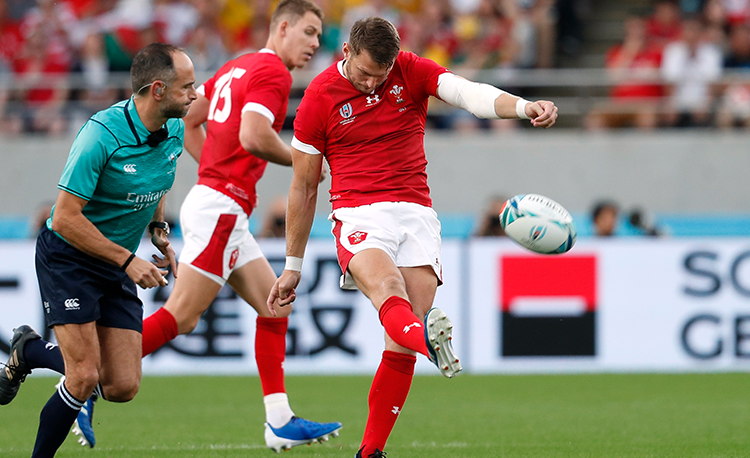
- Ask the kicker to use a variety of kicks – a punt, long grubber, up and under – so the ball lands on top of the catchers, in front or behind them.
- Allow the counter attackers to use a kick in their tactics for attacking back.
Related Files
Game situation
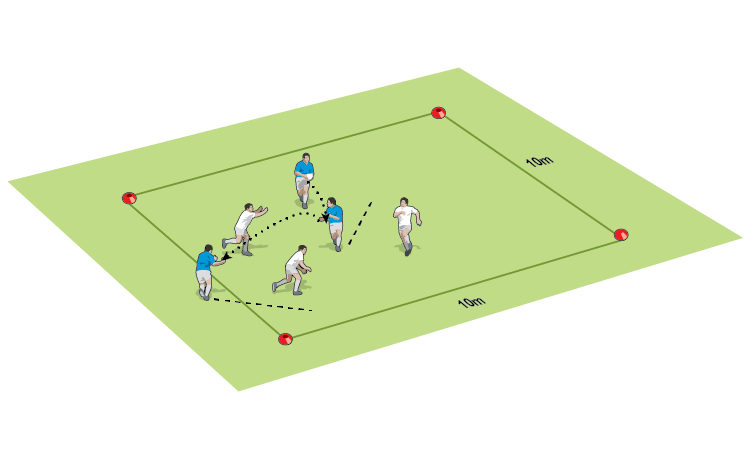
Begin by playing 6 v 6, with a double layer of three players in each team. The front three are the kickers and chasers, the back three are the fielders and counter attackers. The game starts with one team kicking to the back three of the opposition and chasing the kick. The back three field it and counter attack with the support of their front three, who drop back making it a 6 v 3. When they counter attack back to the half way line they must kick to their opponent’s back three and so the game continues.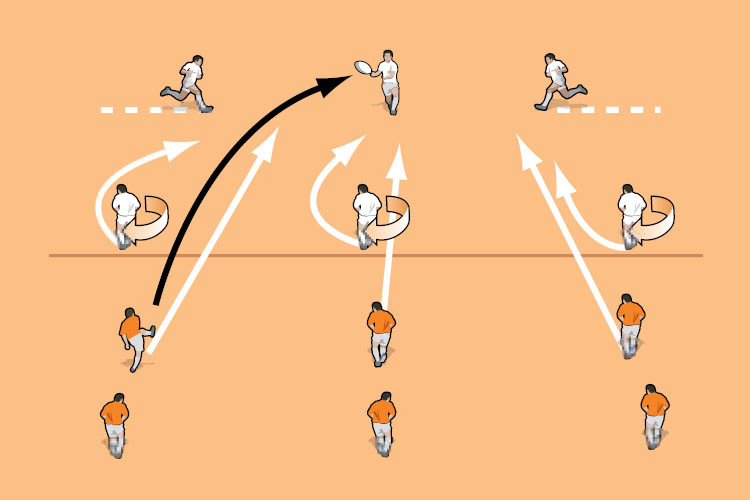
What to call out
- “Look at the ball as it is kicked and react”
- “Turn your body sideways as you catch”
- “If under pressure jump and catch”
- “Support from depth and run at the space”

Dan Cottrell
Latest Issue

Subscribe Today
Subscribe Today
Newsletter Sign Up
Coaches Testimonials

Colin Shaw

Gary Lee Heavner
Subscribe Today
Latest Issue
Be a more effective, more successful rugby coach
In a recent survey 89% of subscribers said Rugby Coach Weekly makes them more confident, 91% said Rugby Coach Weekly makes them a more effective coach and 93% said Rugby Coach Weekly makes them more inspired.
Get Weekly Inspiration
All the latest techniques and approaches


Rugby Coach Weekly offers proven and easy to use rugby drills, coaching sessions, practice plans, small-sided games, warm-ups, training tips and advice.
We've been at the cutting edge of rugby coaching since we launched in 2005, creating resources for the grassroots youth coach, following best practice from around the world and insights from the professional game.
