
 close
close


 LOGIN
LOGINClearance kicks
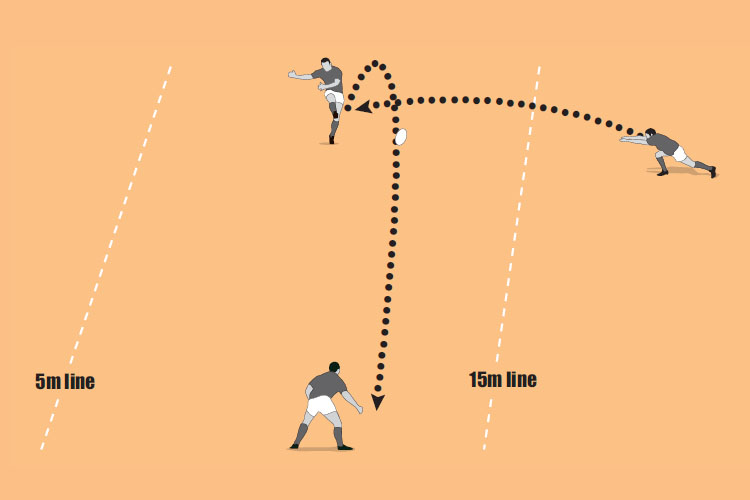
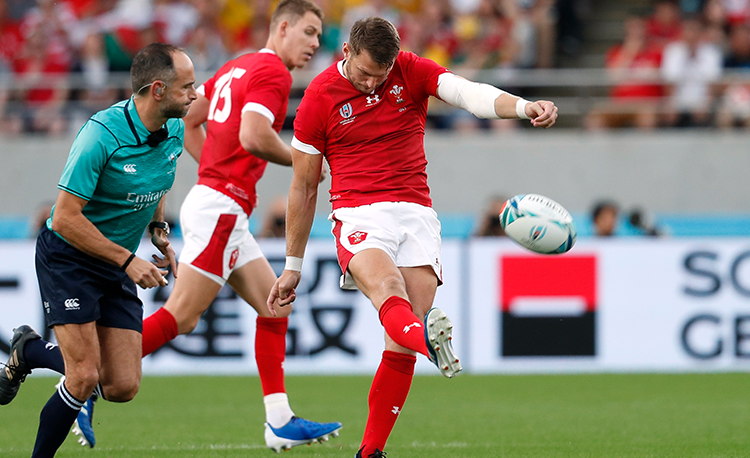
A kick out of the 22 is known as a “clearance kick”. It does not have to go into touch but does need to take the ball as far up the pitch as possible. In this session, the kick will come after a pass, so the kicker needs to learn how to receive the ball, adjust and kick, sometimes in only a few strides. The session aims to increase the confidence of kickers to make long, accurate kicks.
Warm up time: 5-7
Session time: 8-10
Development time: 10-15
Game time: 10-15
Warm down time: 5-8
What to think about
The kicker can use either a drop punt (an end-over-end kick) or a spiral kick. Whichever he chooses, he must ensure he uses a repeatable style because he will know how to angle his body to kick towards the area required. Normally, the kick needs to go at right angles to the line of the shoulders. This will happen if the ball is dropped down the middle line of the body, so the kicking foot follows through to the target. However, in training, under pressure, the kicker will have to manoeuvre himself into a position to kick quickly. The closer he can come to his repeatable action the better. He must understand the key points and be able to correct himself when the ball does not go to its intended target.set-up
- Take the pass and get the ball to the middle of your body as you check the target area.
- Drop the ball onto your kicking foot and kick through to the target without looking up.
What you get your players to do
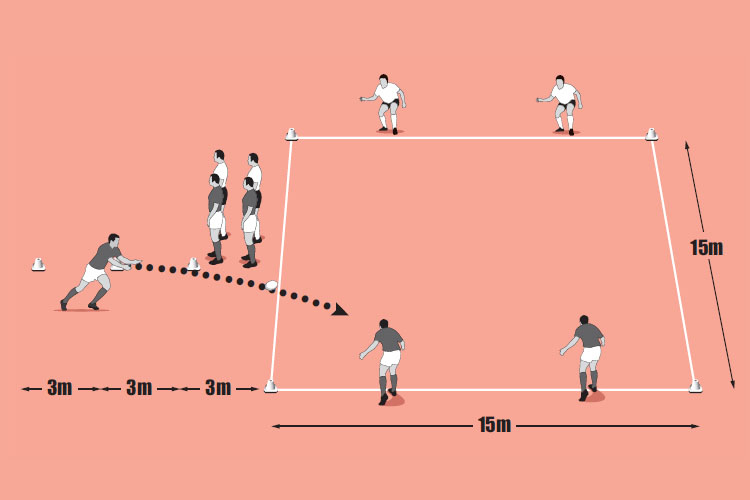
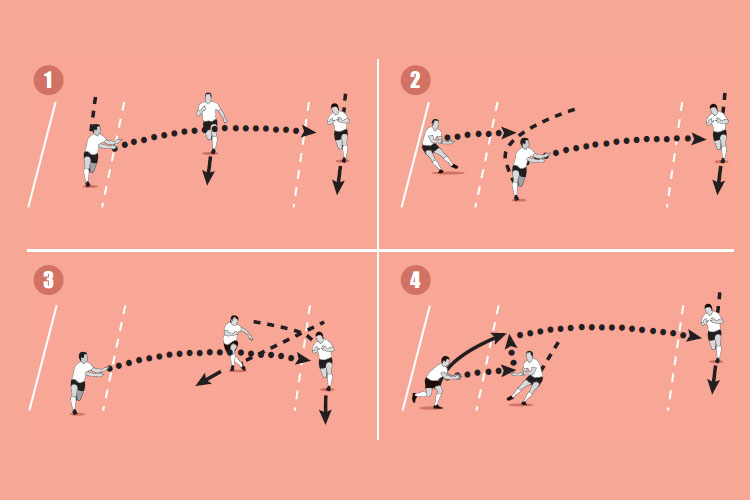
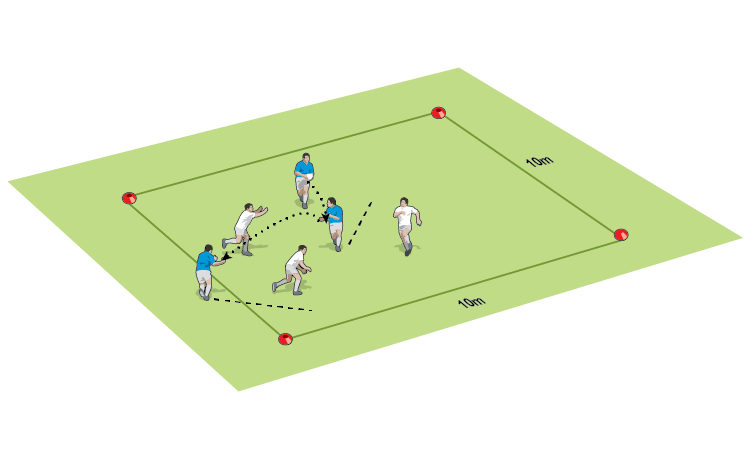
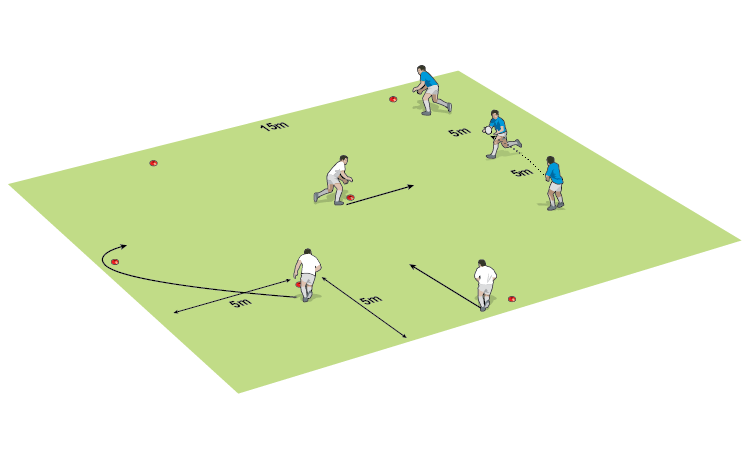
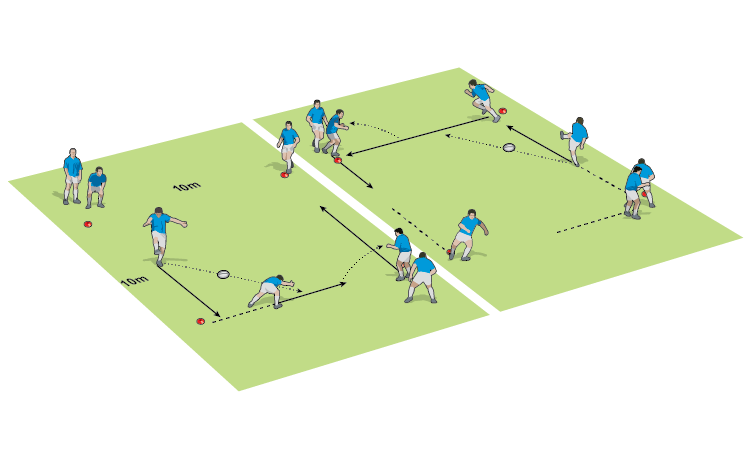
Put a kicker inside the 5m and 15m lines. A feeder passes the ball to the kicker who has to kick it so it lands inside the two lines (see picture 1). Get a player at the far end to gather the ball and return it. Swap kickers and feeders and work on the ball coming from both the left and right sides.Be a more effective, more successful youth rugby coach
- Win more games, without sacrificing the crucial element of fun
- Develop every player, regardless of vast differences in ability
- Run a respected, professional programme - even with a full-time job and limited time
Subscribe for full access
Or register and unlock 2 free articles,
receive our weekly newsletter, and
get a FREE coaching e-book.
Or if you are already a subscriber login for full access.

Dan Cottrell
Latest Issue

Subscribe Today
Subscribe Today
Newsletter Sign Up
Coaches Testimonials

Colin Shaw

Gary Lee Heavner
Subscribe Today
Latest Issue
Be a more effective, more successful rugby coach
In a recent survey 89% of subscribers said Rugby Coach Weekly makes them more confident, 91% said Rugby Coach Weekly makes them a more effective coach and 93% said Rugby Coach Weekly makes them more inspired.
Get Weekly Inspiration
All the latest techniques and approaches


Rugby Coach Weekly offers proven and easy to use rugby drills, coaching sessions, practice plans, small-sided games, warm-ups, training tips and advice.
We've been at the cutting edge of rugby coaching since we launched in 2005, creating resources for the grassroots youth coach, following best practice from around the world and insights from the professional game.
