
 close
close


 LOGIN
LOGINCatching the kick off
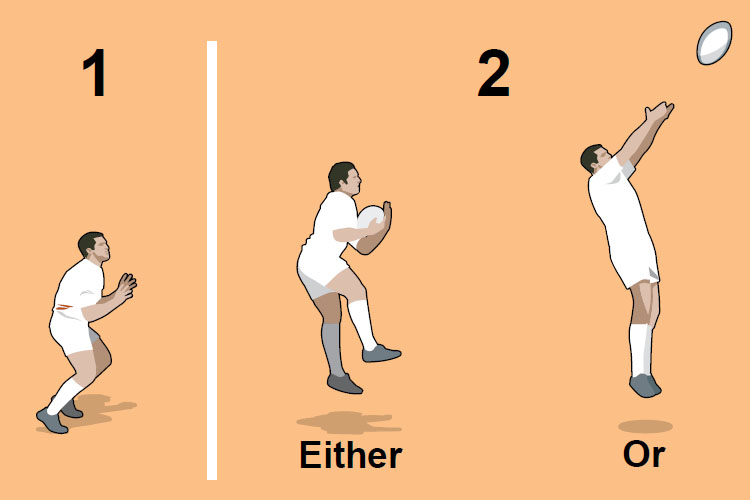
A clean catch from the kick off can be a defining moment in the game. Whether it’s at the start of the half or after a score, it can have a massive psychological effect on the team. Your catchers, most likely the forwards, need to practise receiving a kick off under pressure and in the air.
Warm up time: 5
Session time: 5-8
Development time: 6-9
Game time: 15-20
Warm down time: 7
What to think about
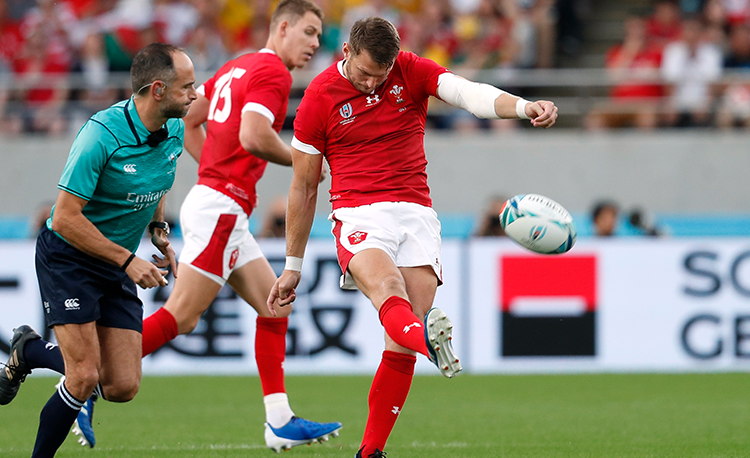
Good drop kickers are few and far between. This has two consequences for your kick-off training:- It is best to start by throwing the ball to the receivers to give them more chance to practise rather than race after the ball. Or you could have a player punt the ball for greater accuracy (i.e. kick the ball on its point).
- In the final stages of the practice, revert to proper drop kicks. It is good practice for the drop kickers. It also recreates the match-like unpredictability of where the ball may end up.
set-up
- Move towards the ball with your hands in at shoulder height.
- Jump, if you can, to receive the ball, turning slightly in the air.
- Land with a wide stance and wait for support to either bind on to you or for you to pass it away.
What you get your players to do
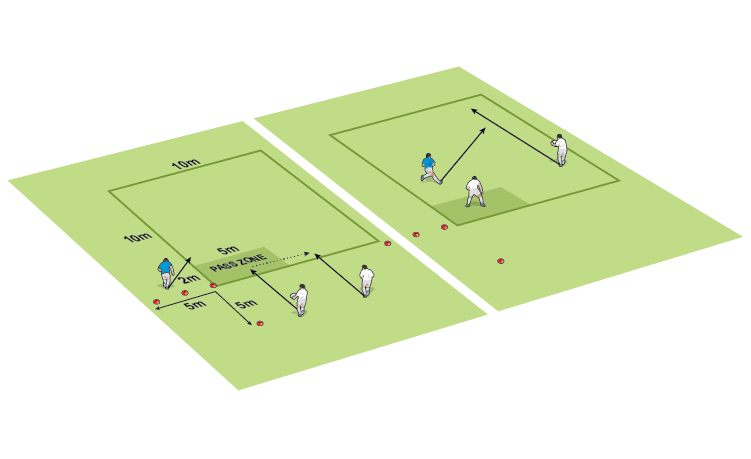
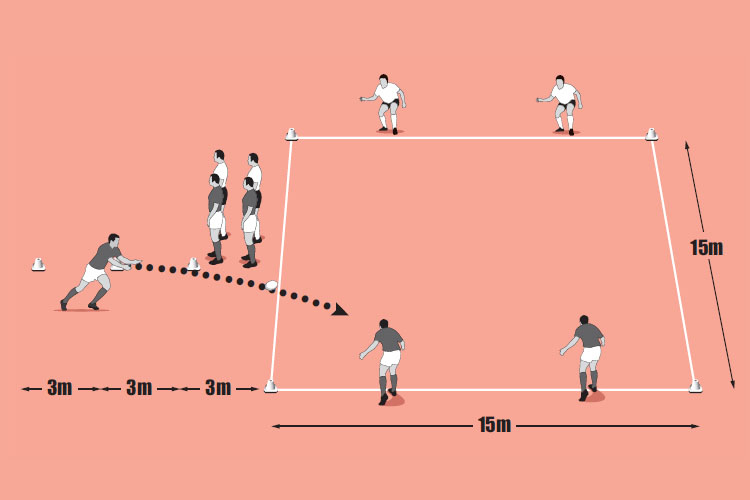
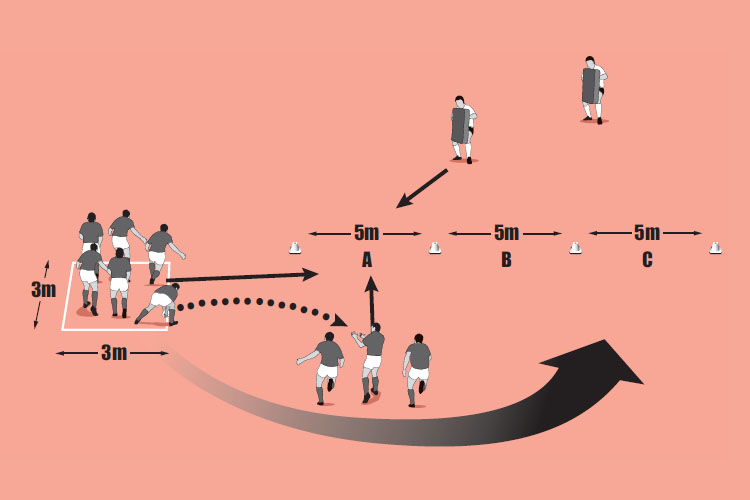
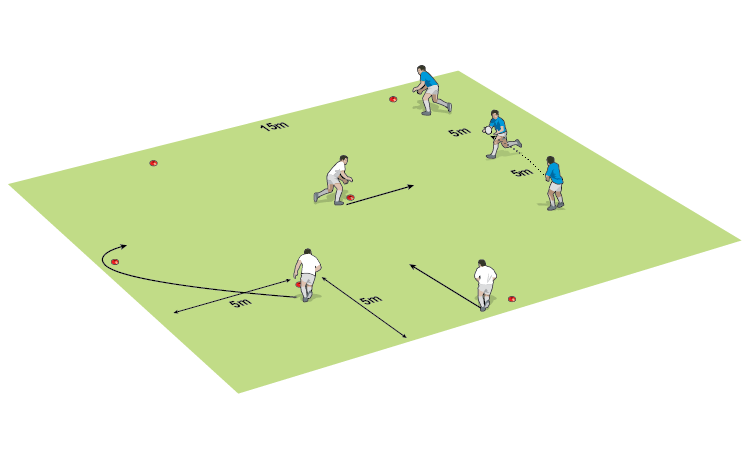
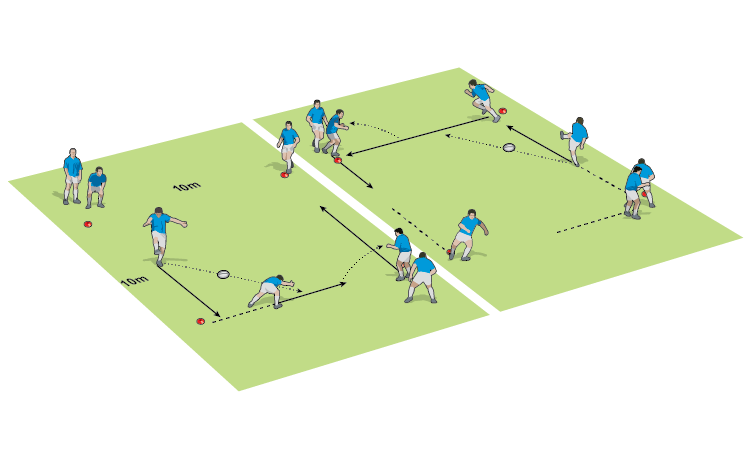
Warm up by throwing high balls to the catcher. You can do this in pairs. Check for technique. Put a catcher at the end of the box. One player throws the ball into the box from about 10m away and another player (the chaser) runs into the box to pressurise the catcher. To start with, have the chaser jog into the box. Then increase his speed. Allow him to challenge for the ball in the air, but not touch the catcher. Finally, make the situation full contact. Rotate the receivers and chasers before each development.Be a more effective, more successful youth rugby coach
- Win more games, without sacrificing the crucial element of fun
- Develop every player, regardless of vast differences in ability
- Run a respected, professional programme - even with a full-time job and limited time
Subscribe for full access
Or register and unlock 2 free articles,
receive our weekly newsletter, and
get a FREE coaching e-book.
Or if you are already a subscriber login for full access.

Dan Cottrell

Latest Issue

Subscribe Today
Subscribe Today
Newsletter Sign Up

Coaches Testimonials

Colin Shaw

Gary Lee Heavner
Subscribe Today
Latest Issue
Be a more effective, more successful rugby coach
In a recent survey 89% of subscribers said Rugby Coach Weekly makes them more confident, 91% said Rugby Coach Weekly makes them a more effective coach and 93% said Rugby Coach Weekly makes them more inspired.
Get Weekly Inspiration
All the latest techniques and approaches


Rugby Coach Weekly offers proven and easy to use rugby drills, coaching sessions, practice plans, small-sided games, warm-ups, training tips and advice.
We've been at the cutting edge of rugby coaching since we launched in 2005, creating resources for the grassroots youth coach, following best practice from around the world and insights from the professional game.
