
 close
close


 LOGIN
LOGINBall placement
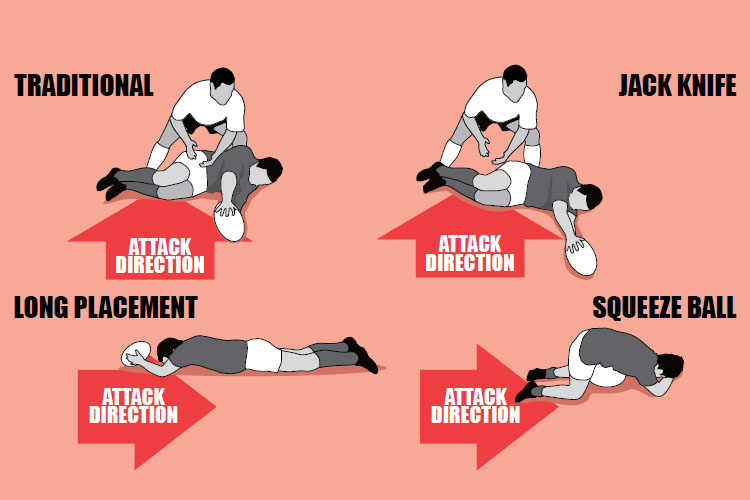
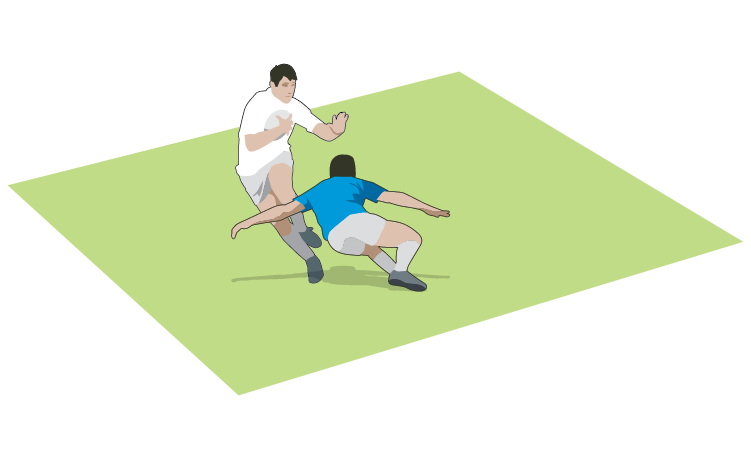
One sign of a well coached team is the quality of the ball placement after the tackle. These vital moments can give you the best chance for recovery and continuity. Your players need to use a variety of styles of placement, depending on the type of contact they take.
Warm up time: 5-7
Session time: 5-10
Development time: 8-12
Game time: 15-20
Warm down time: 5-7
What to think about
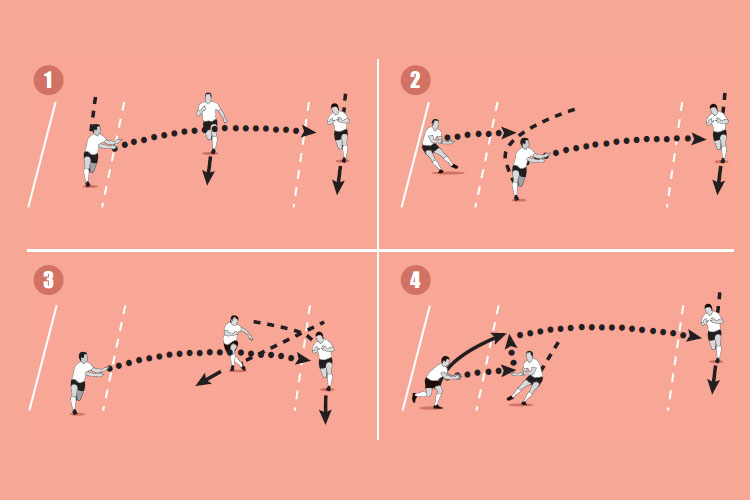
There are five placement techniques.- Traditional: The ball carrier places the ball back from the tackled position. He can either keep the ball close to his body or at an arm’s length.
- Jack knife: The tackled player thrusts his upper body back towards his own team.
- Long placement: The tackled player lies prone with his feet towards the opposition.
- Squeezeball: The tackled player rests on his knees and posts the ball through his legs.
- 360s: The ball carrier rolls in the tackle before placing the ball.
set-up
- Fight to the ground when you are tackled, to give yourself the upper hand in the tackle situation.
- Use the ball placement technique that secures the ball first for your team and then provides the best ball to play with.
What you get your players to do
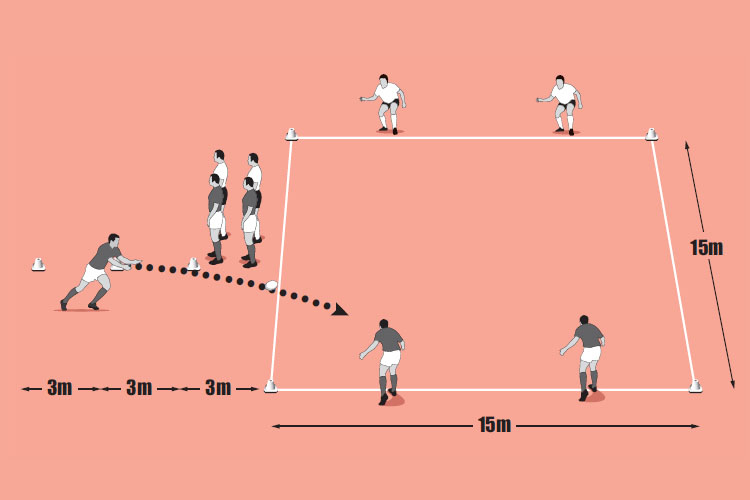
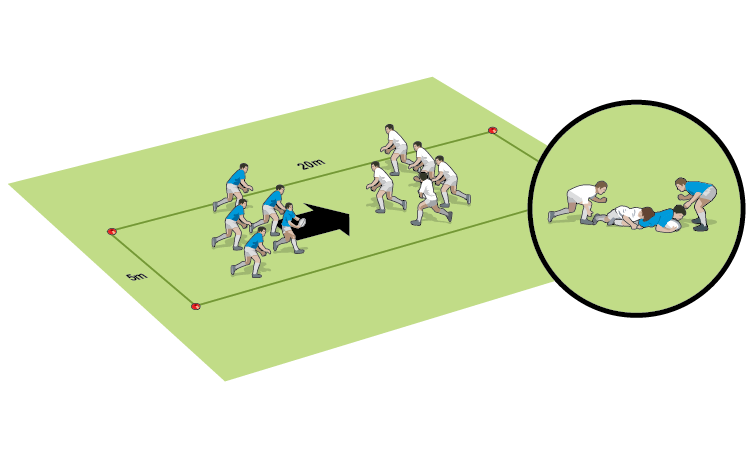
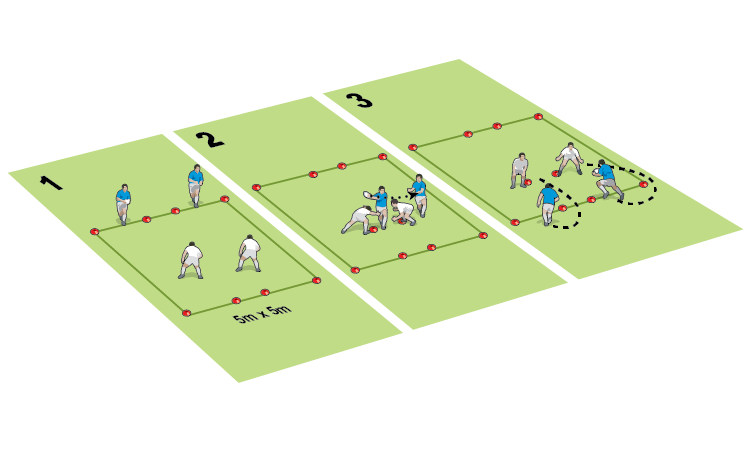
Split into groups of three with a ball. Nominate a type of placement. Have the ball carrier run into another player. He drops to the ground and places the ball. Rotate the players and the types of placement Also, change the height of the tackles, using ruck pads and tackle suits to act as different stimulus. Finally, have the third player act as support to drive off or over the tackler.Be a more effective, more successful youth rugby coach
- Win more games, without sacrificing the crucial element of fun
- Develop every player, regardless of vast differences in ability
- Run a respected, professional programme - even with a full-time job and limited time
Subscribe for full access
Or register and unlock 2 free articles,
receive our weekly newsletter, and
get a FREE coaching e-book.
Or if you are already a subscriber login for full access.

Dan Cottrell
Latest Issue
Subscribe Today
Subscribe Today
Newsletter Sign Up

Coaches Testimonials

Colin Shaw

Gary Lee Heavner
Subscribe Today
Latest Issue
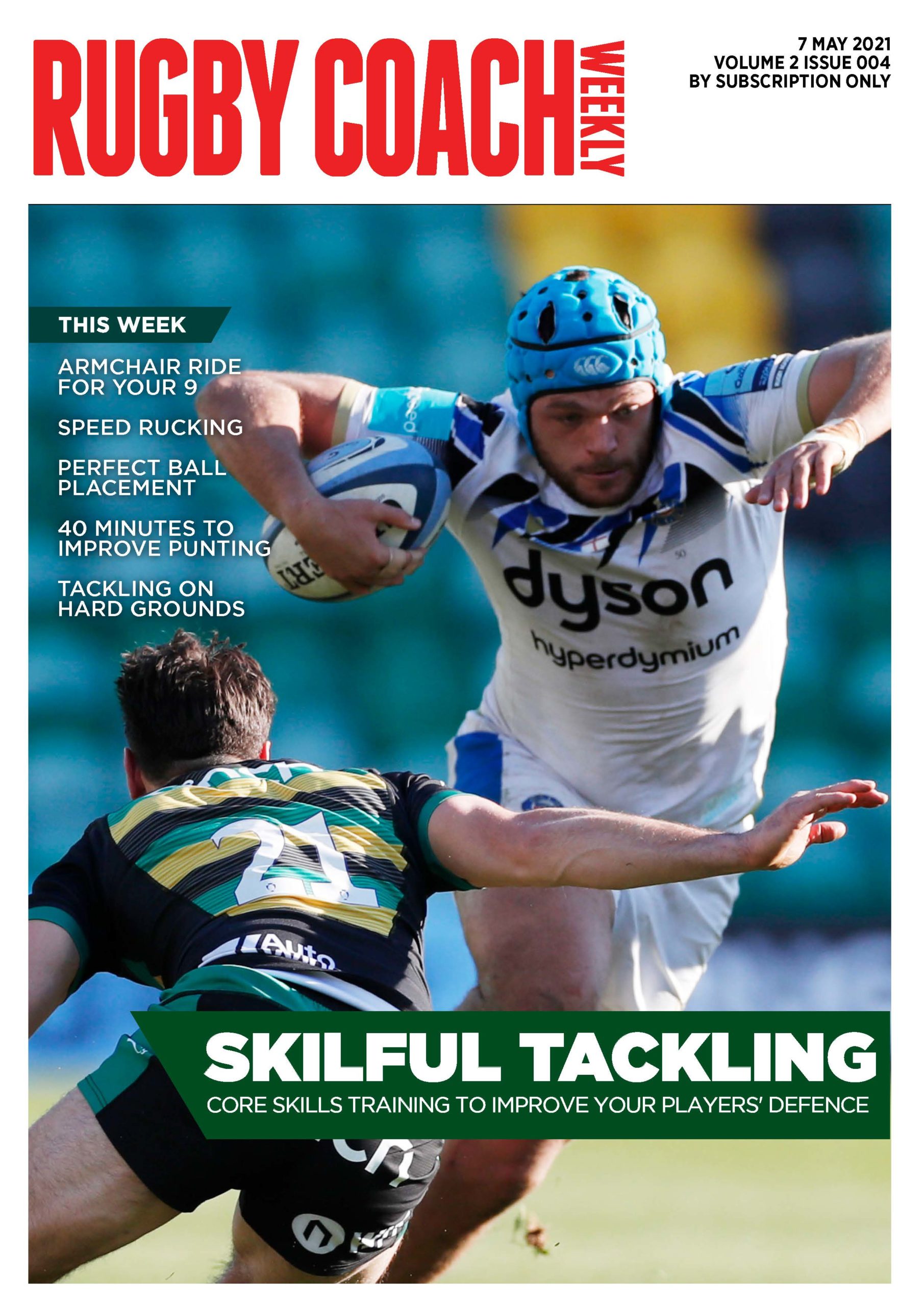
Be a more effective, more successful rugby coach
In a recent survey 89% of subscribers said Rugby Coach Weekly makes them more confident, 91% said Rugby Coach Weekly makes them a more effective coach and 93% said Rugby Coach Weekly makes them more inspired.
Get Weekly Inspiration
All the latest techniques and approaches


Rugby Coach Weekly offers proven and easy to use rugby drills, coaching sessions, practice plans, small-sided games, warm-ups, training tips and advice.
We've been at the cutting edge of rugby coaching since we launched in 2005, creating resources for the grassroots youth coach, following best practice from around the world and insights from the professional game.
